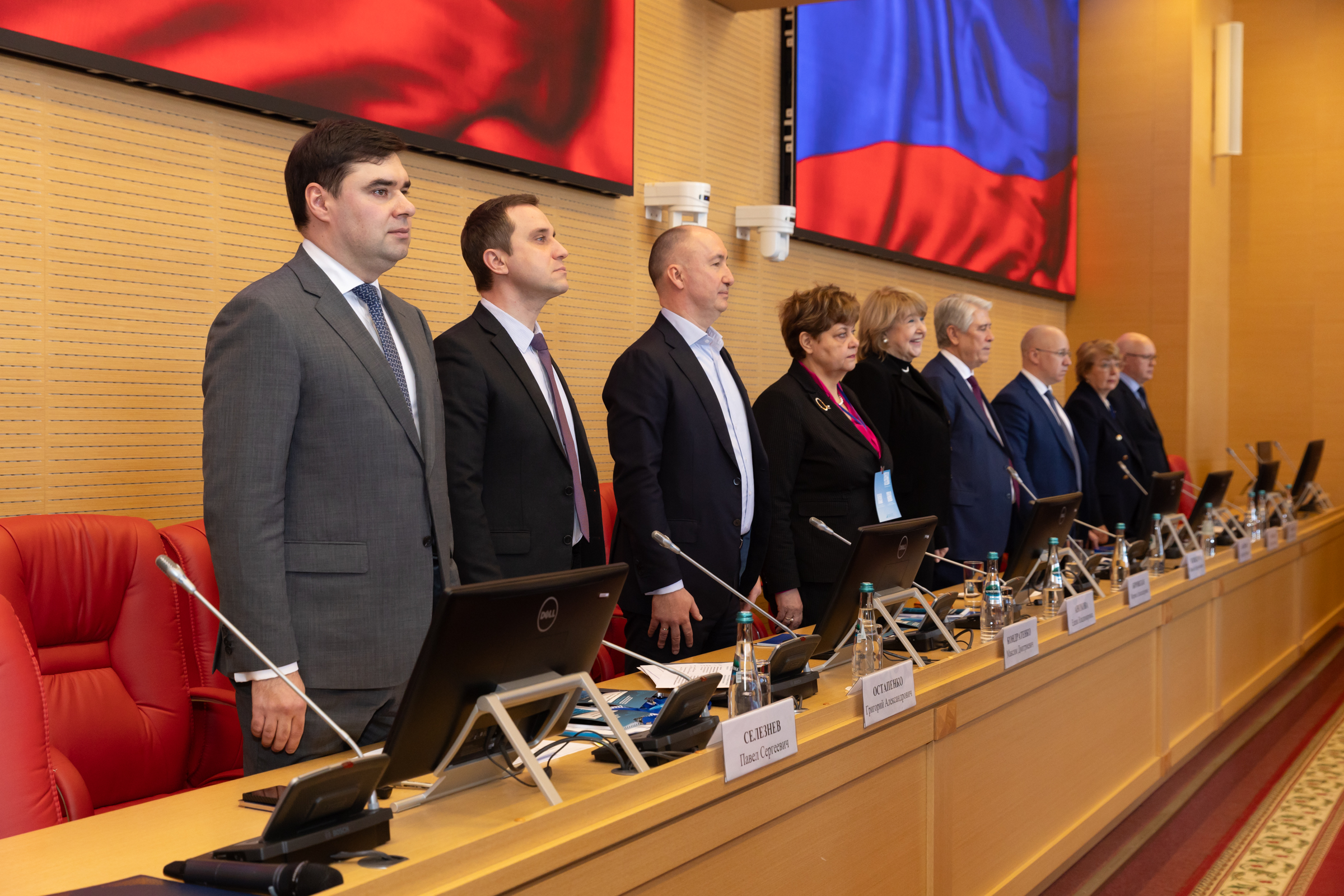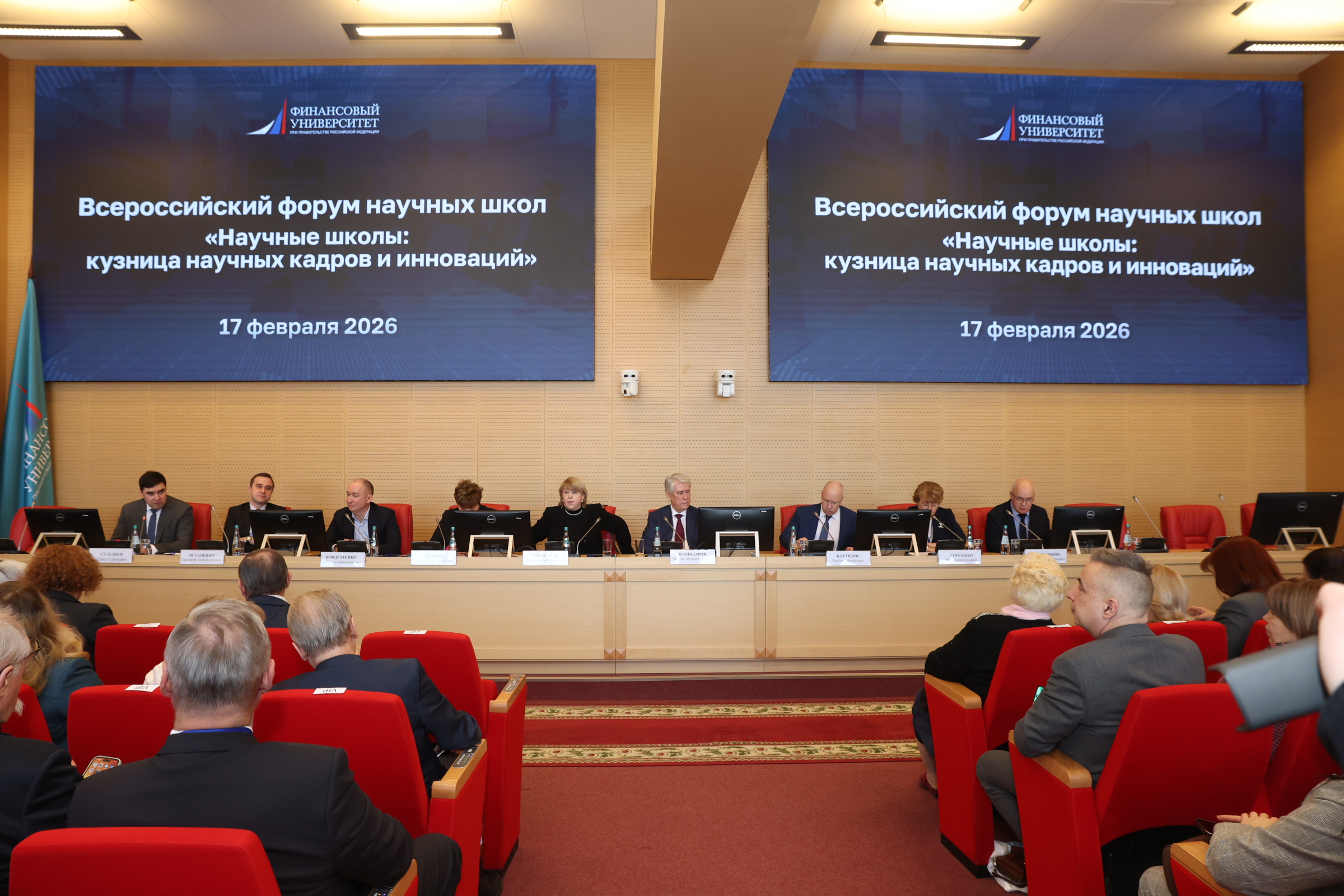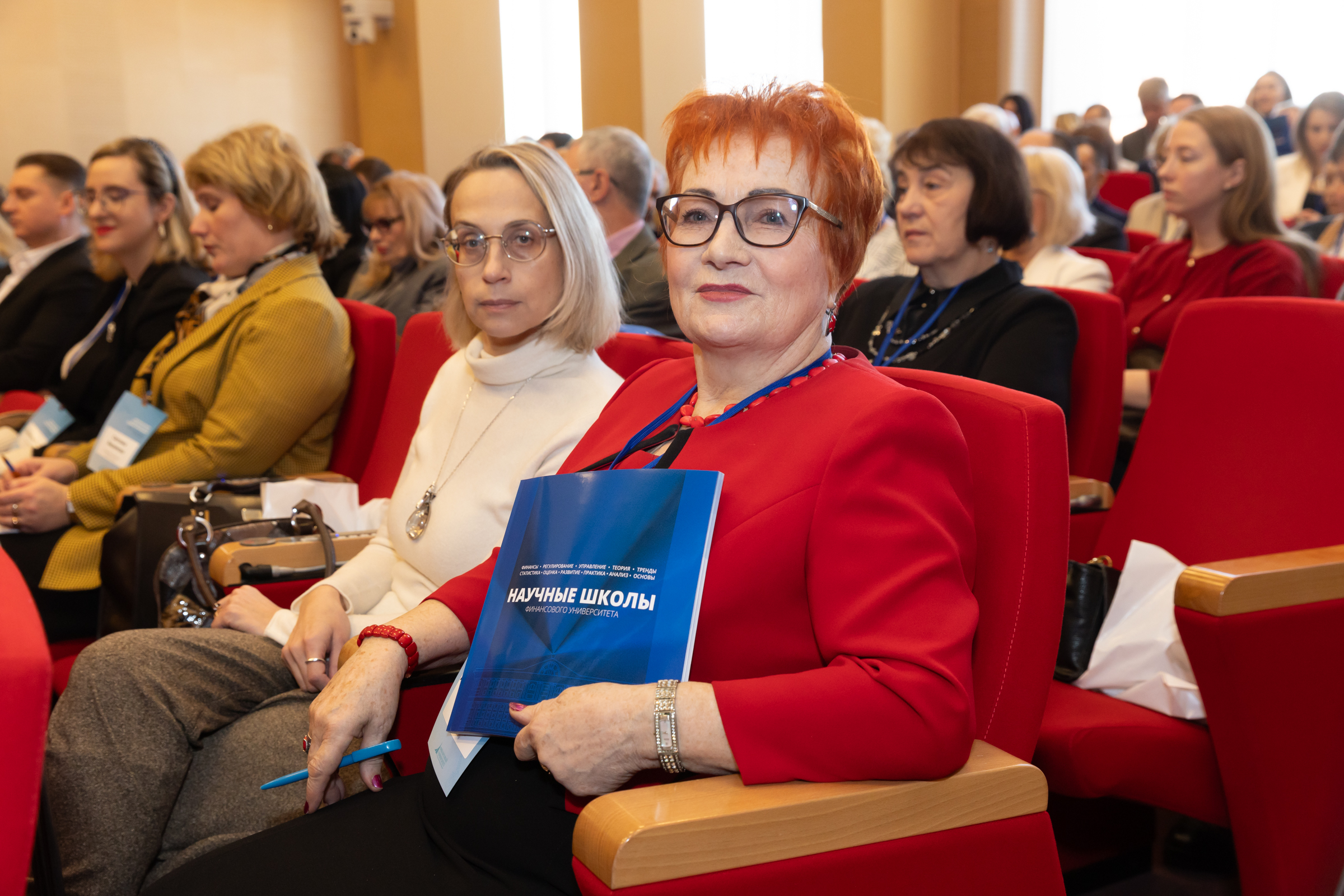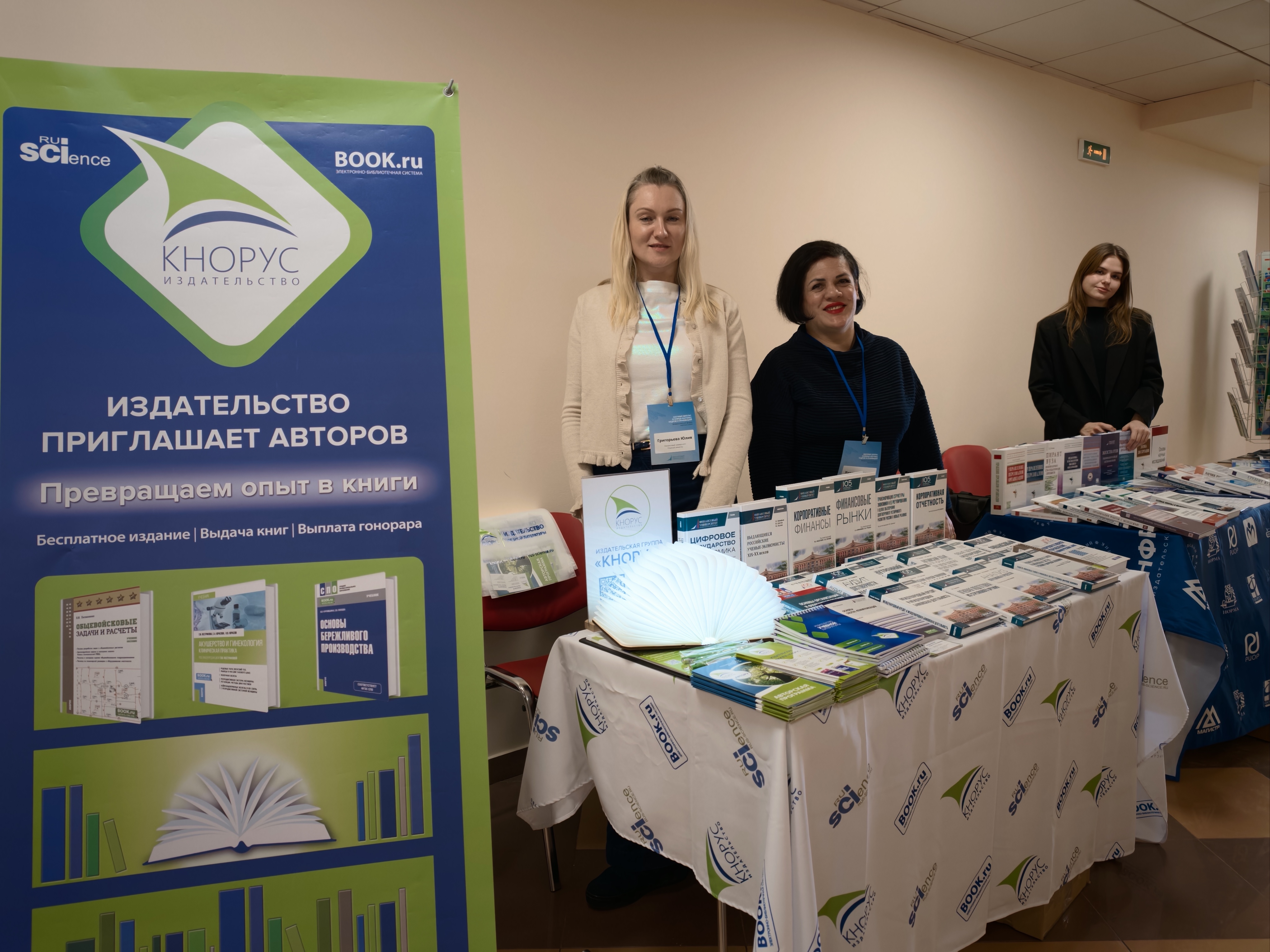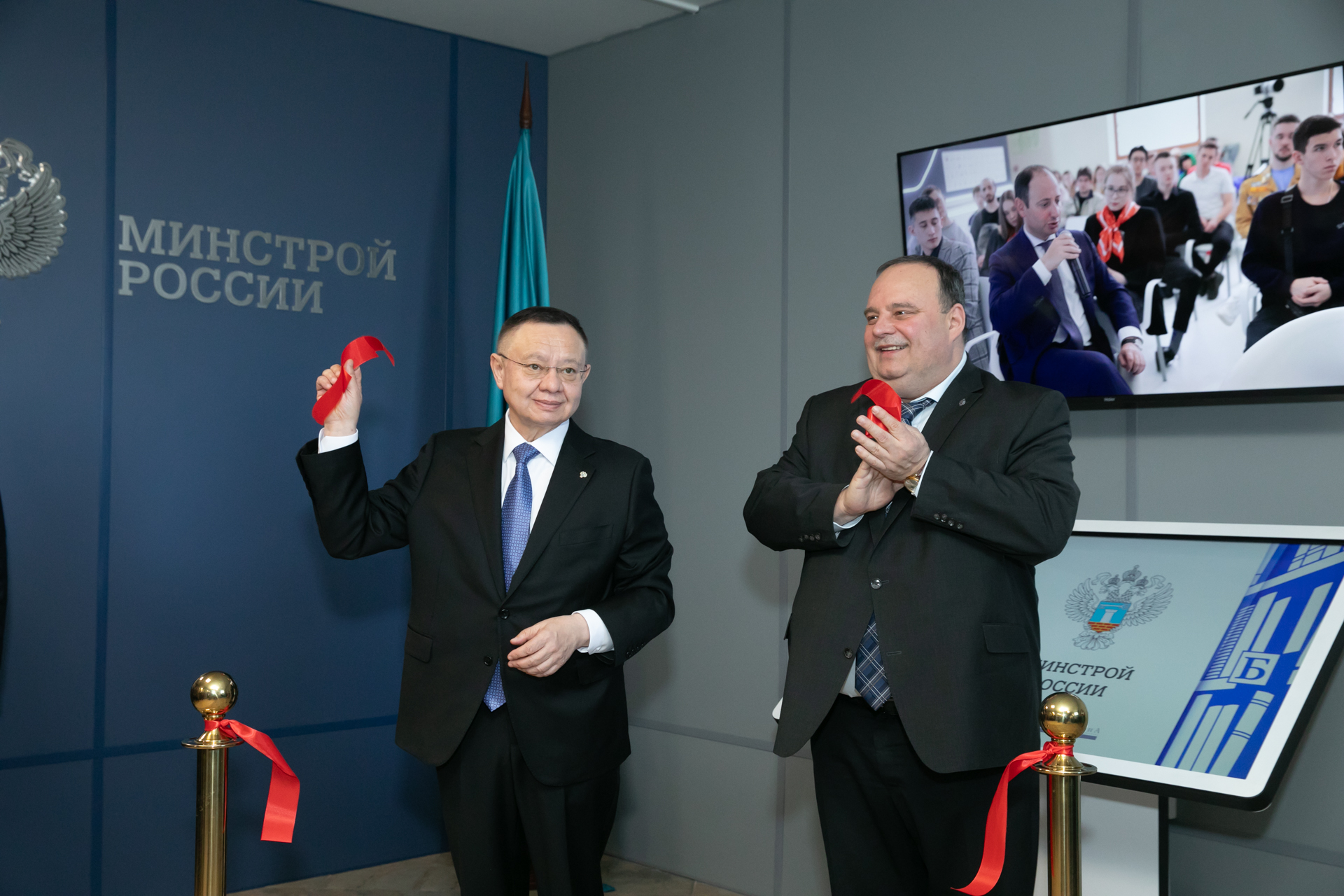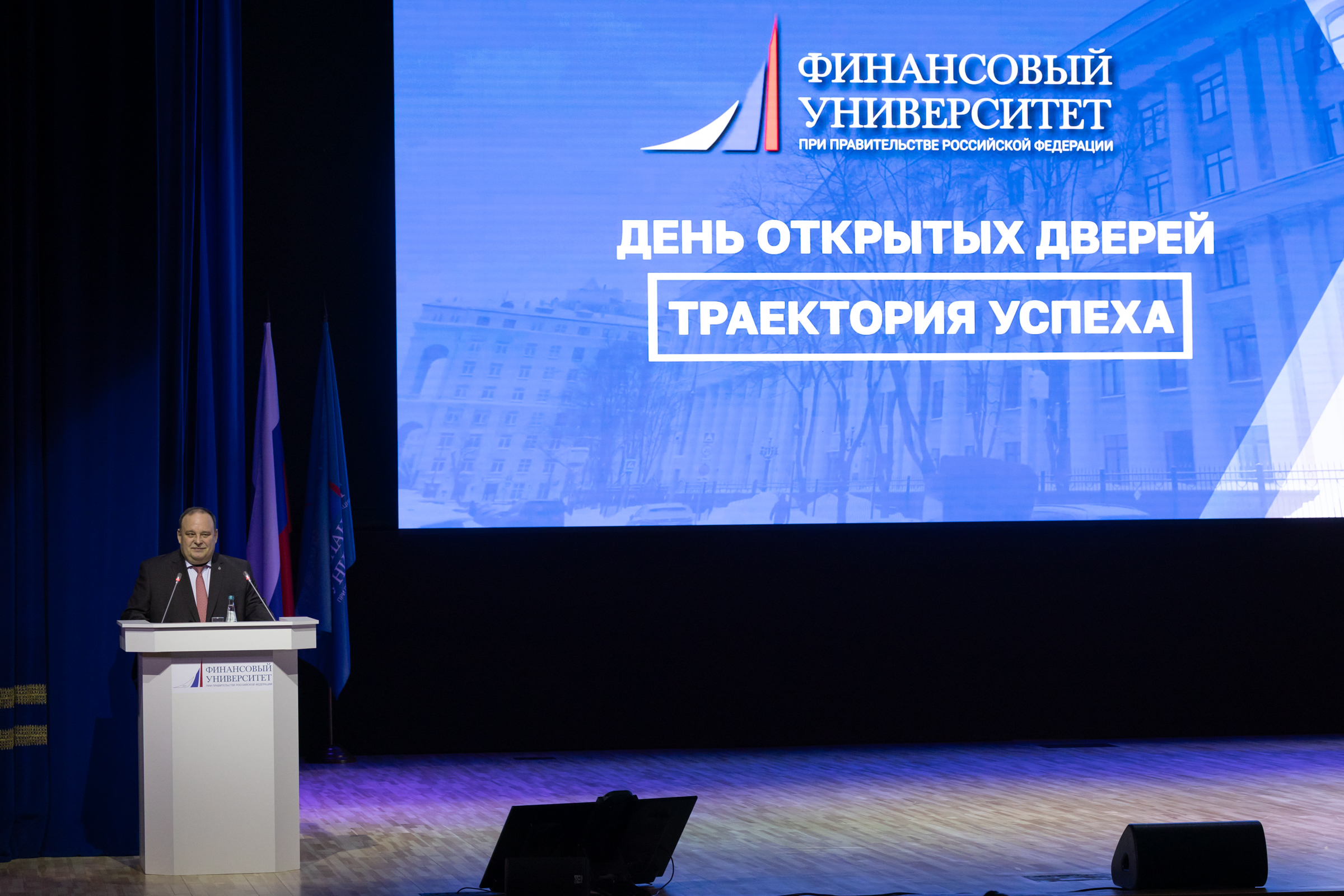
On February 17, 2026, Financial University hosted I All-Russian Forum of Scientific Schools titled “Scientific Schools: The Forge of Research Talent and Innovation.” The event brought together representatives of Russia’s academic scientific community to discuss the role of scientific schools in the development of higher education and the country’s economy.
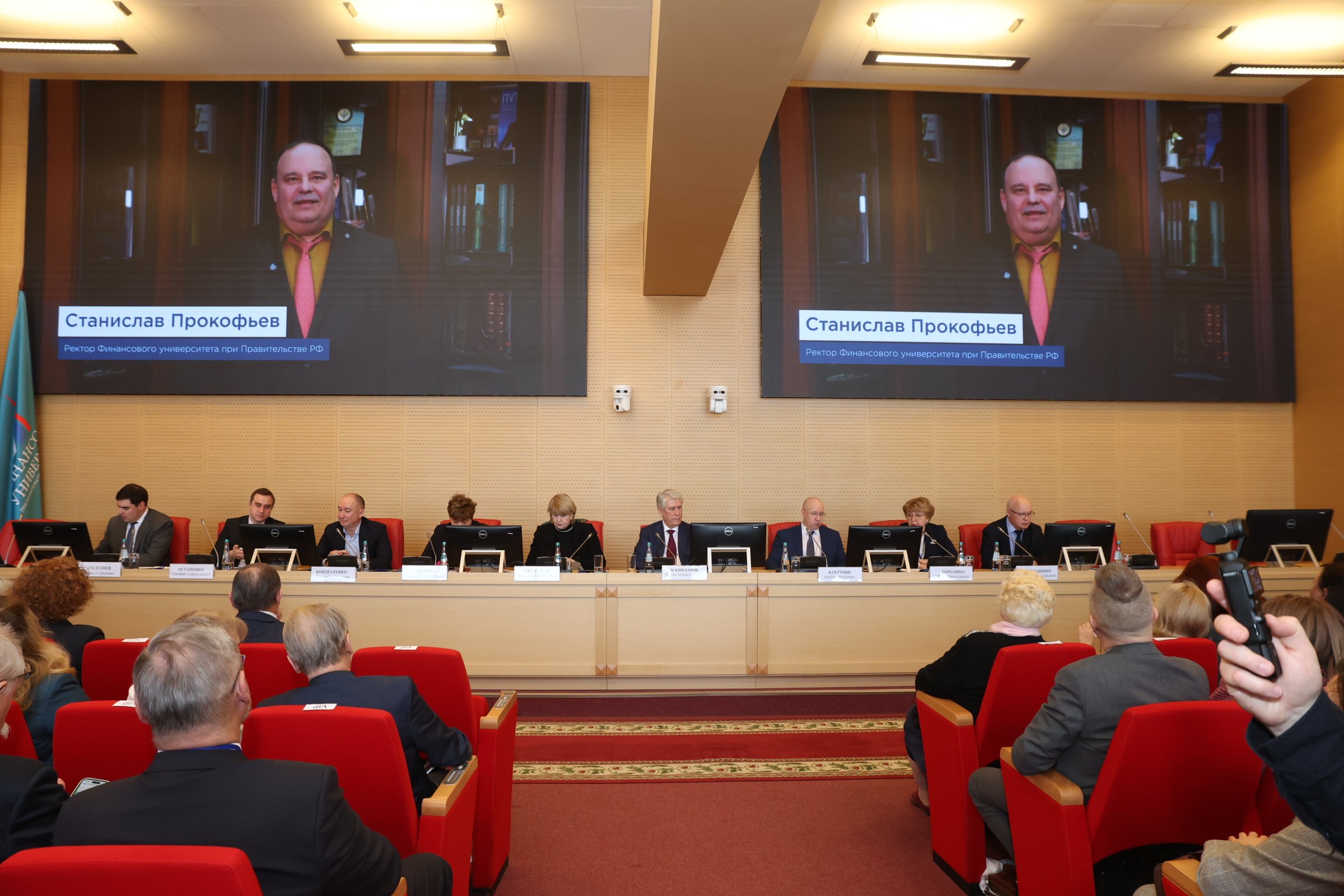
The forum was opened by the Rector of Financial University, Stanislav Prokofiev, who stated:
“The goal of this forum is to consolidate efforts and foster collaboration among scientific leaders. It is a reflection on the current state and future prospects of scientific schools, expanding their scope and developing new directions within each school. Achieving qualitative breakthroughs and entering the top 10 global economies in terms of research output is impossible without a strong scientific foundation.
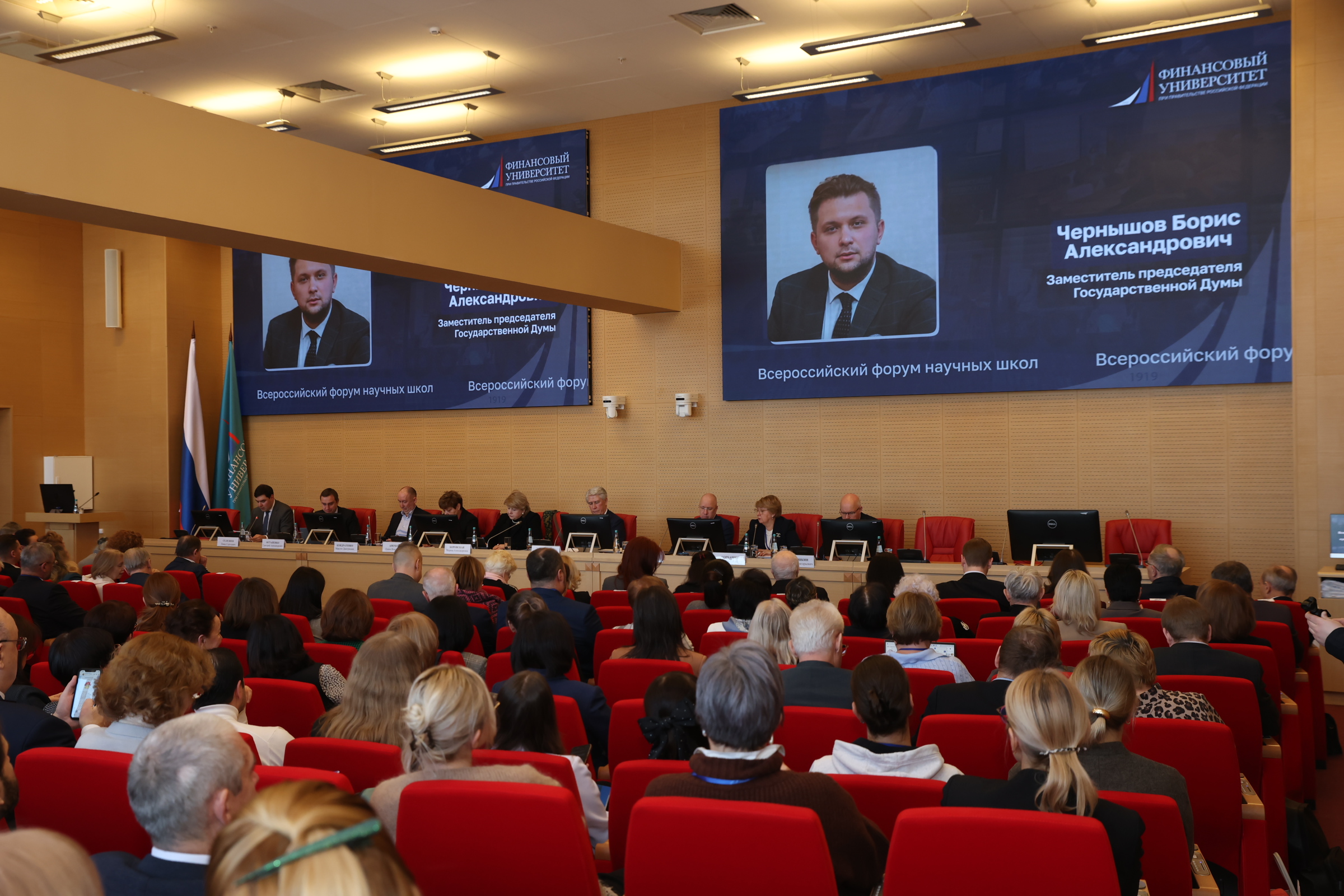
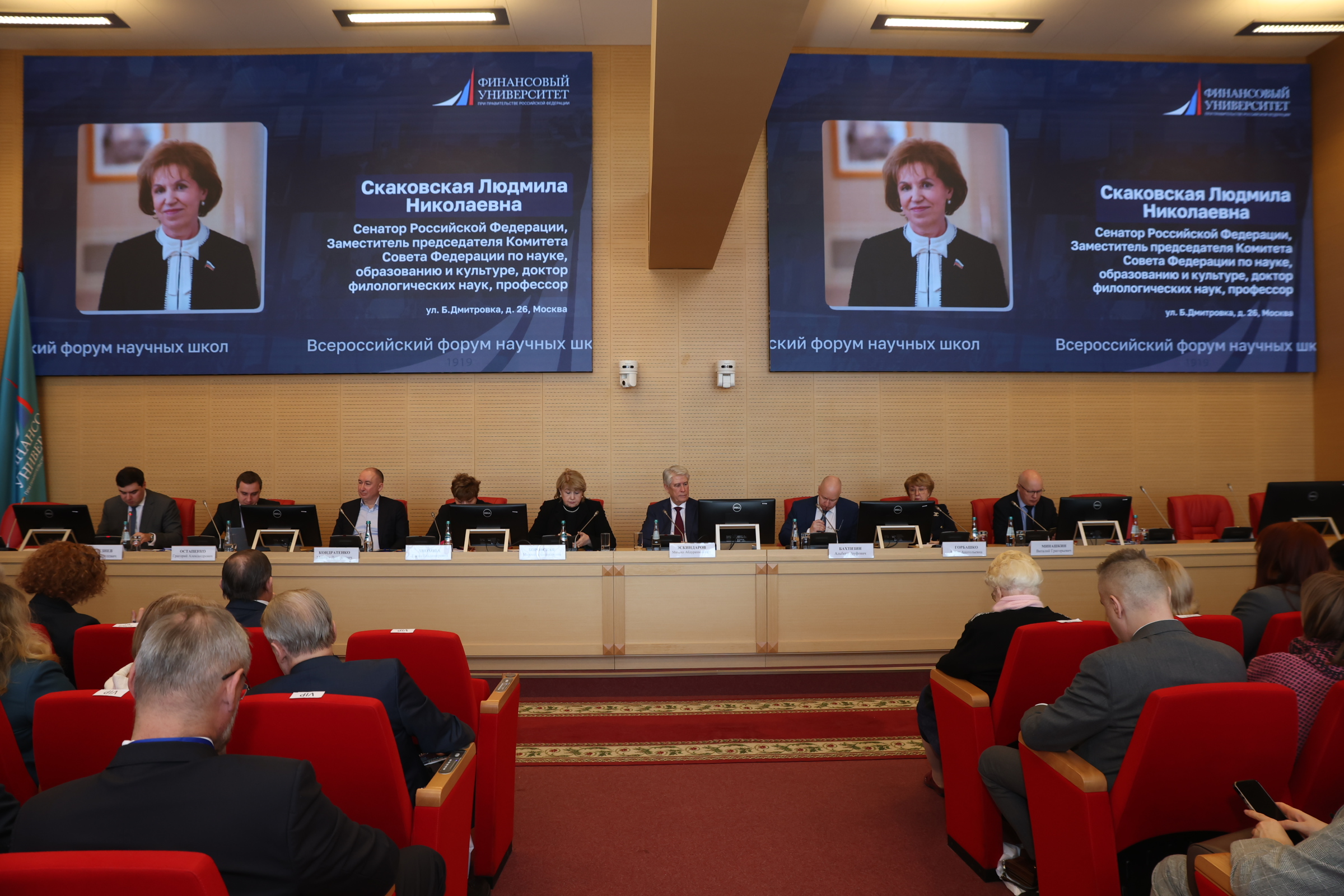
Greetings to forum participants were sent by Boris Chernyshov, Deputy Chairman of the State Duma of the Russian Federation, and Lyudmila Skakovskaya, Senator of the Russian Federation and Deputy Chair of the Federation Council Committee on Science, Education and Culture. They emphasized that education is a crucial investment in human capital, with universities acting as strategic partners of the state in training specialists and enhancing Russia’s scientific potential.
Experts focused on pressing issues affecting the functioning of scientific schools. Participants discussed the model of a modern scientific school, the pivotal role of its leader, the contribution of scientific schools to the university’s development strategy, the impact of digitalization on research processes, incentives for young scientists, and methods for attracting talent to science. The central question of the professional dialogue was:
“Who is the Scientist of the Future, and what role do scientific schools play in shaping them?”
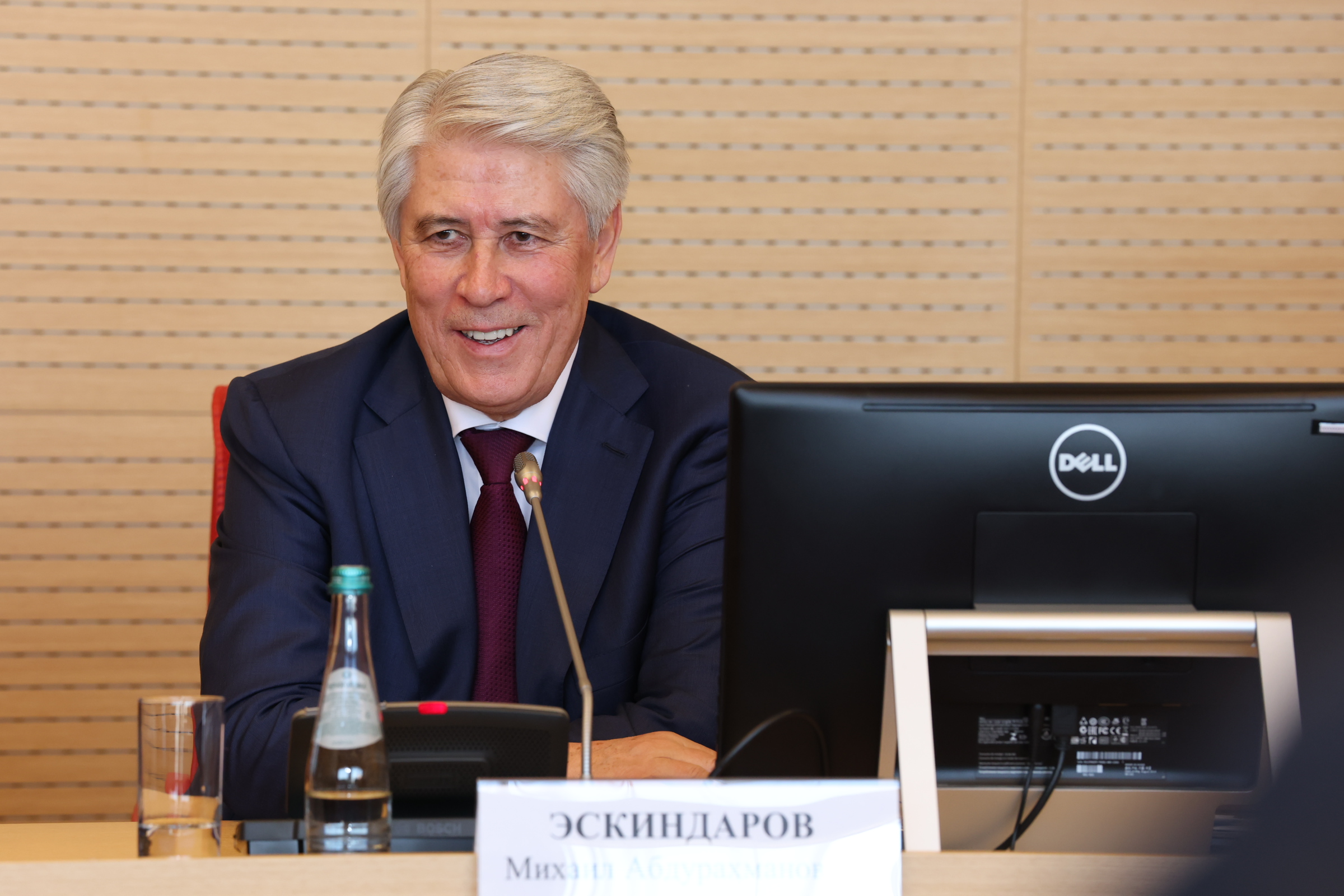
Mikhail Eskindarov, President and Academic Supervisor of Financial University, highlighted the importance of generational continuity:
“Scientific schools play a key role in shaping the university’s identity. Our foremost task today is to ensure their development through attracting young researchers, supporting graduate and doctoral students, and paying special attention to the leaders of scientific fields.”
Financial University currently hosts 22 active scientific schools that contribute extensively to the implementation of socially significant federal projects. The university’s research covers both fundamental and applied aspects, addressing key areas of the country’s socio-economic, technological, and humanitarian development. This multifaceted scientific activity results annually in over 100 monographs, 250 textbooks, and 2,000 academic articles.
During the forum’s plenary session, expert reports and opinions were presented by leading members of the academic community, including:
Dina Khnycheva, Deputy Chairman of the Government of Smolensk Region – Minister of Education and Science,
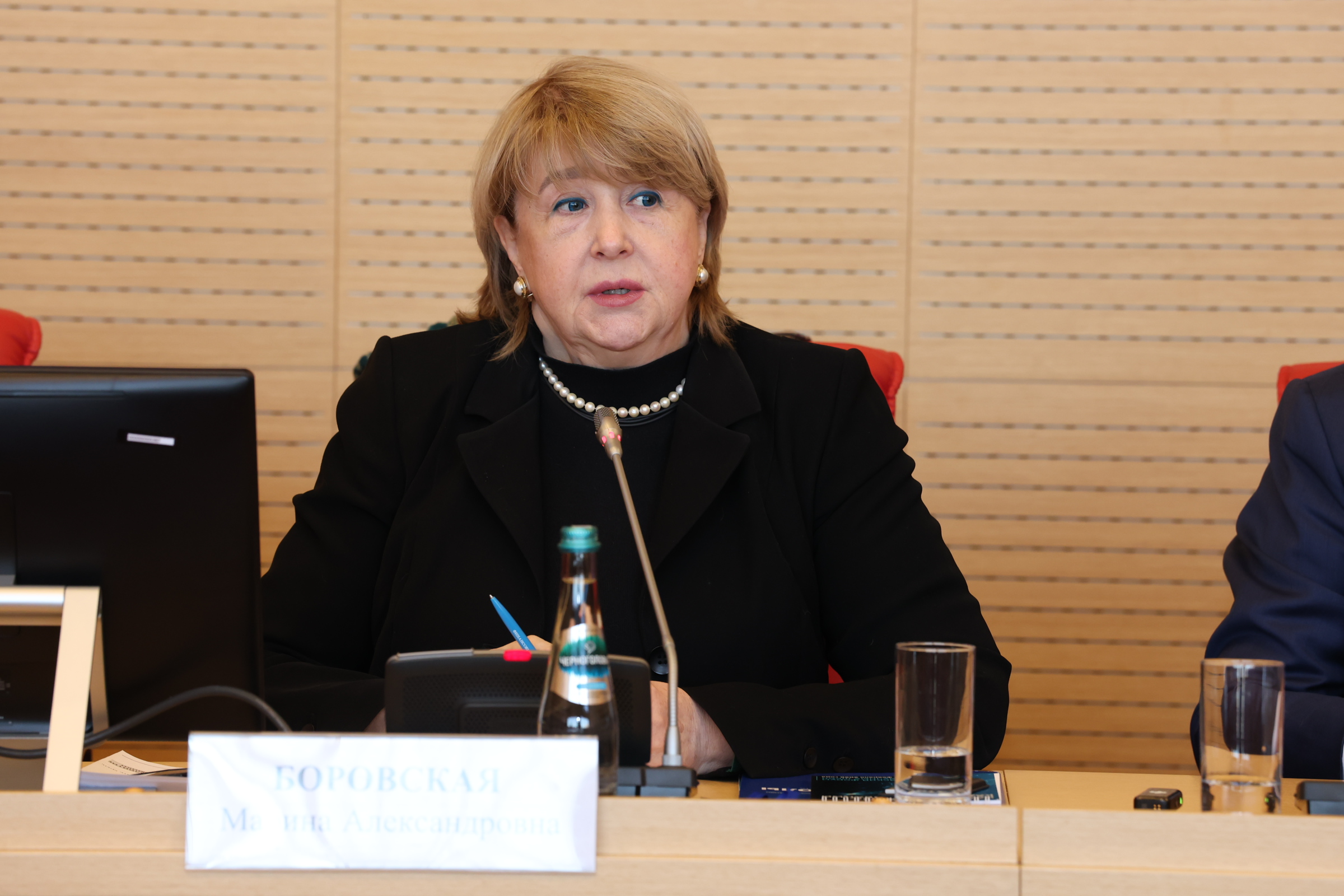
Marina Borovskaya, President of Southern Federal University and Chairperson of the Council of Rectors of Universities of Southern Russia,
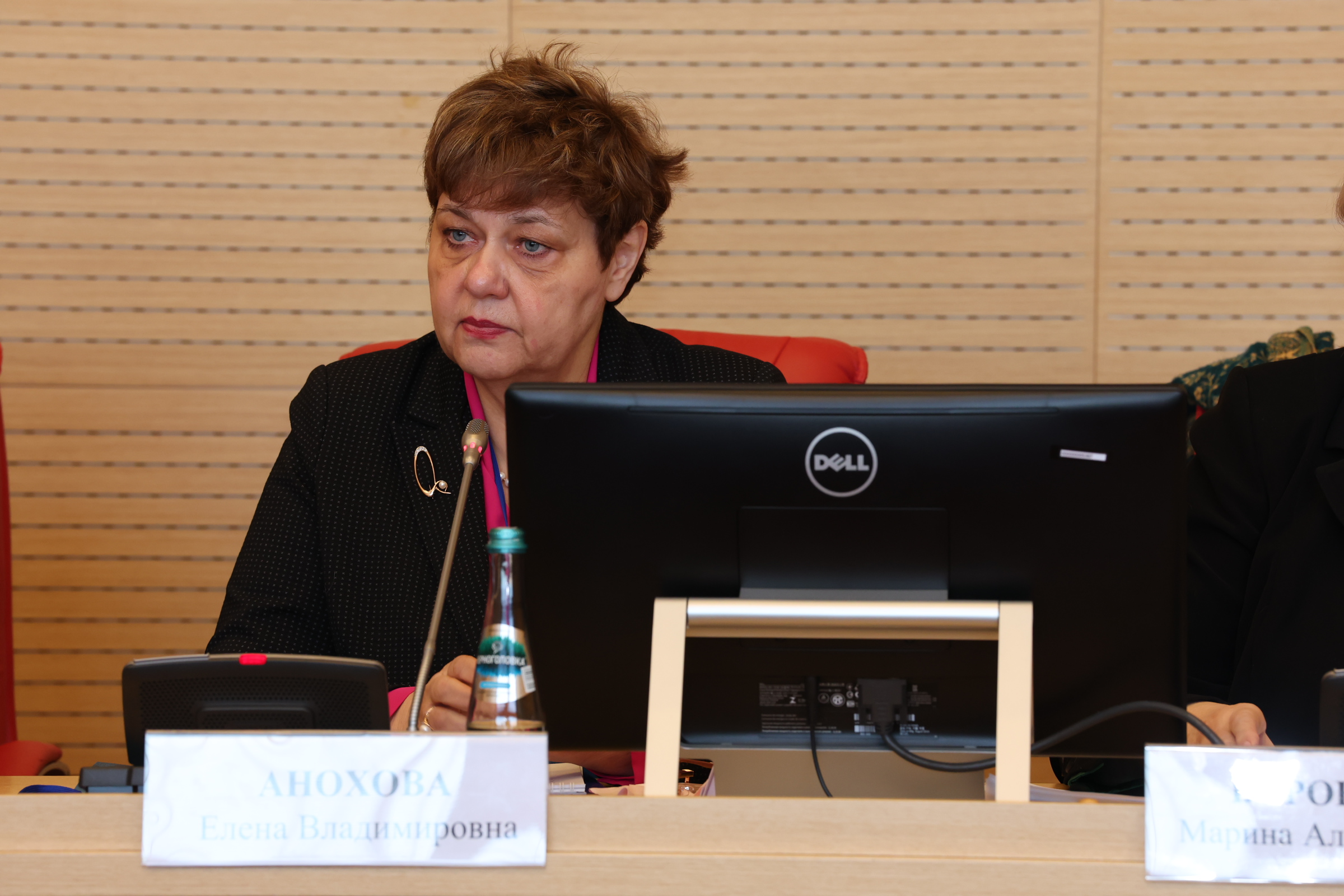
Elena Anokhova, First Vice-Rector of Moscow Institute of Physics and Technology,
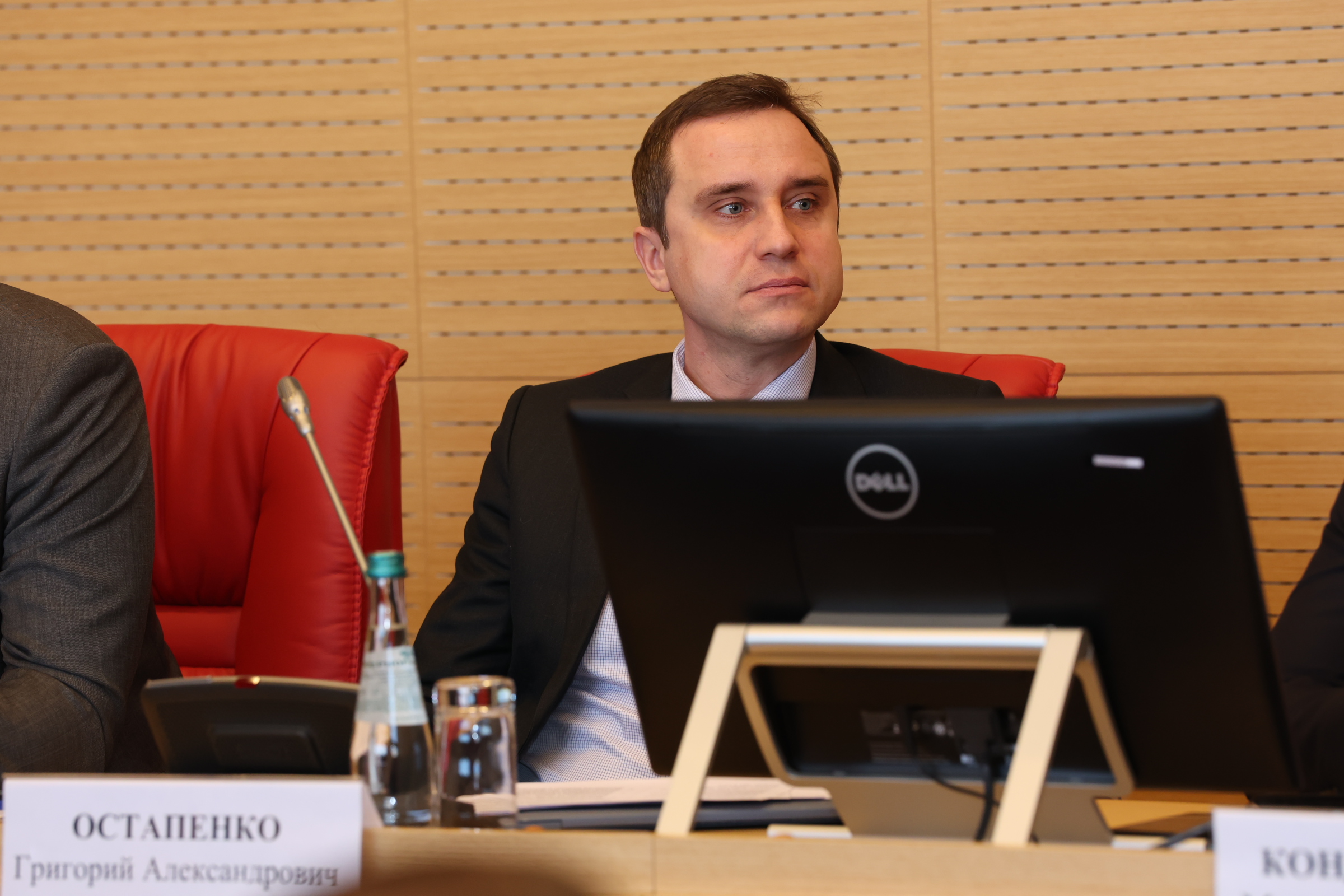
Grigory Ostapenko, Vice-Rector for Digitalization at Financial University,
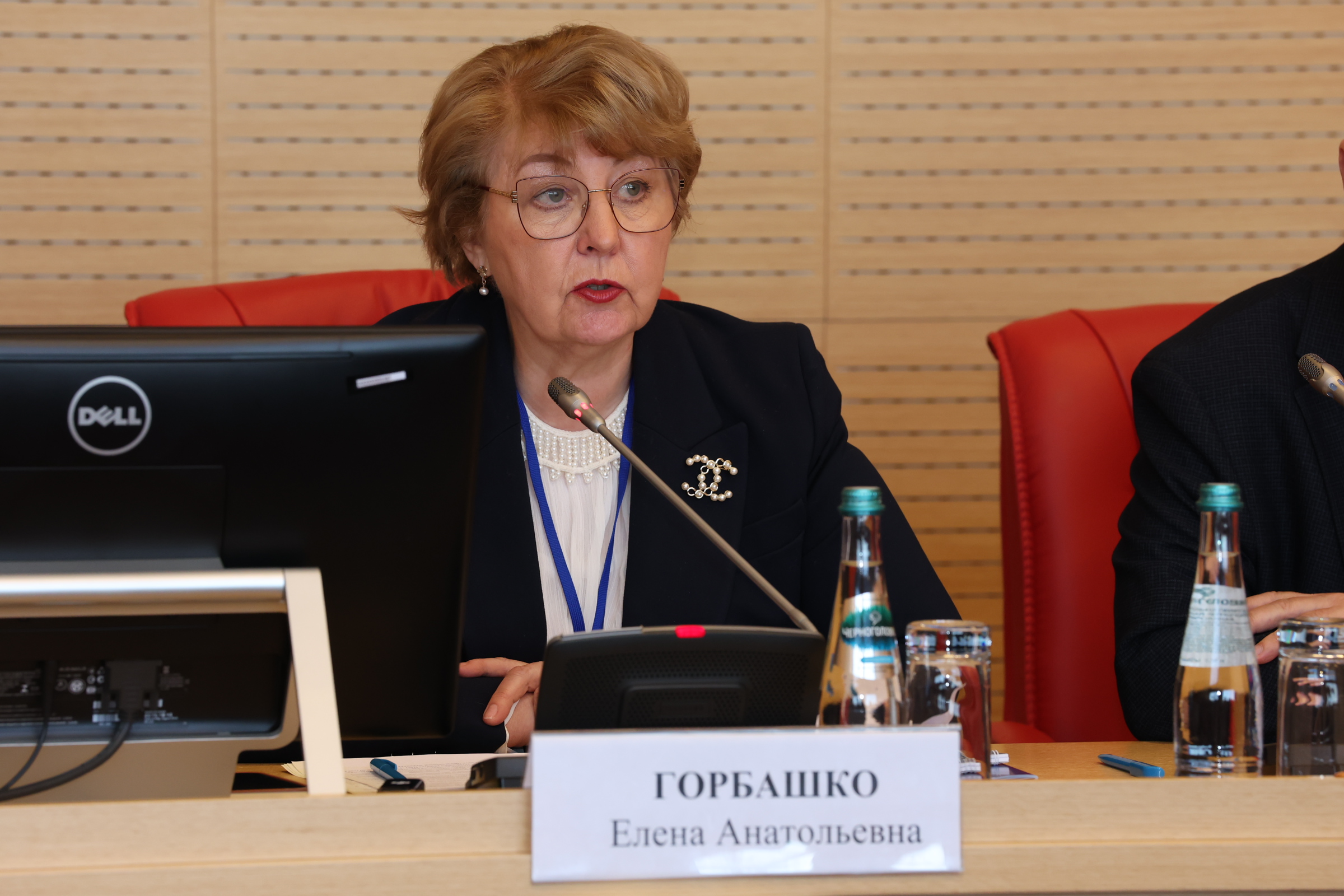
Elena Gorbashko, Vice-Rector for Research at Saint Petersburg State University of Economics
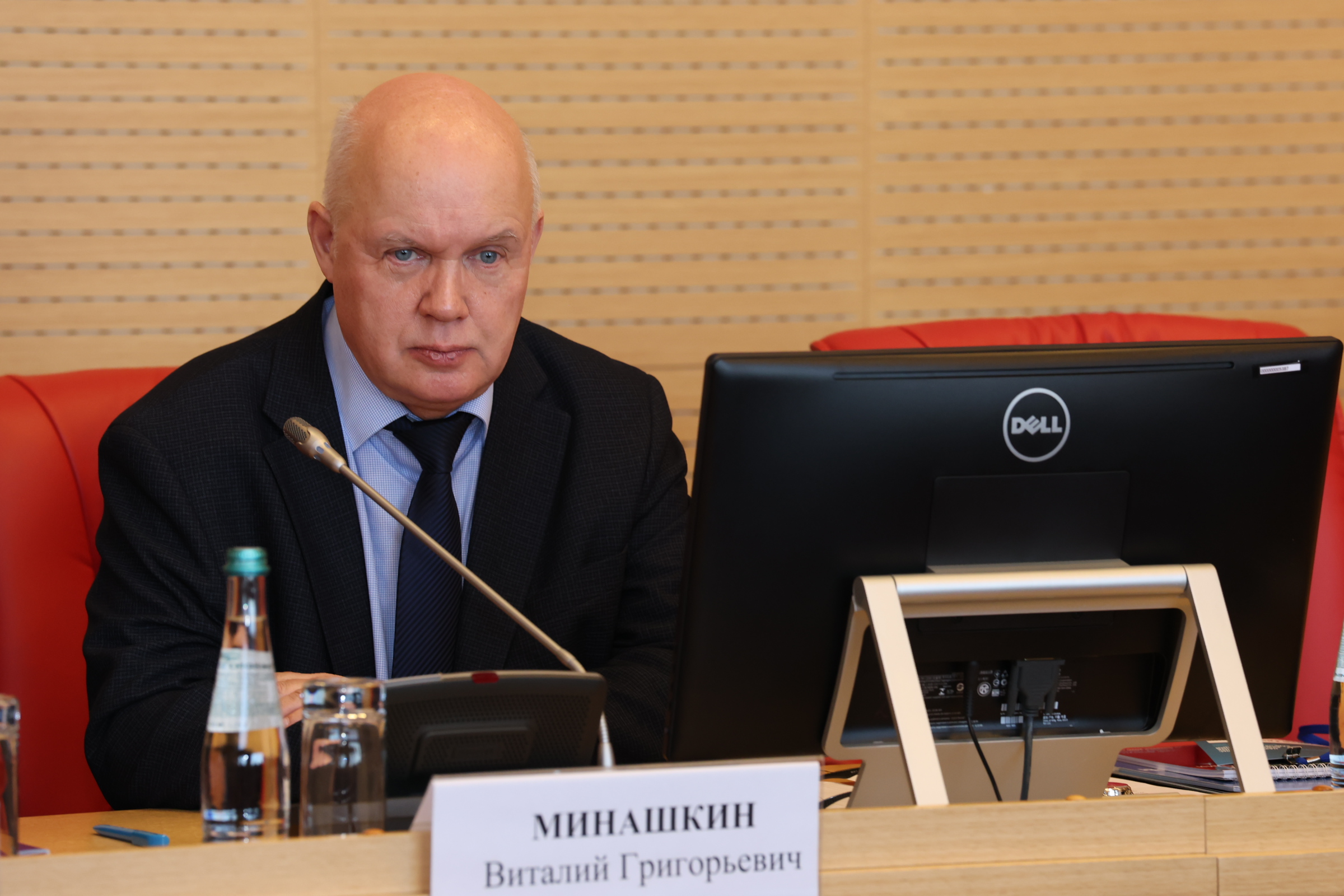
Vitaly Minashkin, Vice-Rector for Research at Plekhanov Russian University of Economics,
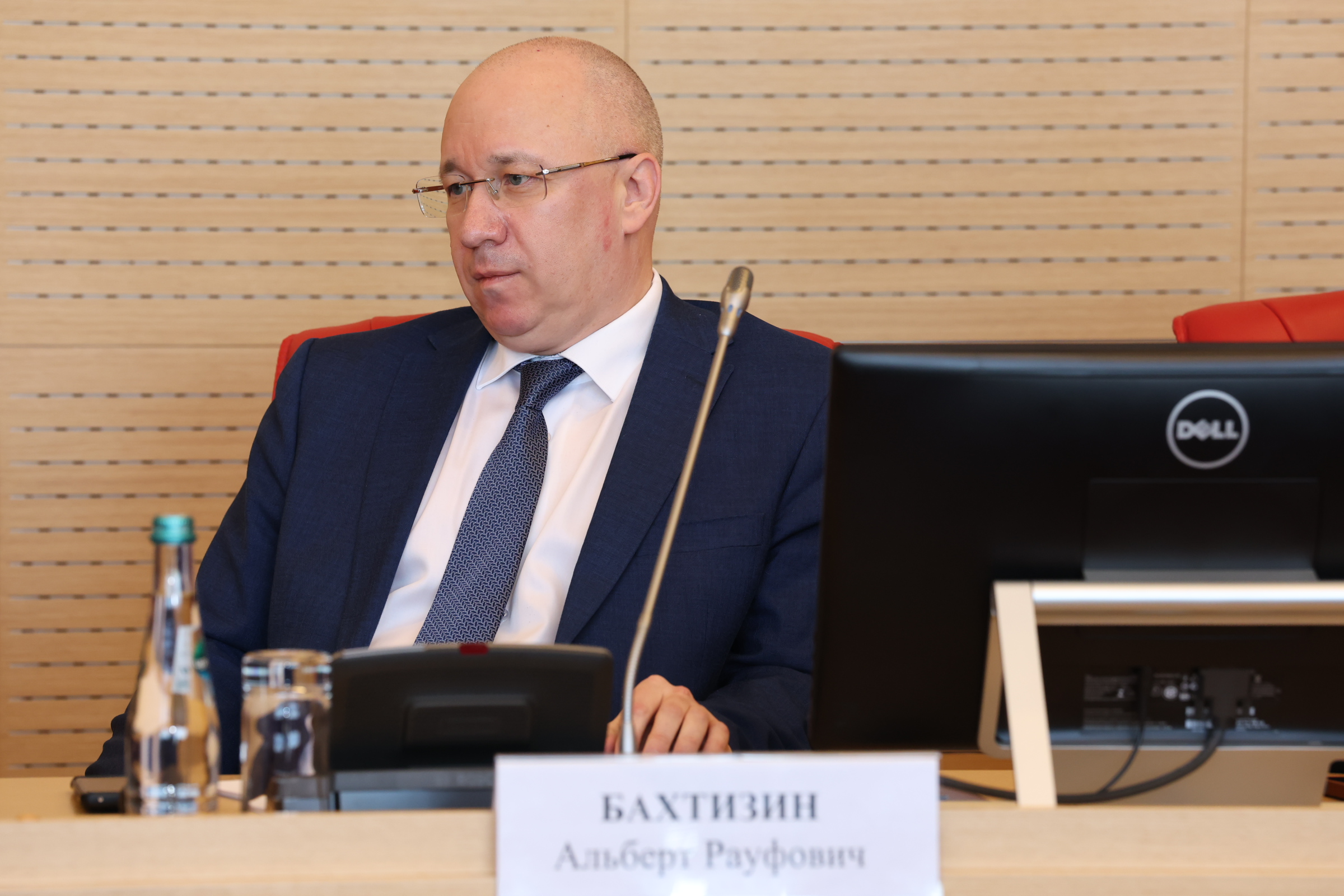
Albert Bakhtizin, Director of the Central Economics and Mathematics Institute of the Russian Academy of Sciences and Head of the Department of Mathematical Methods of Economic Analysis at Lomonosov Moscow State University,
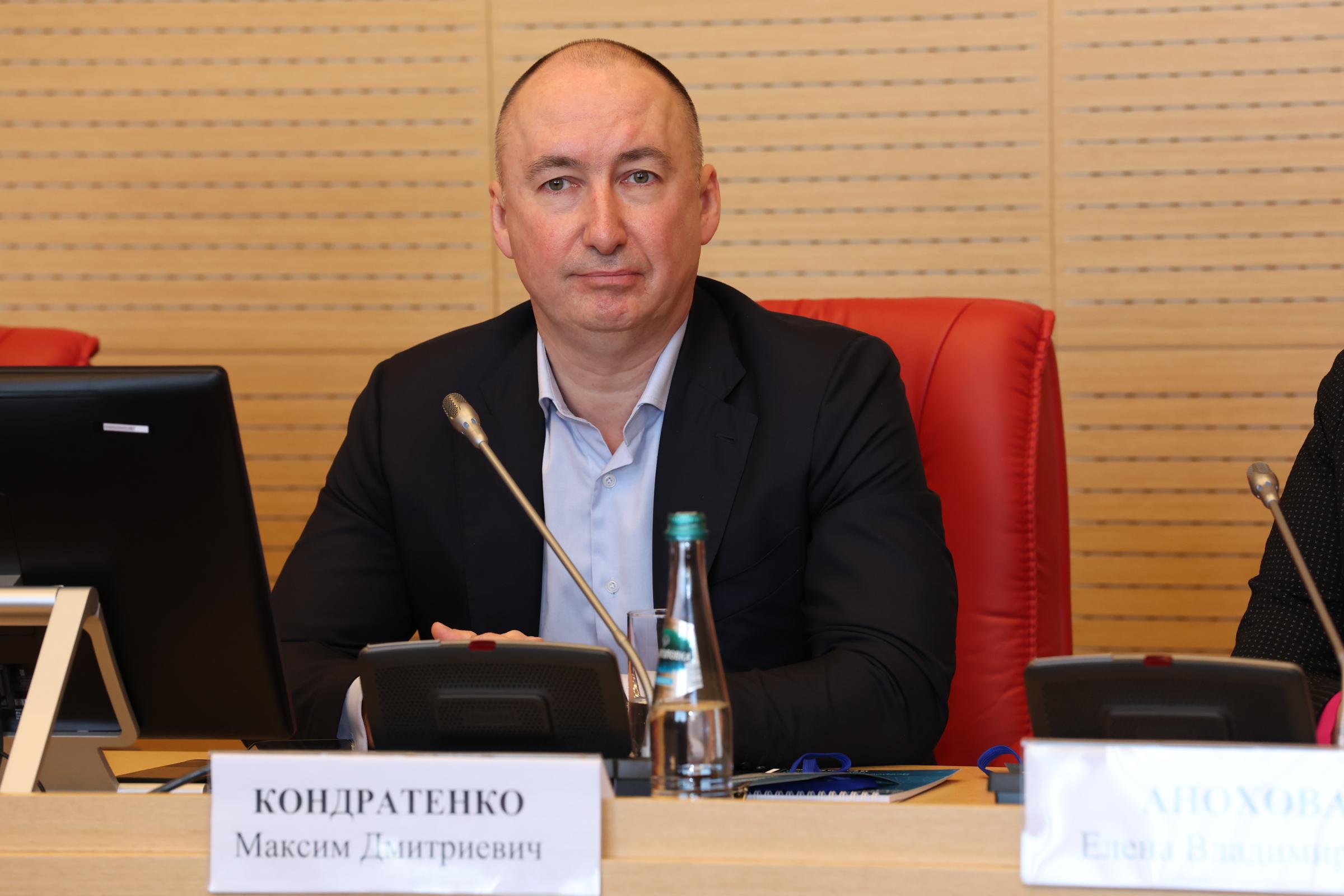
Maxim Kondratenko, Member of the Board of VTB Bank and Head of the VTB Basic Department “Modern Banking Practice and Technologies” at Financial University’s Faculty of Finance.
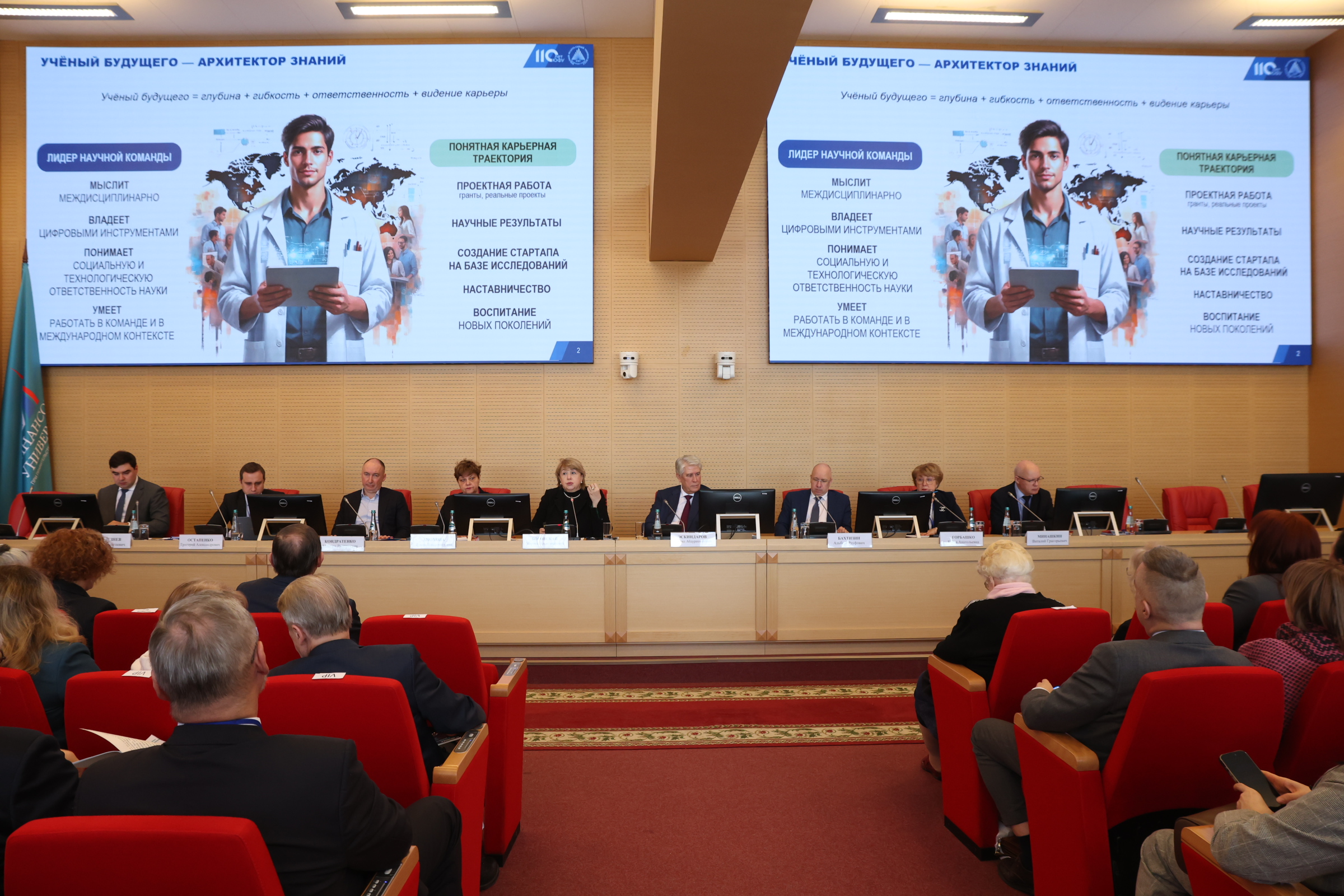
Experts agreed that the Scientist of the Future will be a knowledge architect, combining deep professional expertise with mental flexibility, social and technological responsibility, and a strategic career vision.
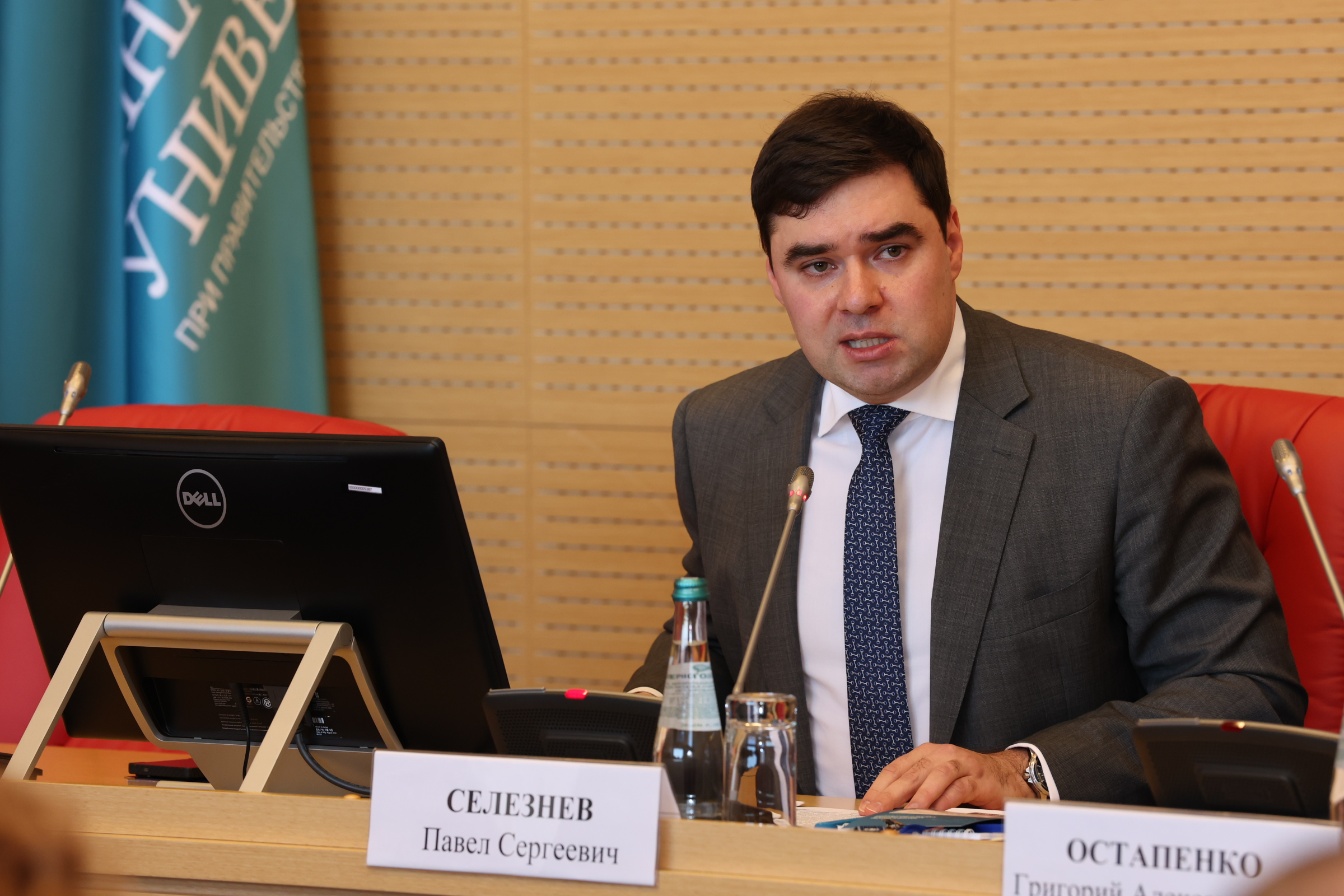
The plenary session was moderated by Pavel Seleznev, Dean of the Faculty of International Economic Relations at Financial University. The forum was organized with active support from Marina Fedotova, Deputy Scientific Supervisor of Financial University.
The forum continued with 8 interdisciplinary sections focused on the scientific evolution of financial theories, digital transformation of public administration, crisis management, postgraduate training, and the role of humanitarian and international scientific schools in advancing national development priorities.