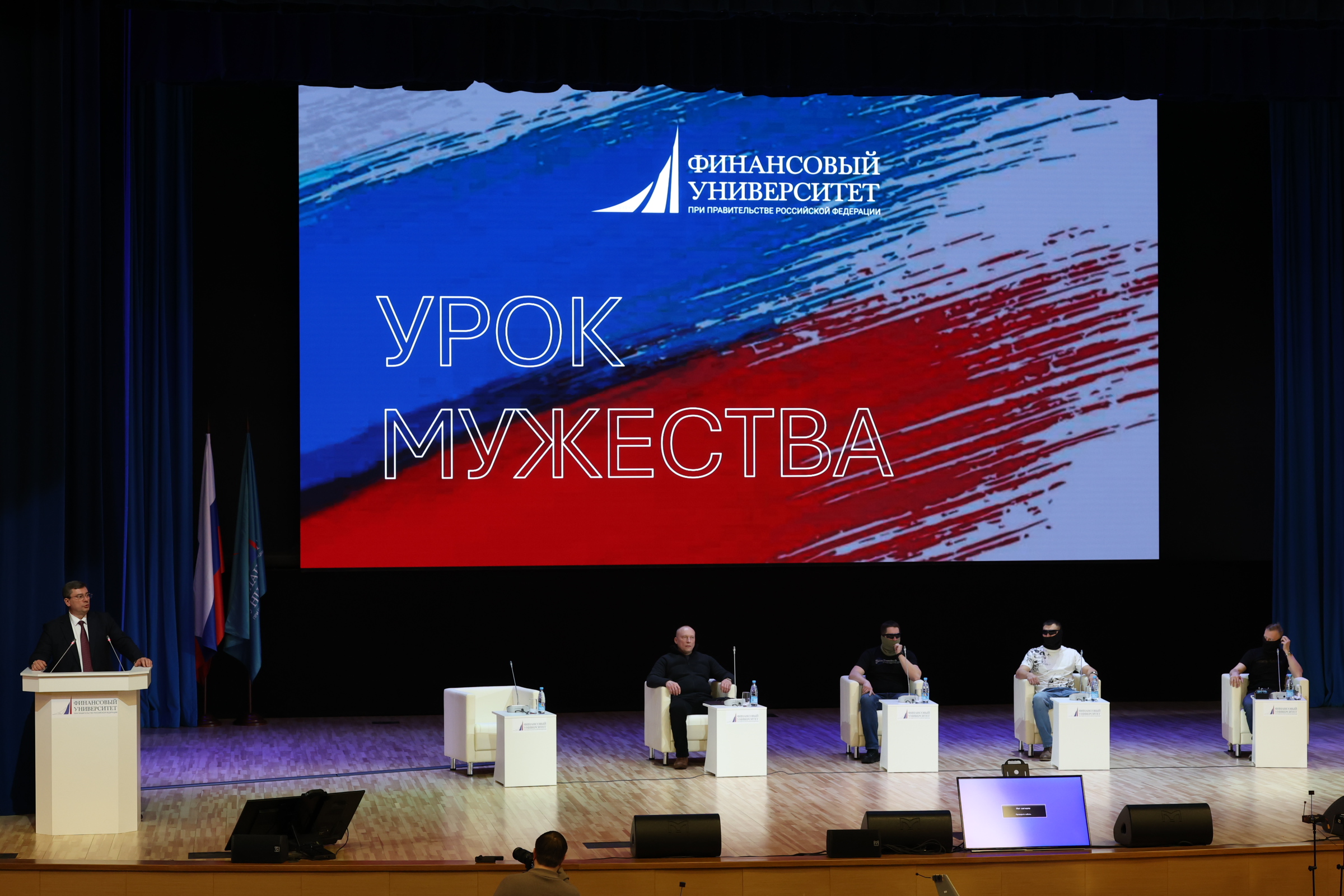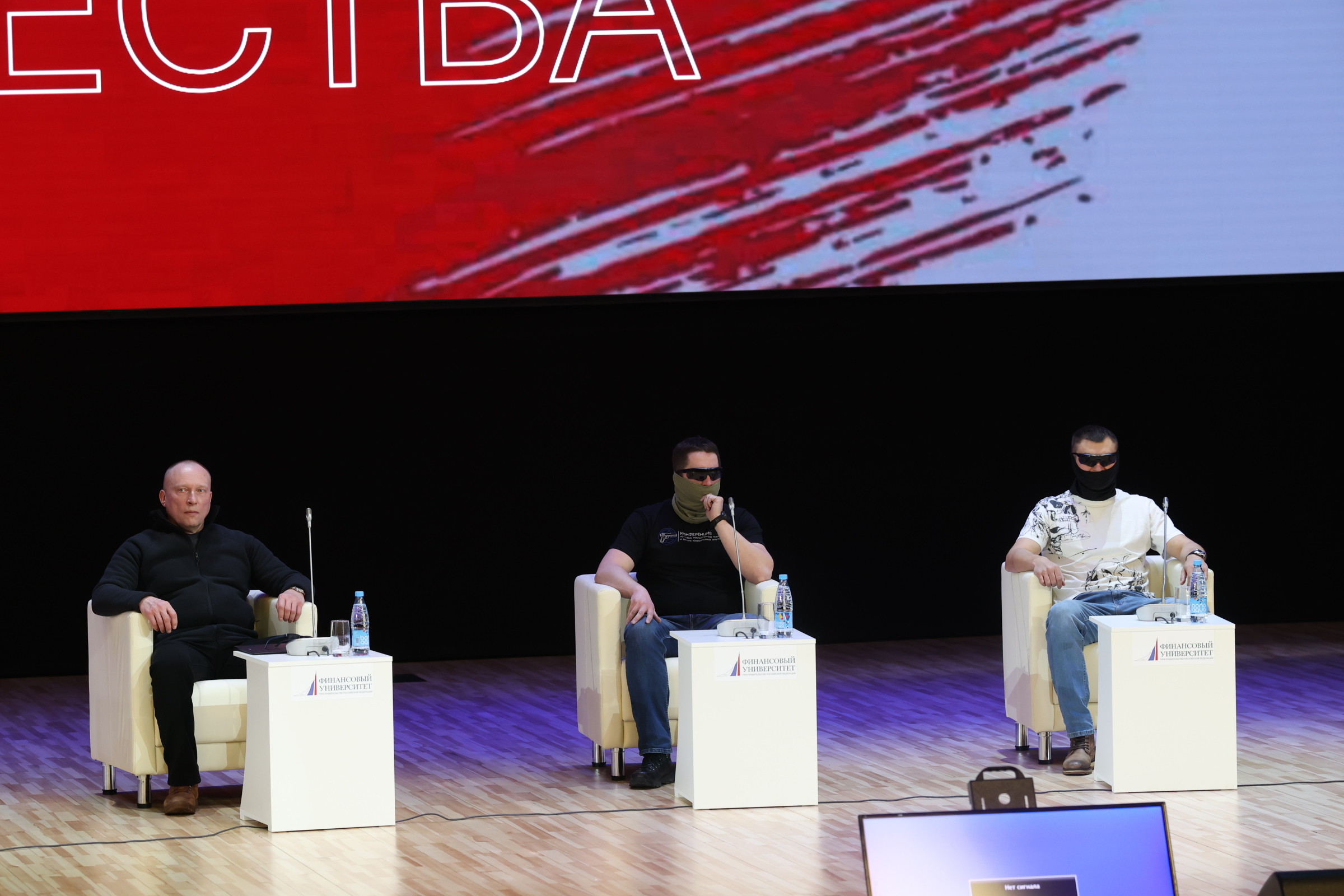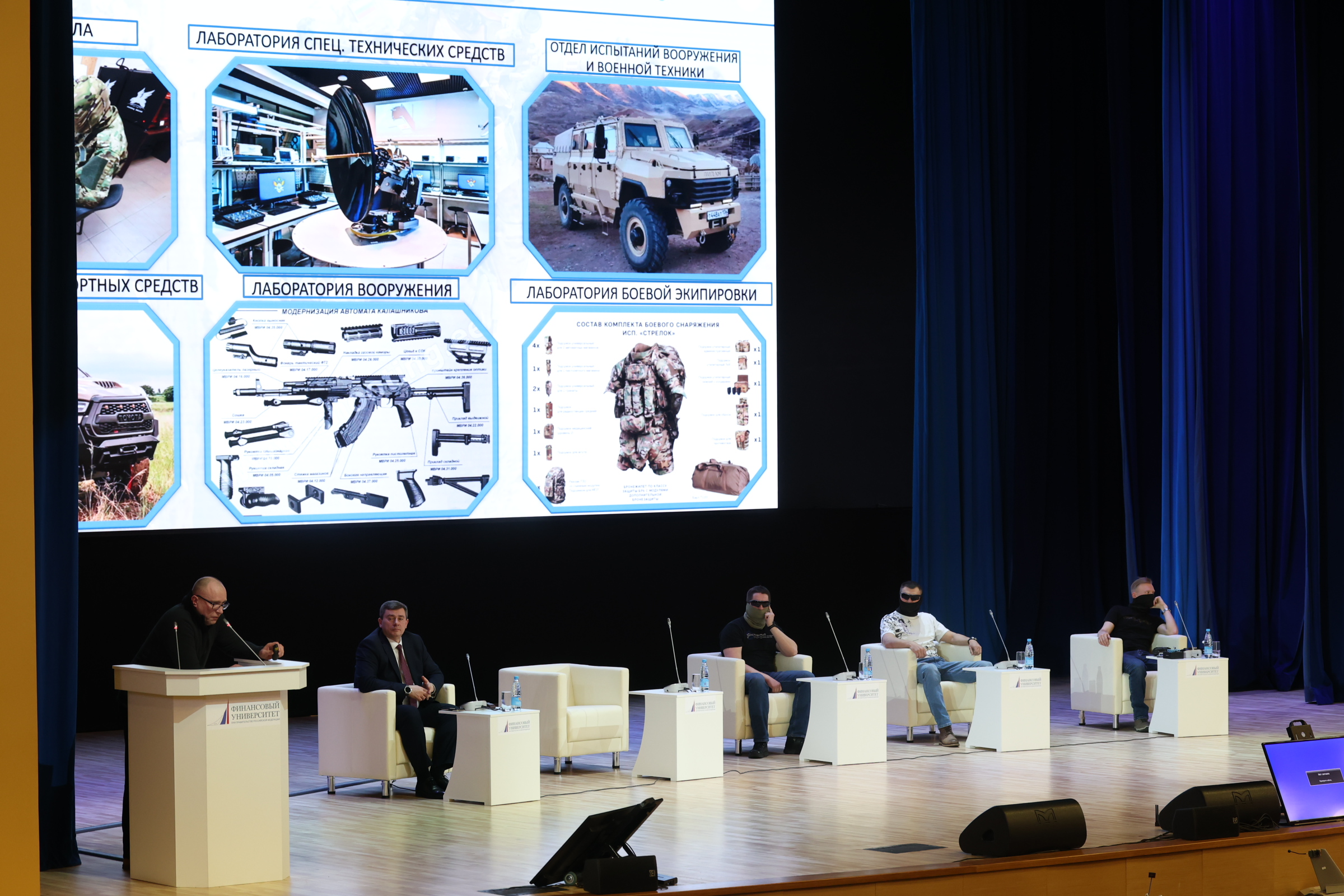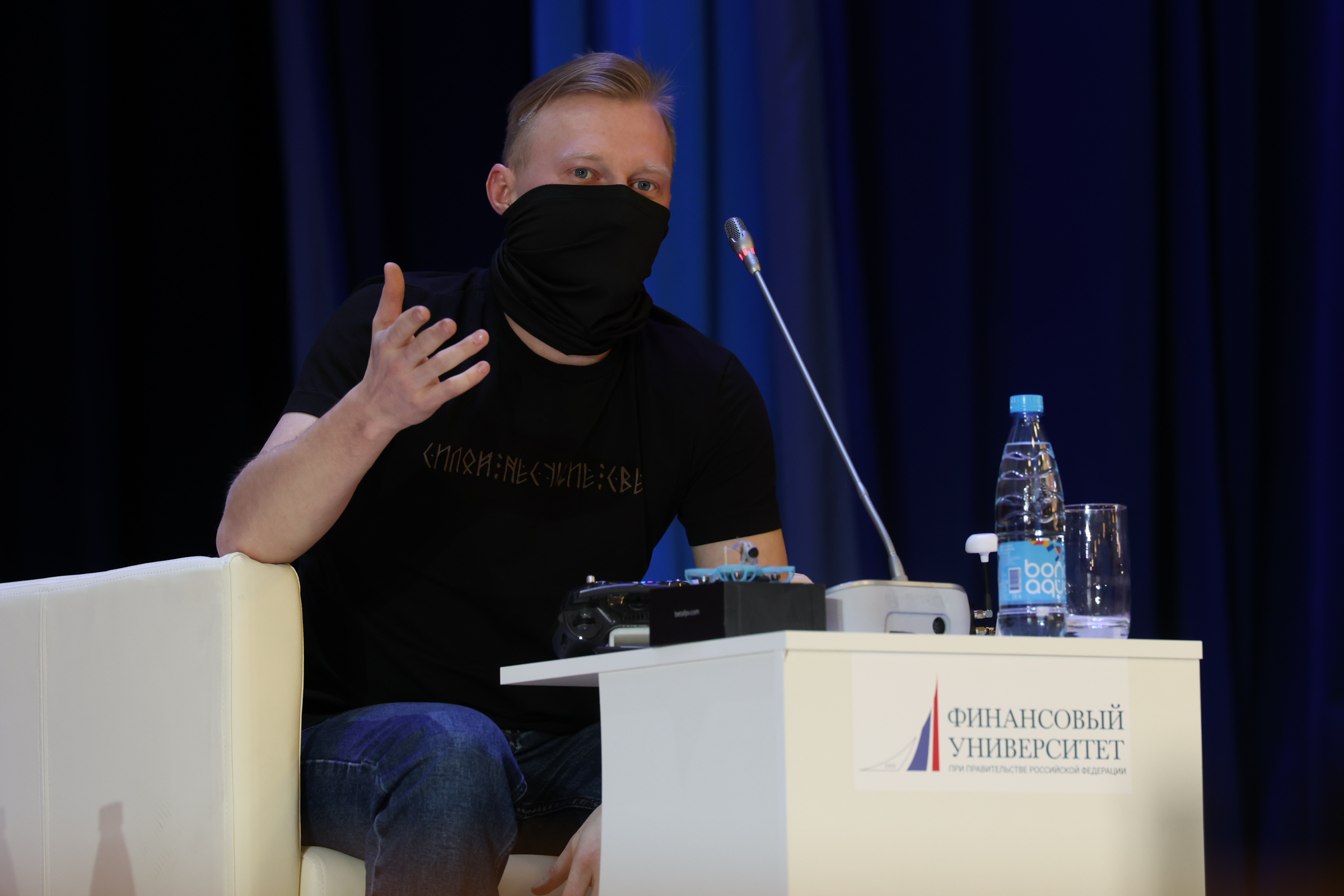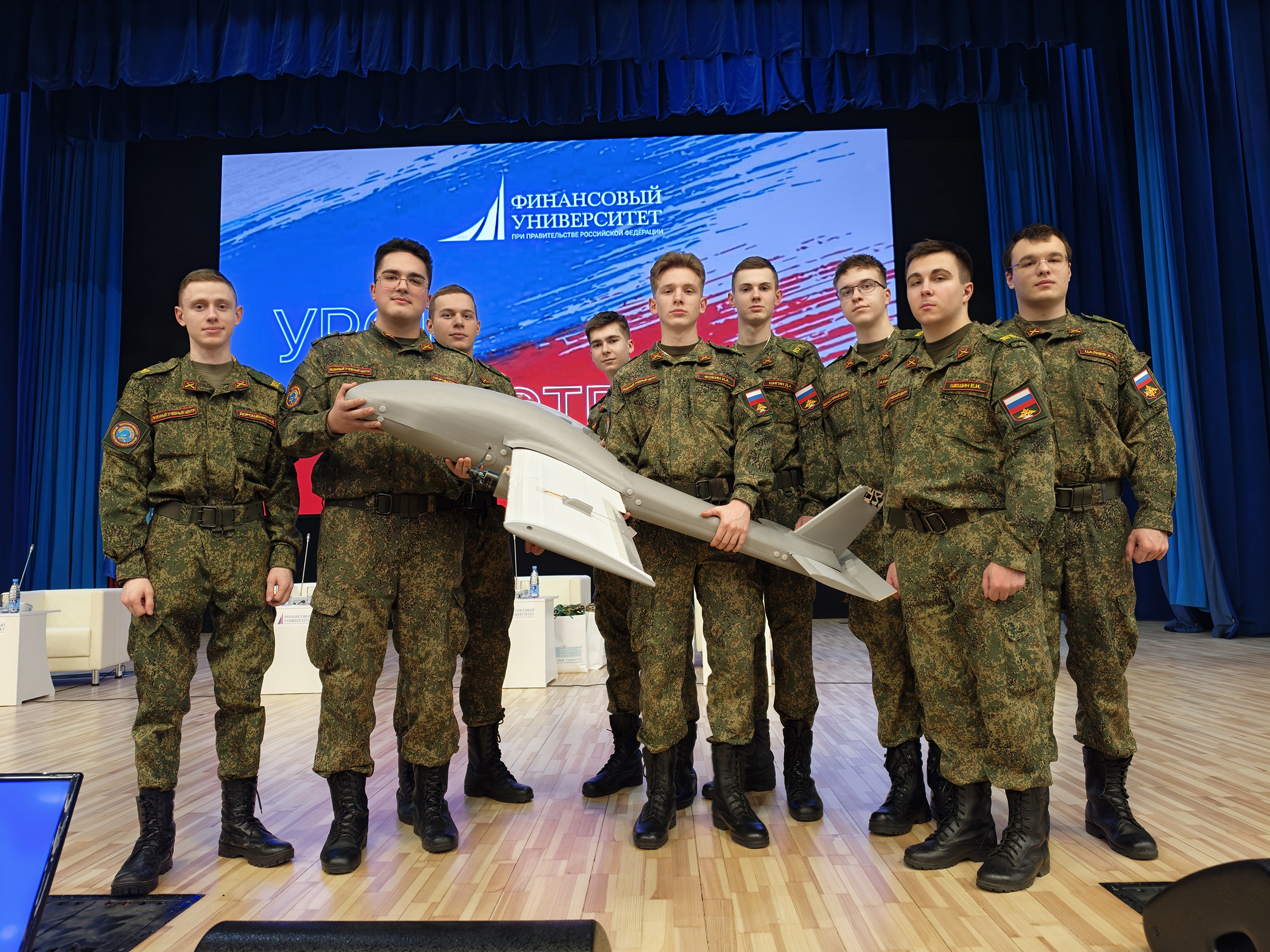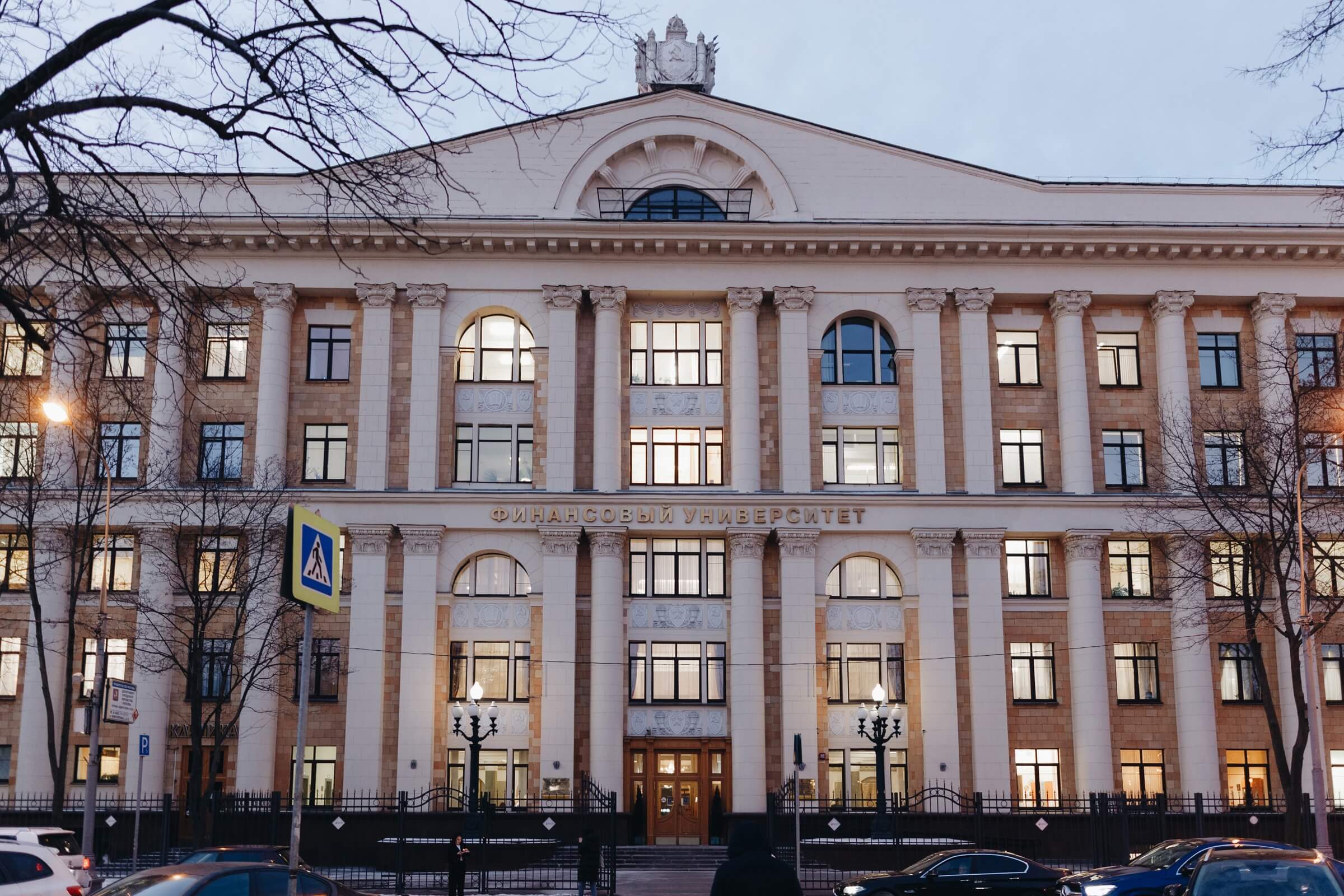
On February 12, 2026, just before Defender of the Fatherland Day, the Financial University hosted a special "Lesson in Courage" — a meeting between university students and participants of the Special Military Operation, experts from the combat drone control unit.
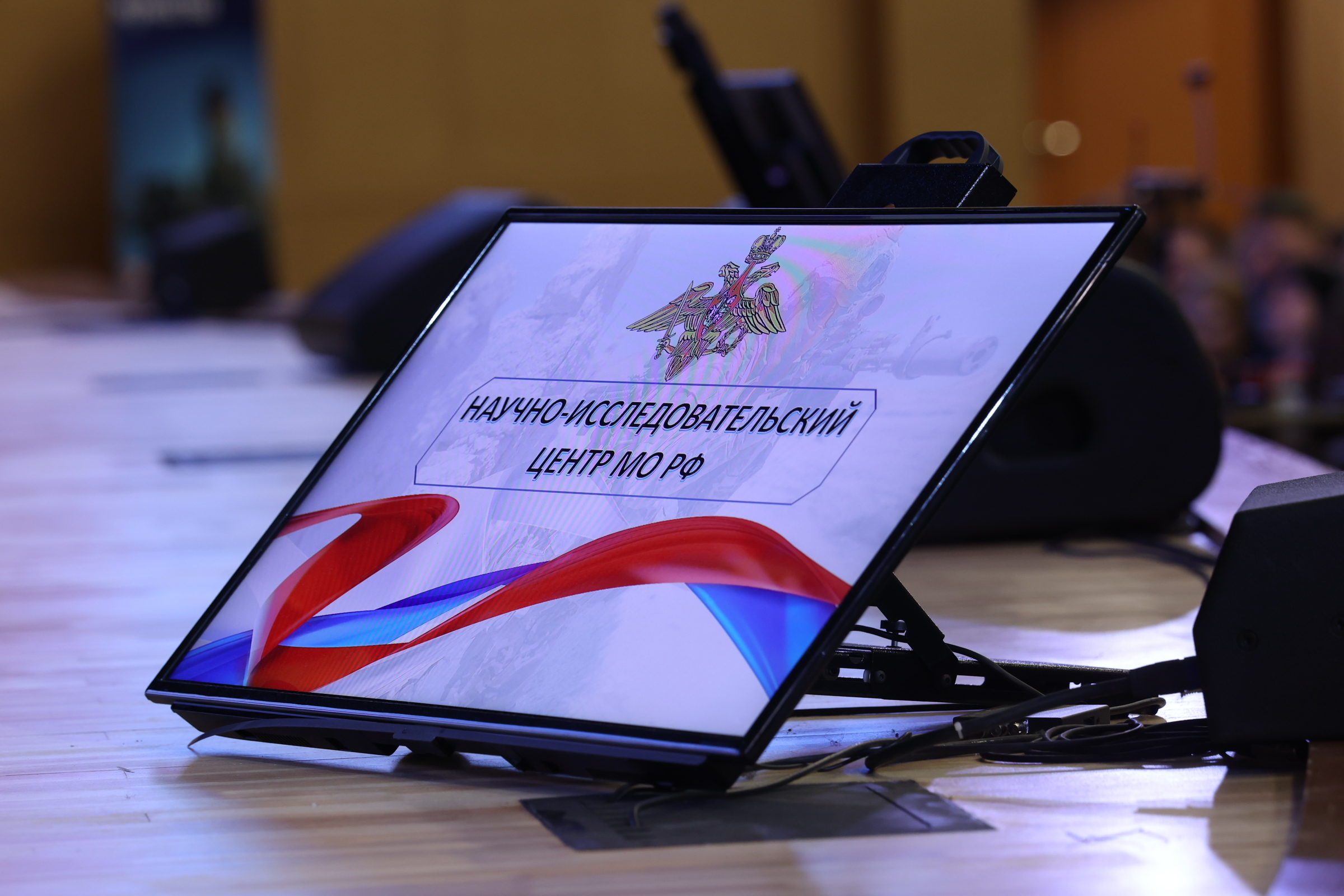
The event was organized by the Scientific Research of the Ministry of Defence of the Russian Federation, a strategic partner of the Financial University. Thanks to this collaboration, students had the unique opportunity to hear the realities of modern warfare directly from those who carry out combat missions daily to protect our Motherland.
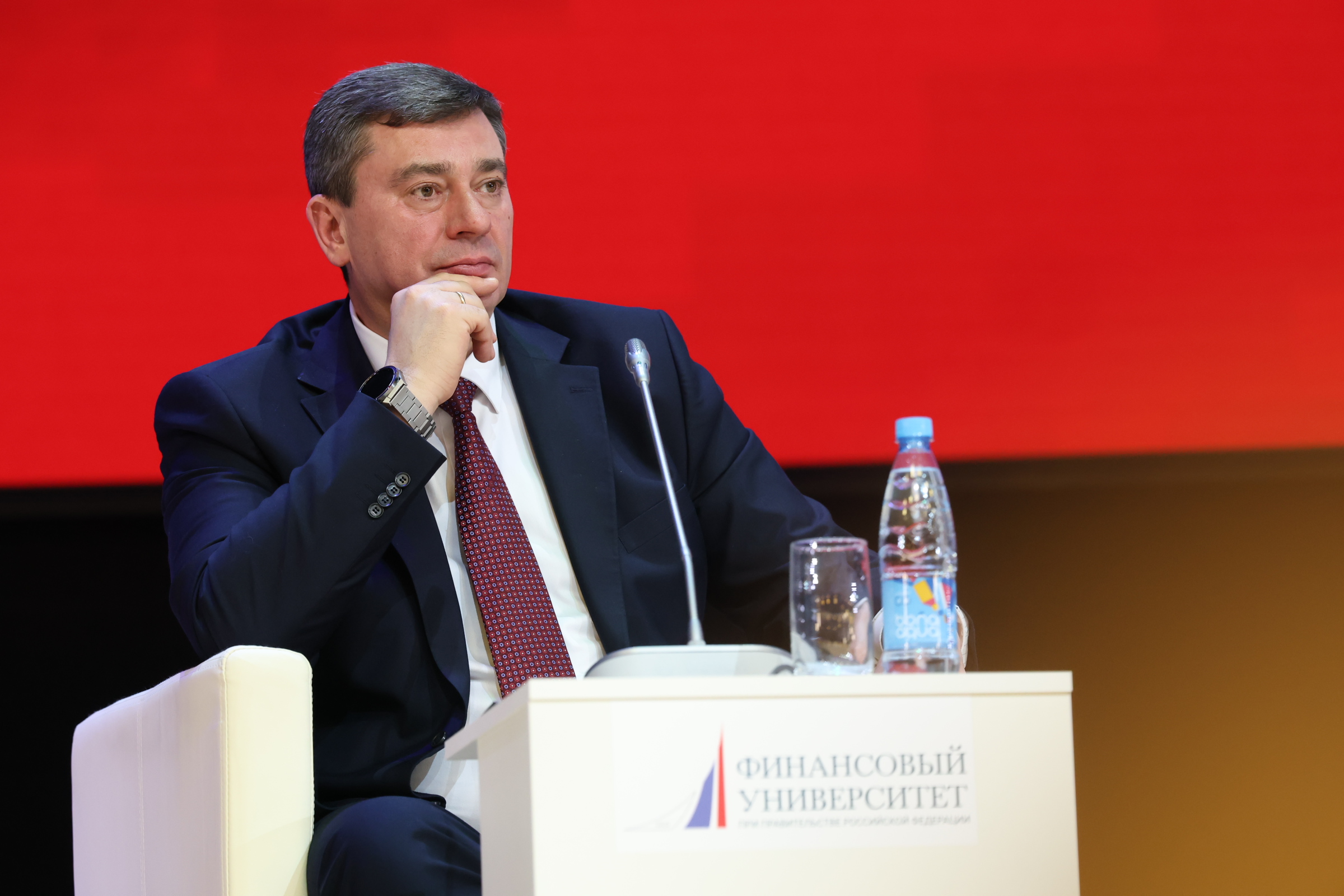
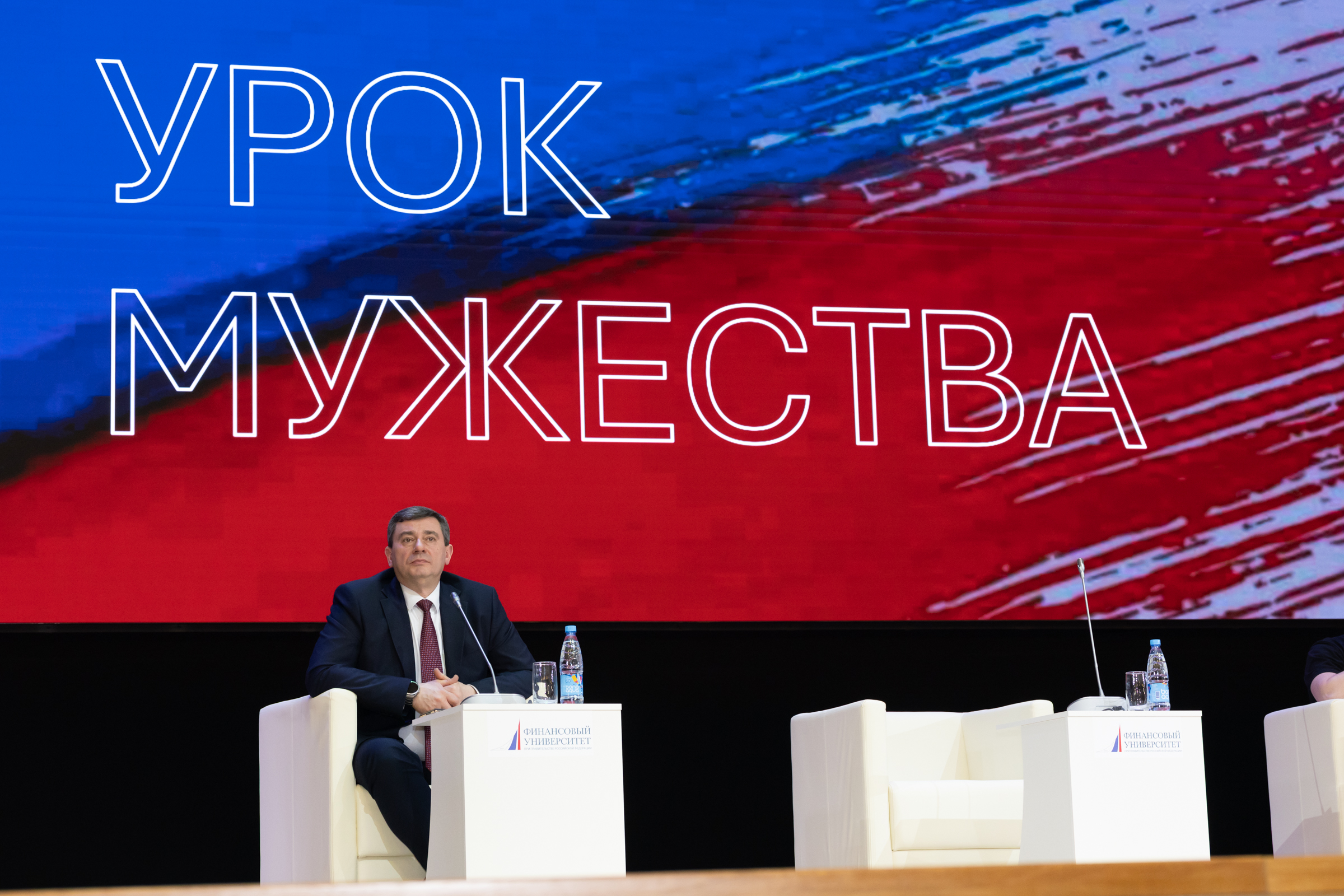
Opening the event, Alexander Kozharinov, Vice-Rector for Social Work and Extracurricular Activities, remarked:
“We live in an era of rapid change, with technologies advancing at an unprecedented pace, and military science is no exception. Given the innovations being integrated into military science, the President of Russia signed a decree establishing a separate branch of the armed forces — Russia’s Unmanned Forces. Today, the country’s weapons and defense capabilities include robotics. Such events are valuable for our students as they highlight the intersection of economics and defense technologies.”
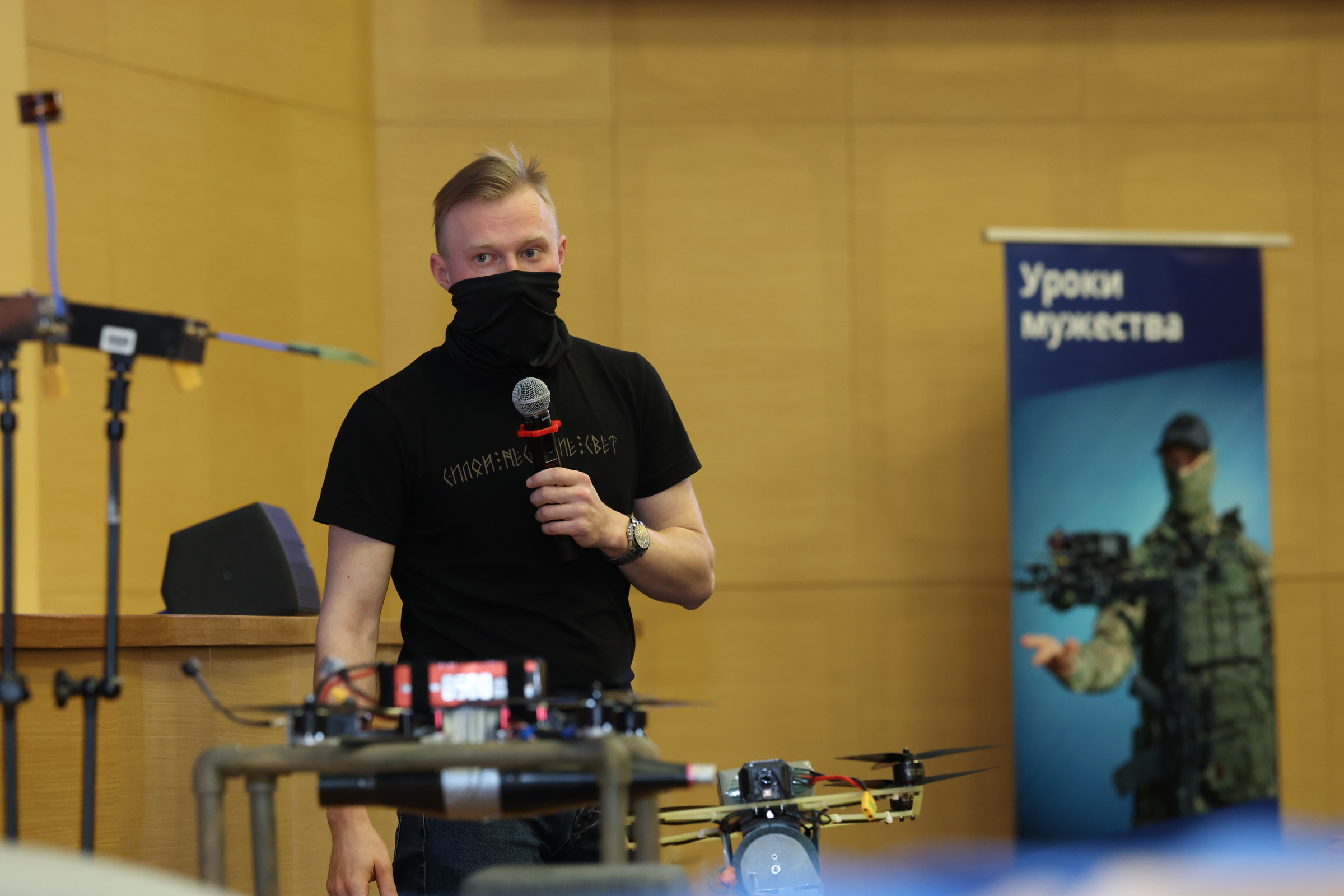
The focus of the meeting extended beyond the heroism of military life to include the technical aspects. Where courage was once associated solely with spirit and bayonet charges, now it also encompasses cybernetics and optics. Representatives from the Research Center detailed their laboratories’ work and shared experiences on how new technologies are transforming military operations. Financial University students learned how drones have evolved from reconnaissance tools into key elements of precision firepower.
“Recently, military affairs have undergone a true revolution. We have entered a new high-tech phase where leading military powers actively employ artificial intelligence for data gathering and reconnaissance. Information technology underpins all aircraft operations, and the use of semi-autonomous and autonomous systems allows missions to be carried out without direct soldier involvement. This not only helps save soldiers’ lives and decreases battlefield errors but also opens up limitless possibilities for operational control,” shared the Deputy Head of the Research Center with the students.
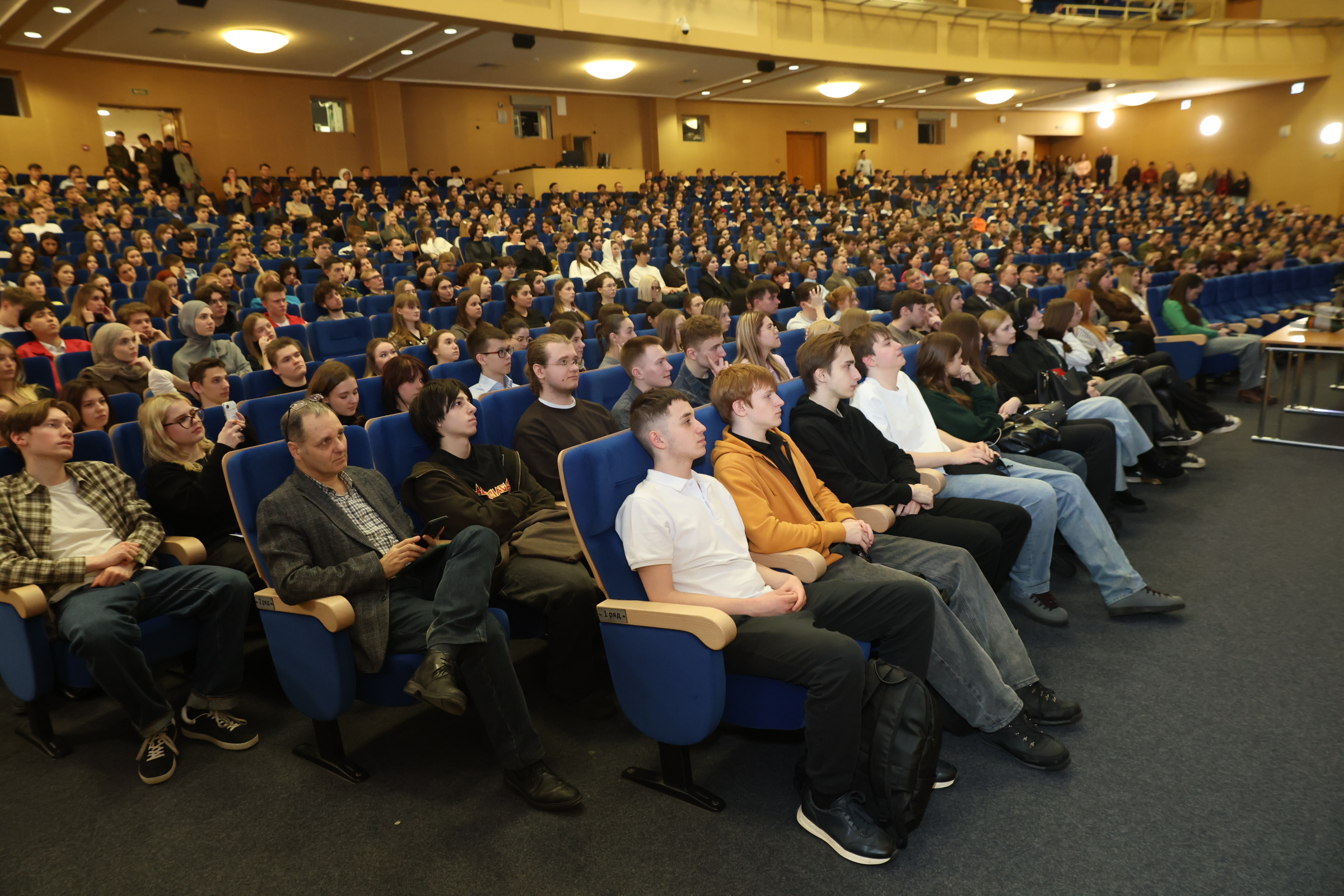
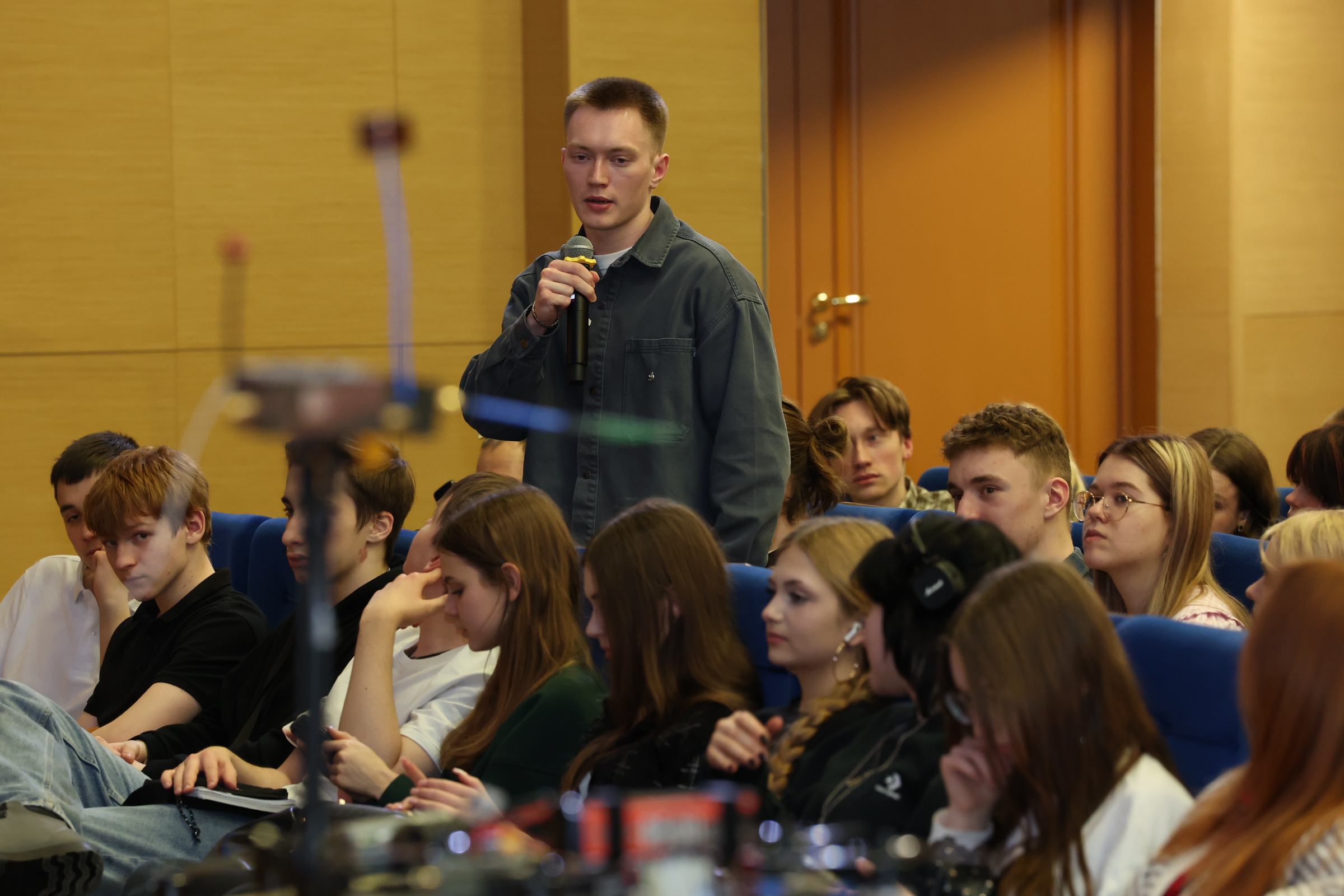
The event took the form of an open dialogue. The servicemen answered all questions honestly. Students were eager to learn about every aspect: challenges faced by UAV operators in real combat, AI’s role in drone control, and to what extent “smart” electronics can replace human operators. They were also curious about production timelines — from the first design sketch to a drone ready to take flight. The meeting made such an impression that some students expressed interest in visiting the Research Center for an up-close look at how the military technology of the future is developed.
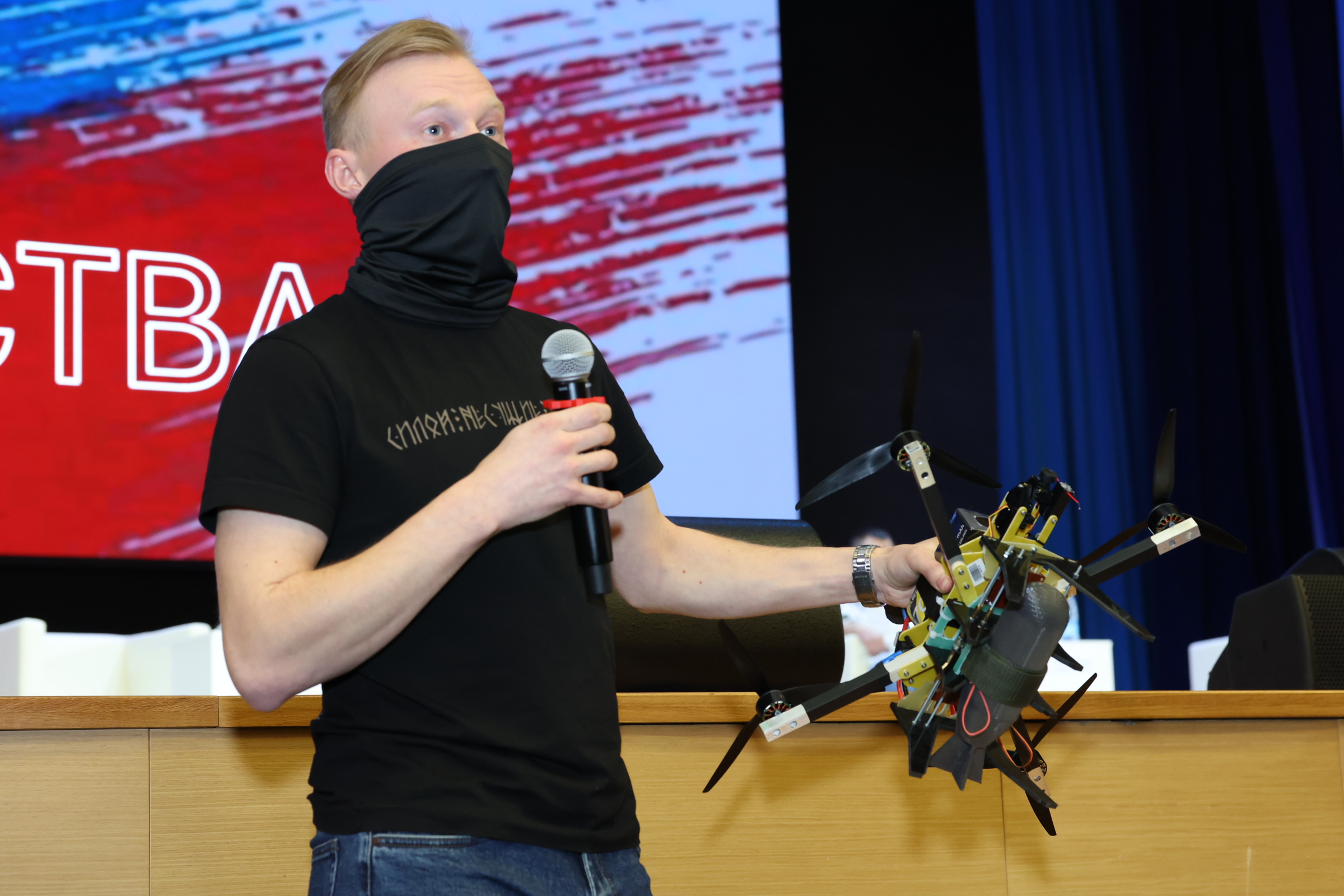
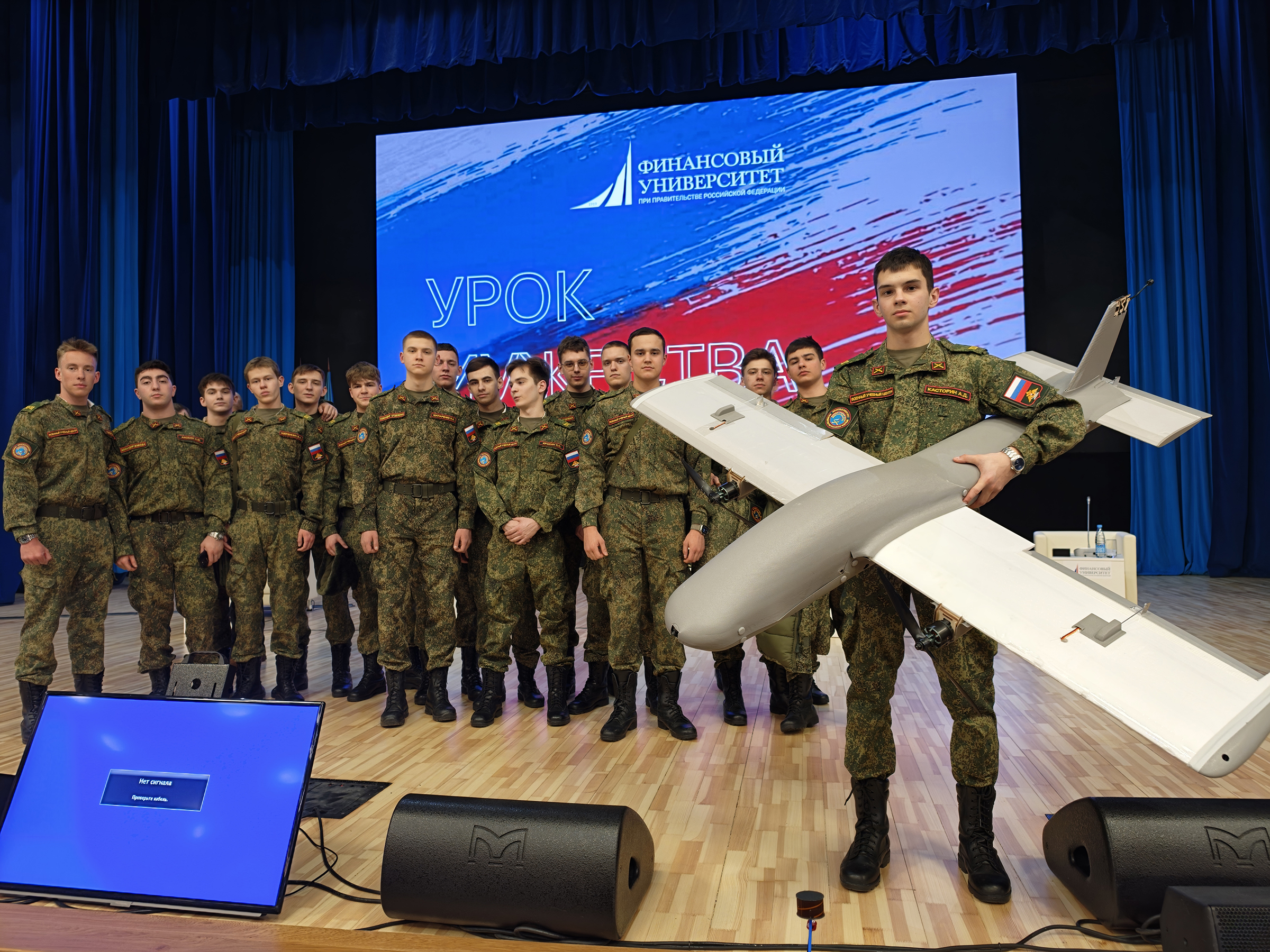
Scale models of small aerial vehicles, including quadcopters and fixed-wing drones, were displayed during the event. These devices have a significant impact on modern battlefields, supported by the extensive work of the Center’s staff who develop software and implement new technologies.
The discussion also touched on how everyone can contribute to supporting the front. For example, the “We Are Together” sewing workshop at the University’s Faculty of Law has, for the past three years, produced various items for soldiers of the Special Military Operation and front-line hospitals. What started at the end of 2023 has grown into a large volunteer movement. In 2025 alone, students and faculty made over 30,000 seasonal items — warm hats, balaclavas, scarves, T-shirts, fleece sweatshirts, and medical pillows. All products were delivered to 20 military units and 3 hospitals. The university community’s efforts represent invaluable assistance and a tangible contribution to supporting those defending the Fatherland.
Beyond sewing products, the Financial University is actively involved in broader military-patriotic support: staff and students create camouflage nets and bunker candles, artistic groups perform concerts in hospitals, and regular humanitarian aid collections are organized.
Perhaps the greatest outcome of the "Lesson in Courage" was not the applause, but the fact that many students lingered after the official program ended, engaging in numerous personal conversations. Some asked detailed technical questions about drones, while others simply expressed their gratitude to the servicemen.
The Financial University thanks the representatives of the Ministry of Defence’s Research Center for their visit and openness to dialogue!