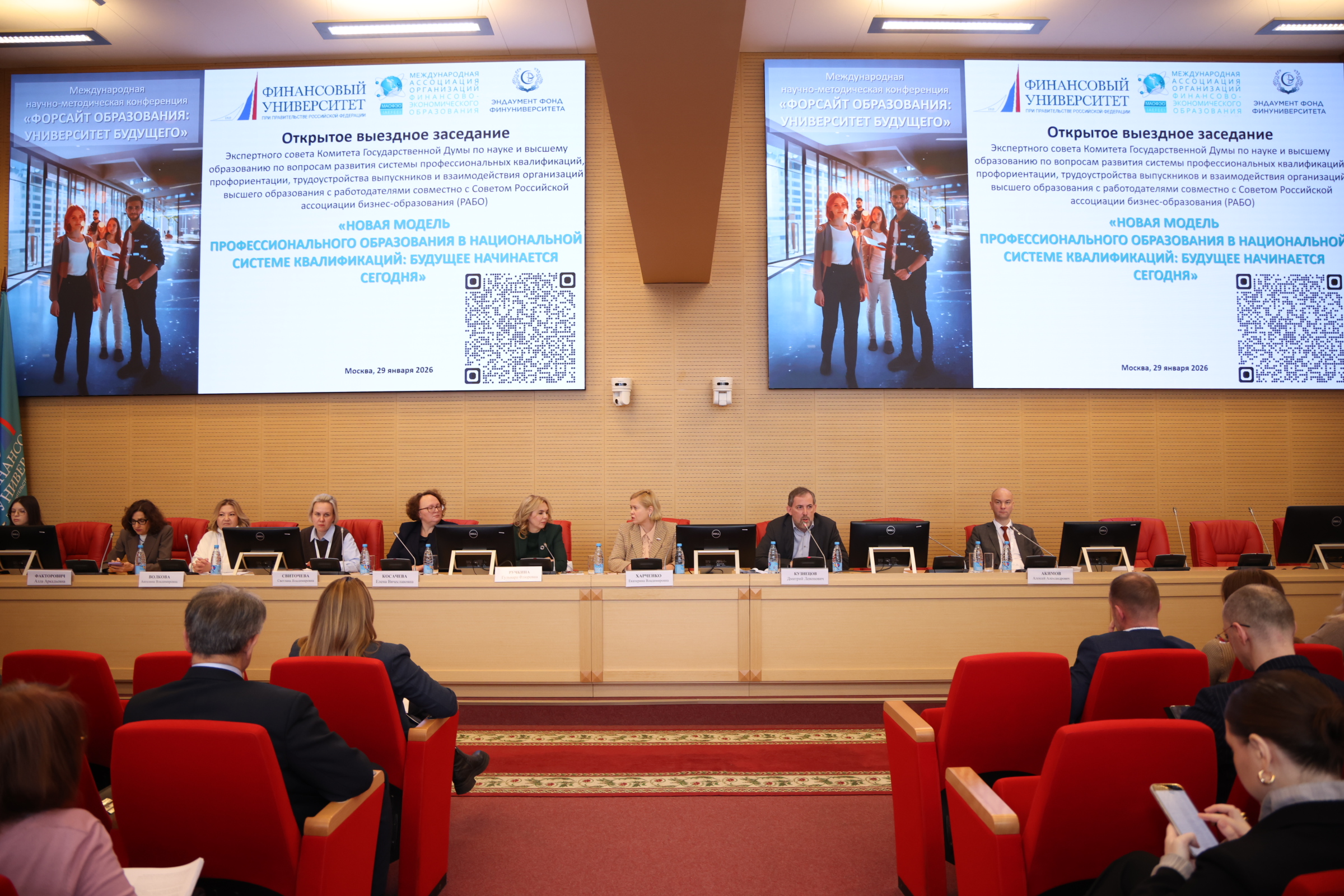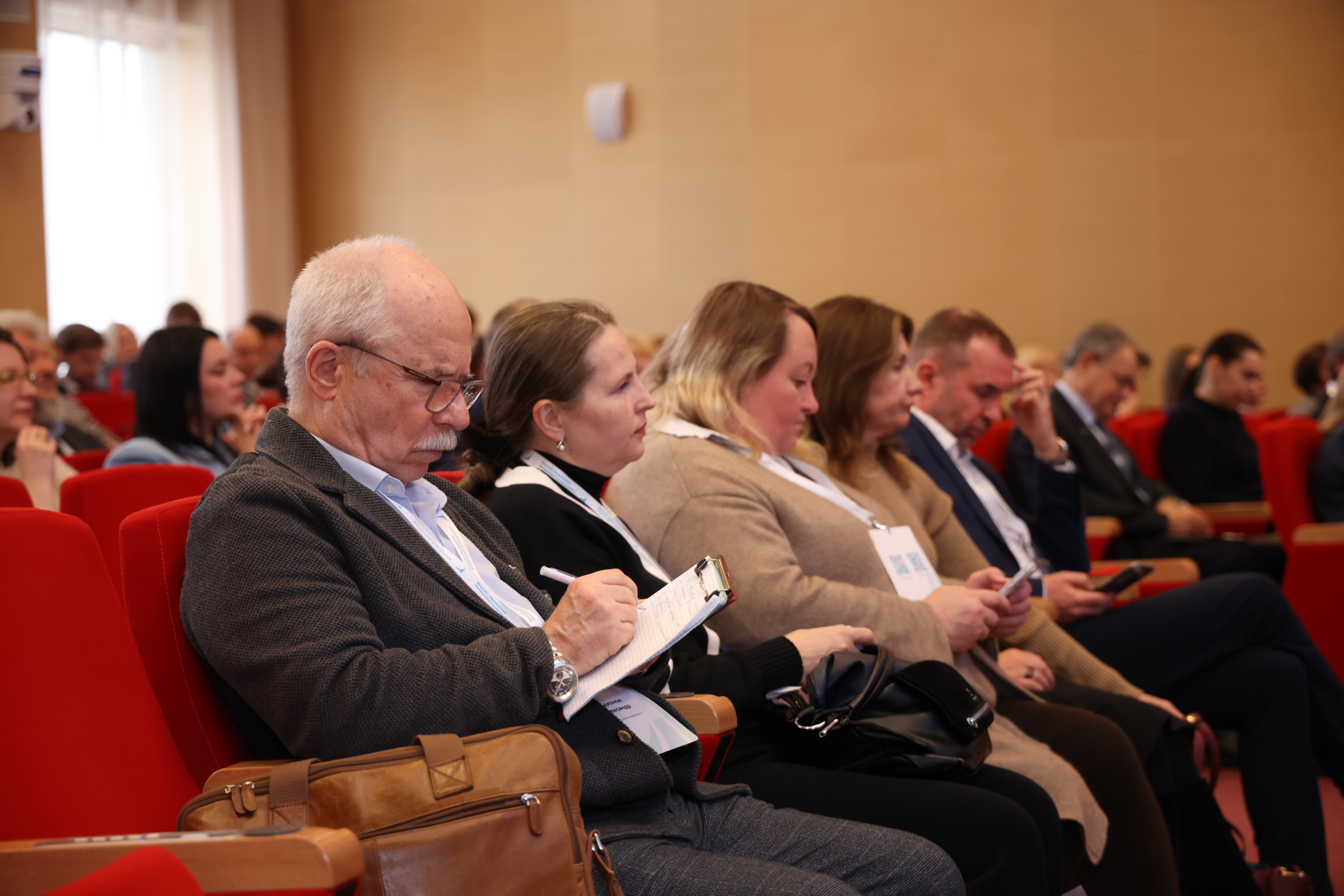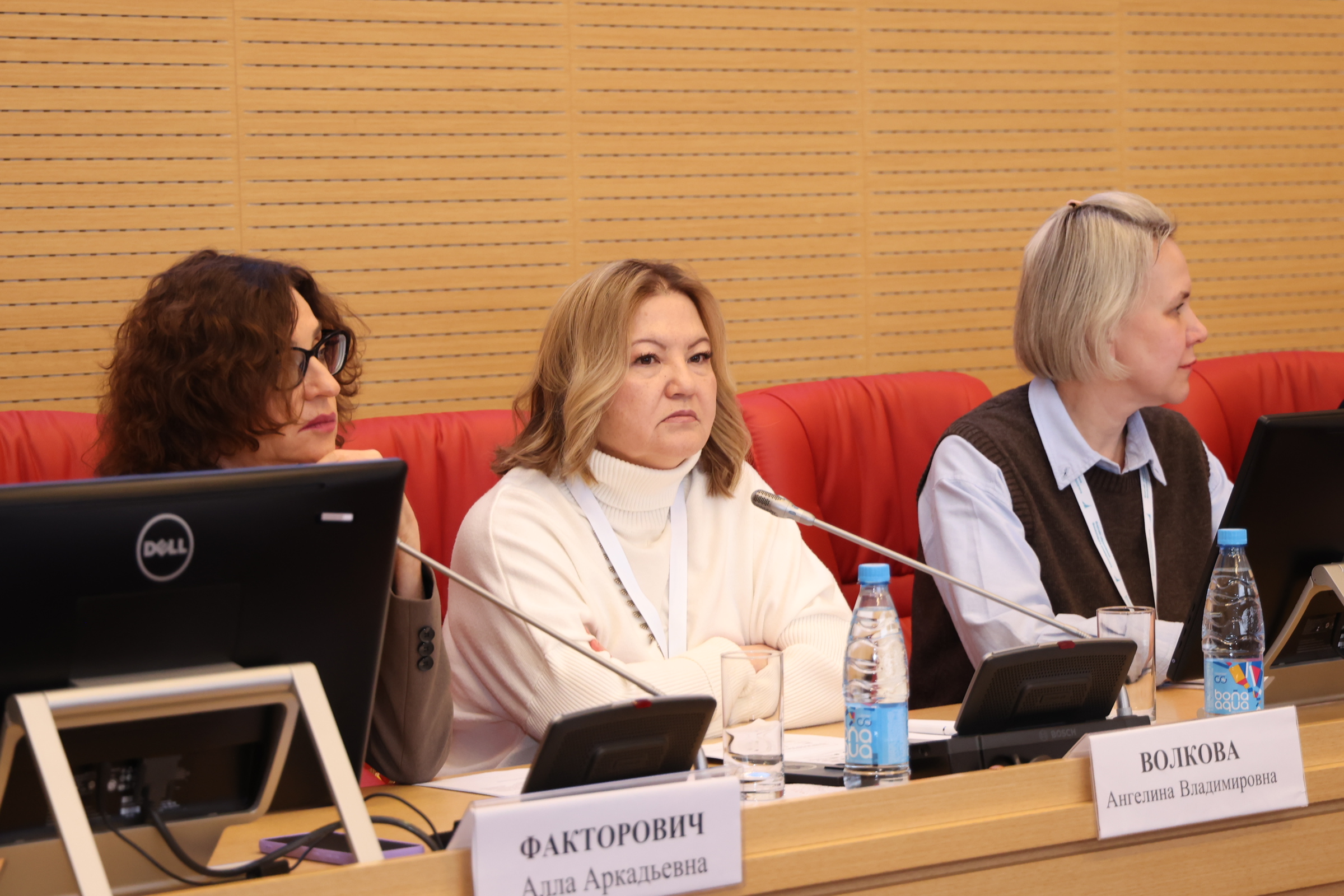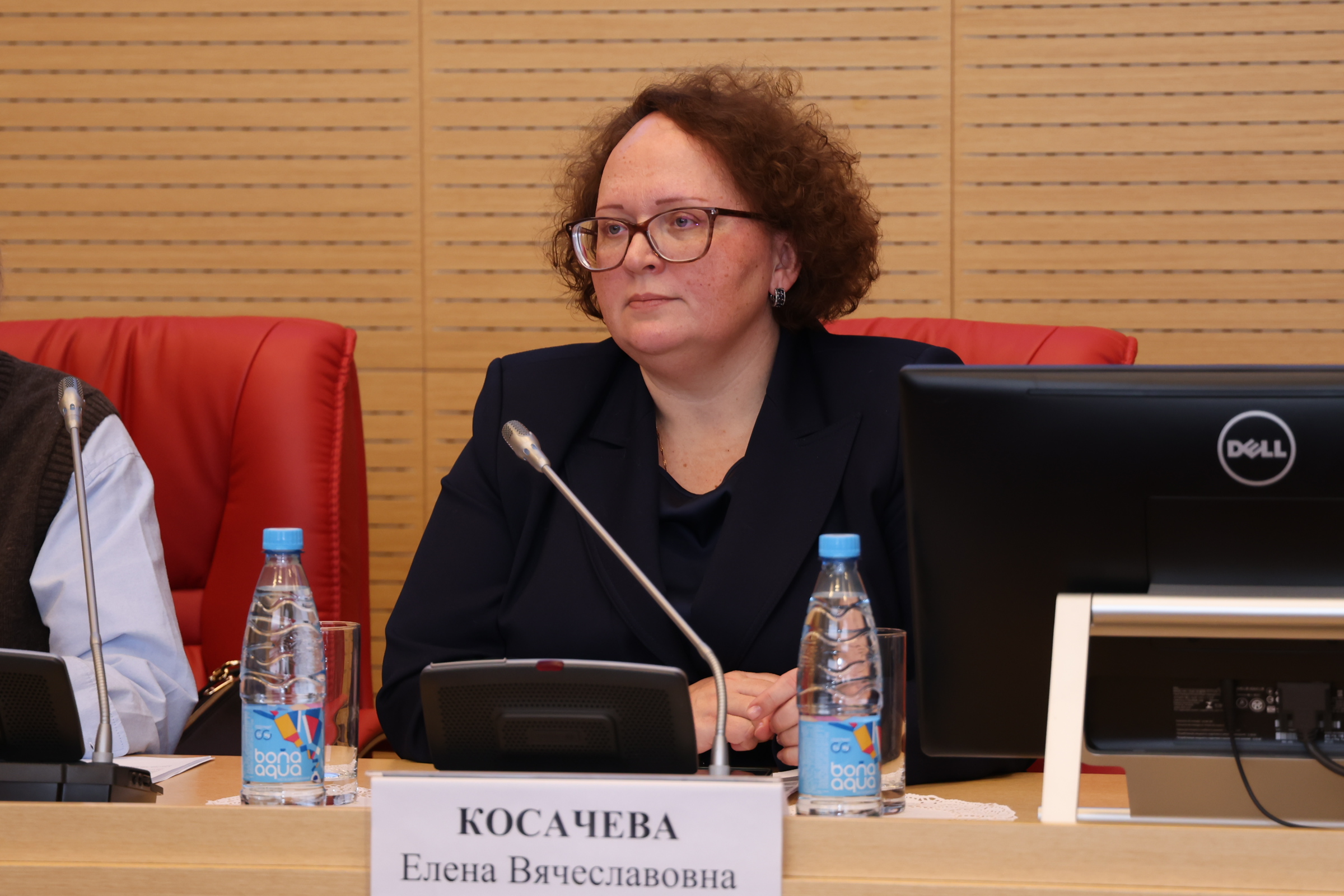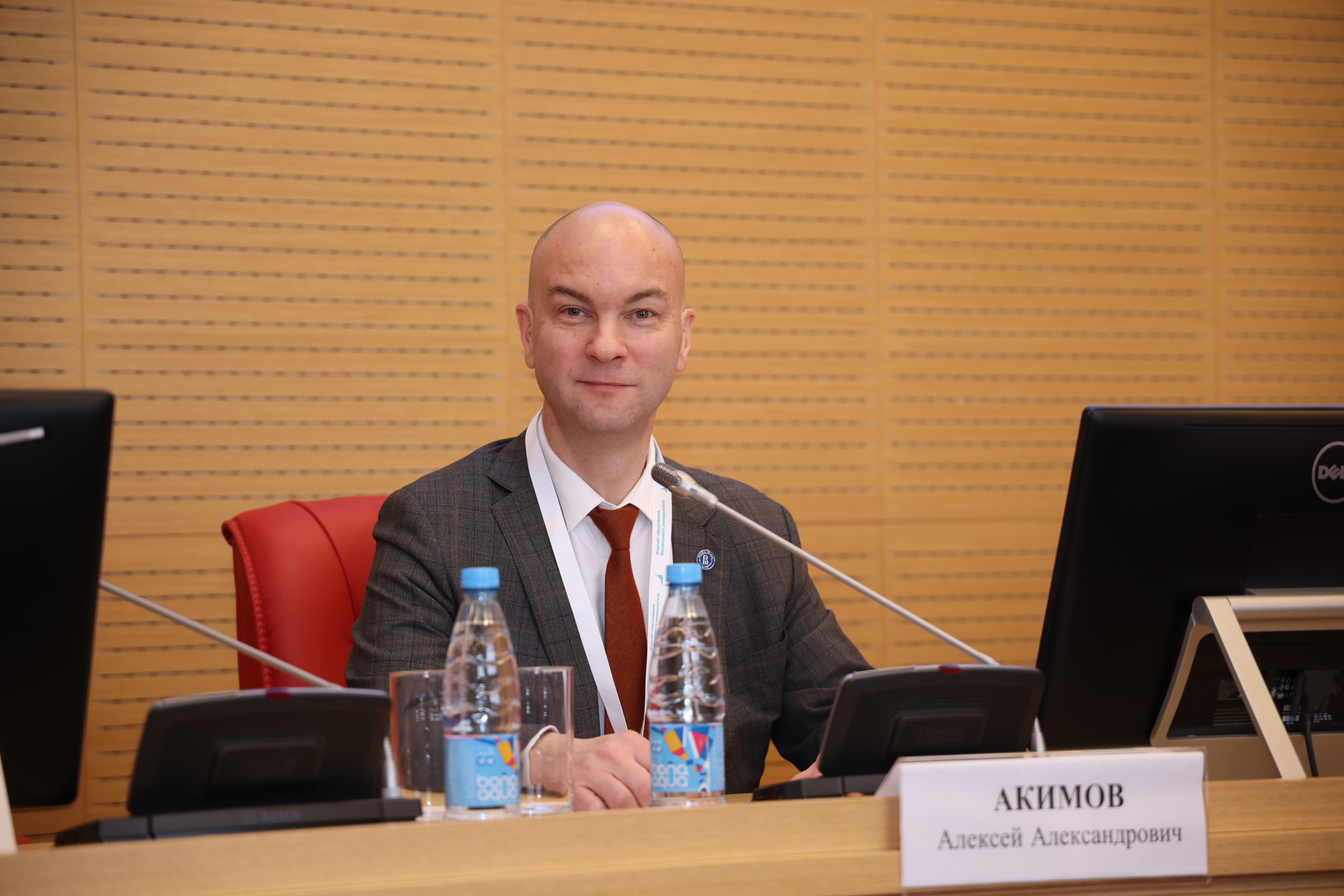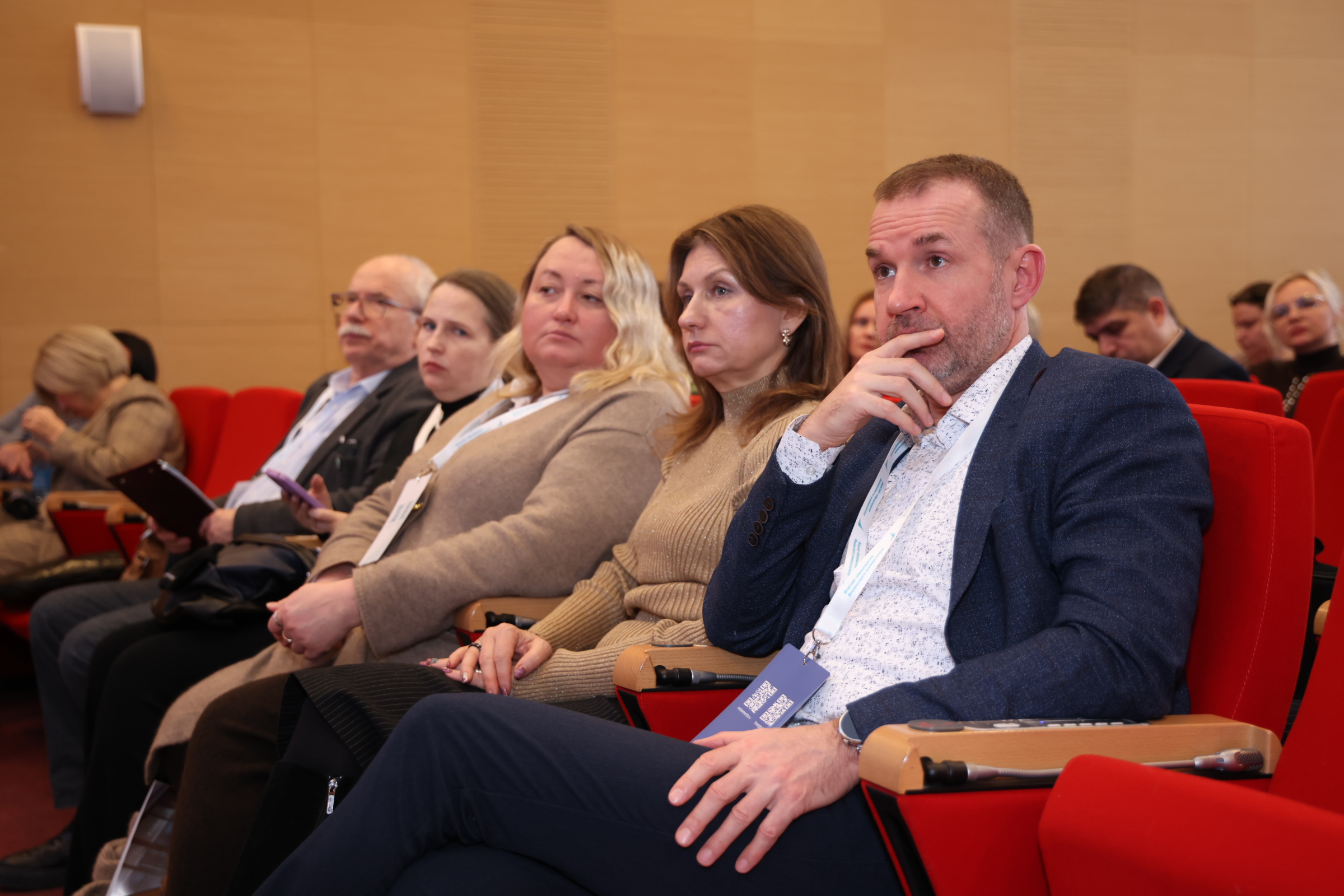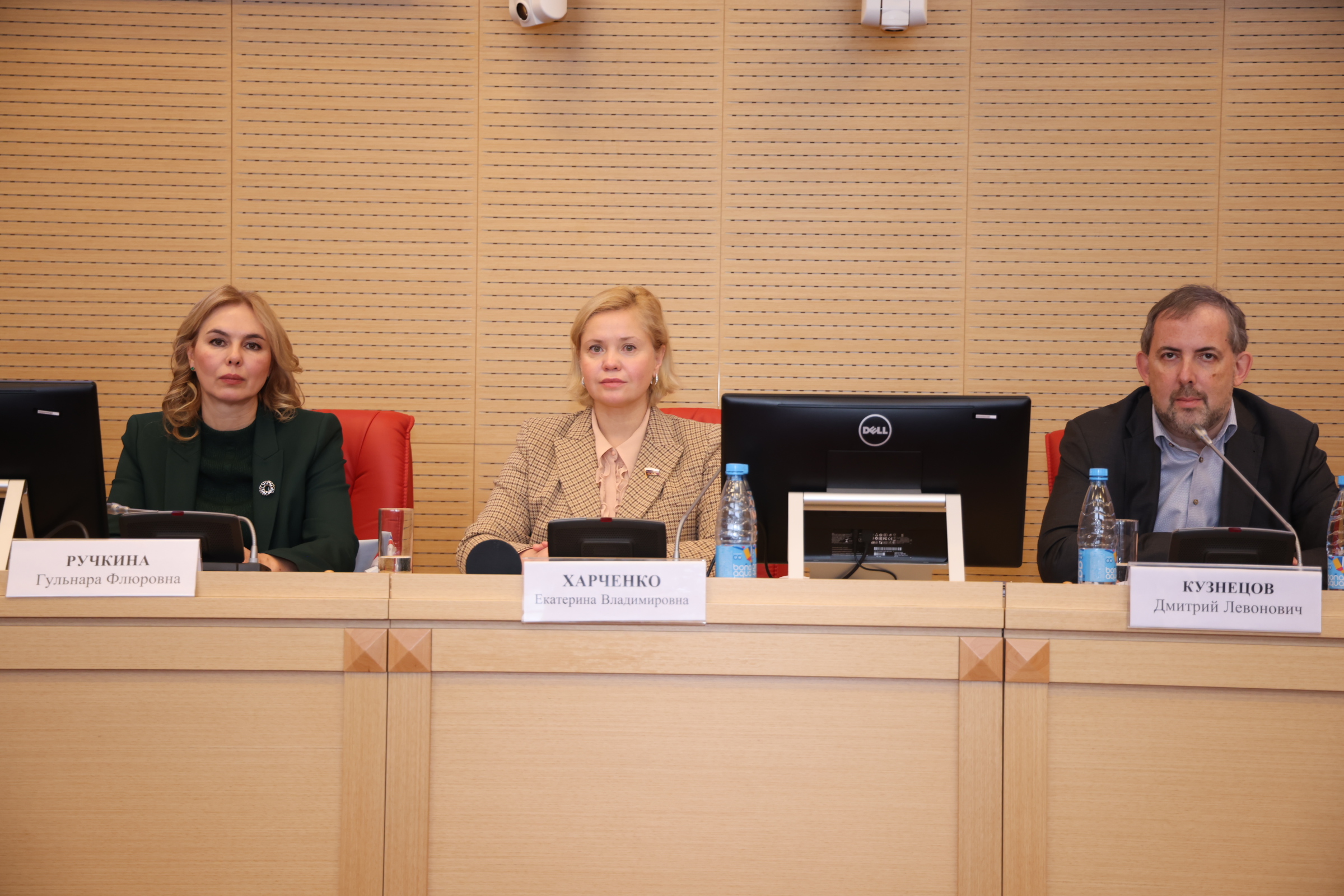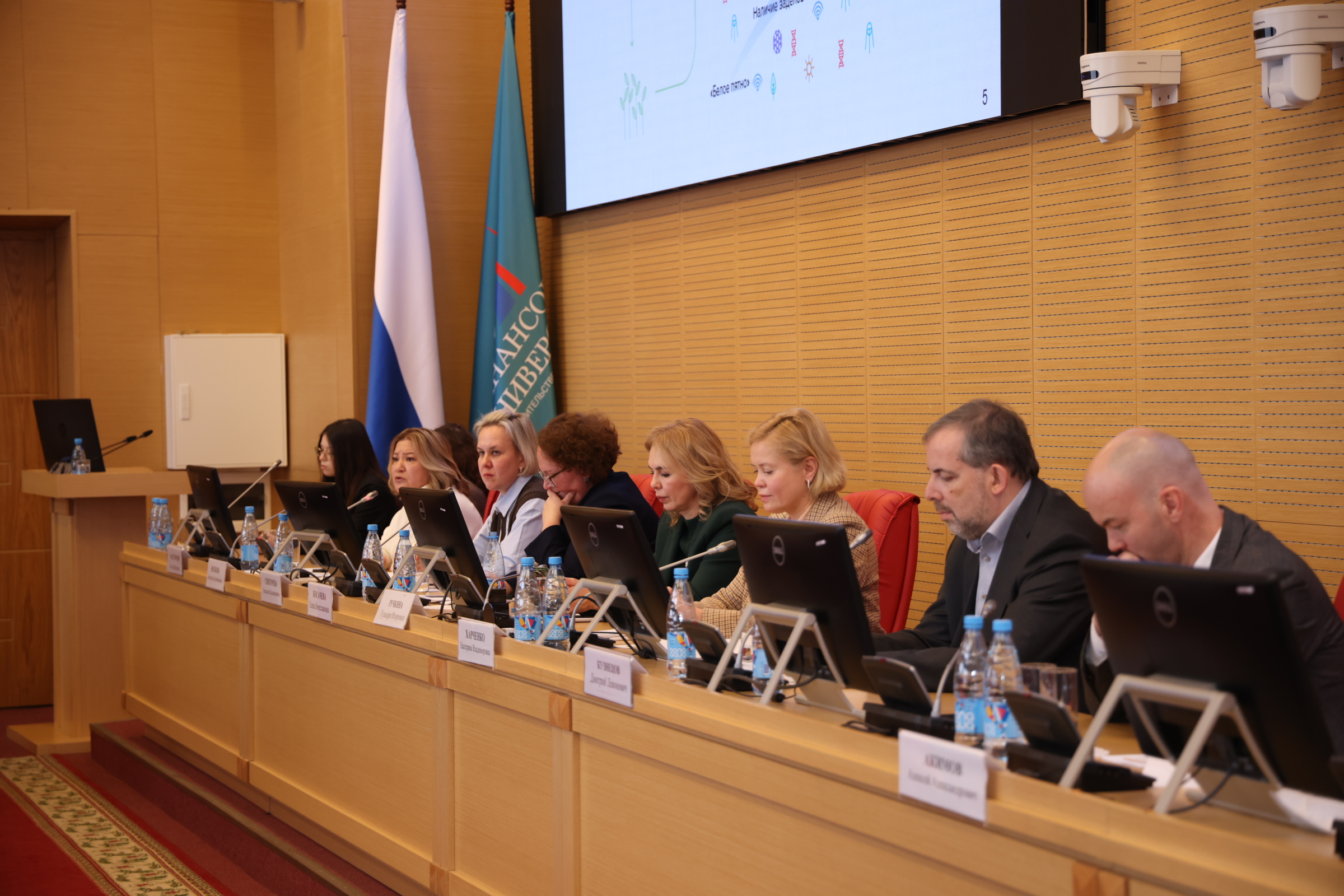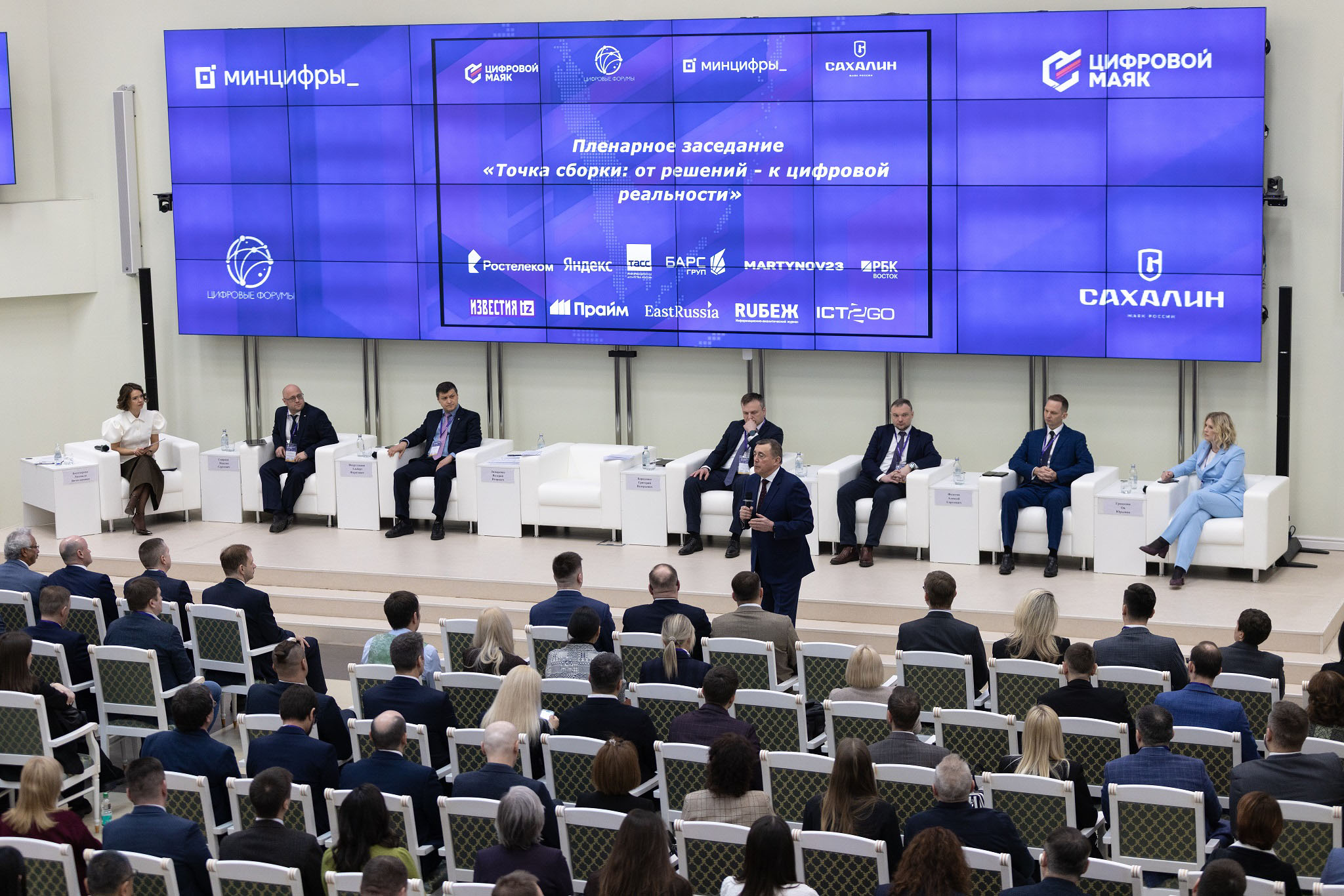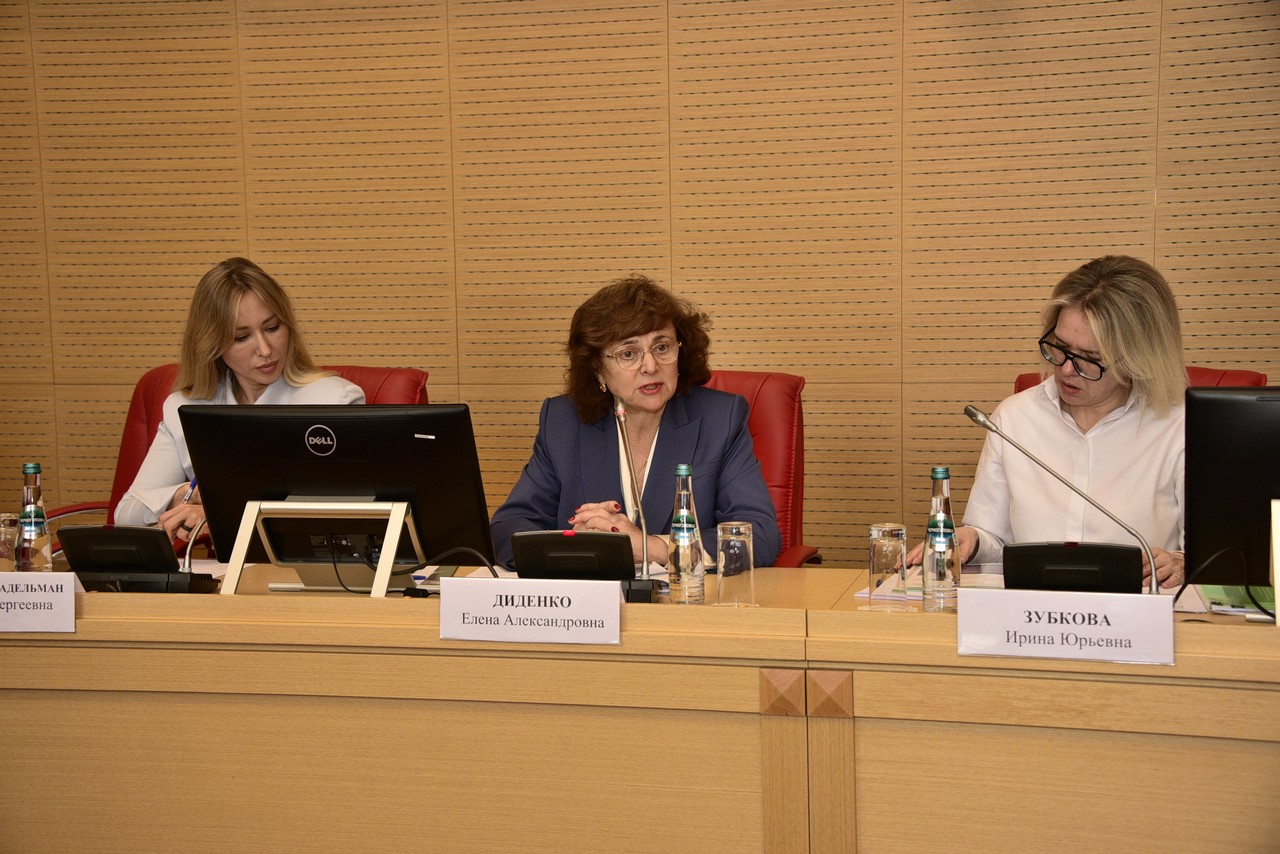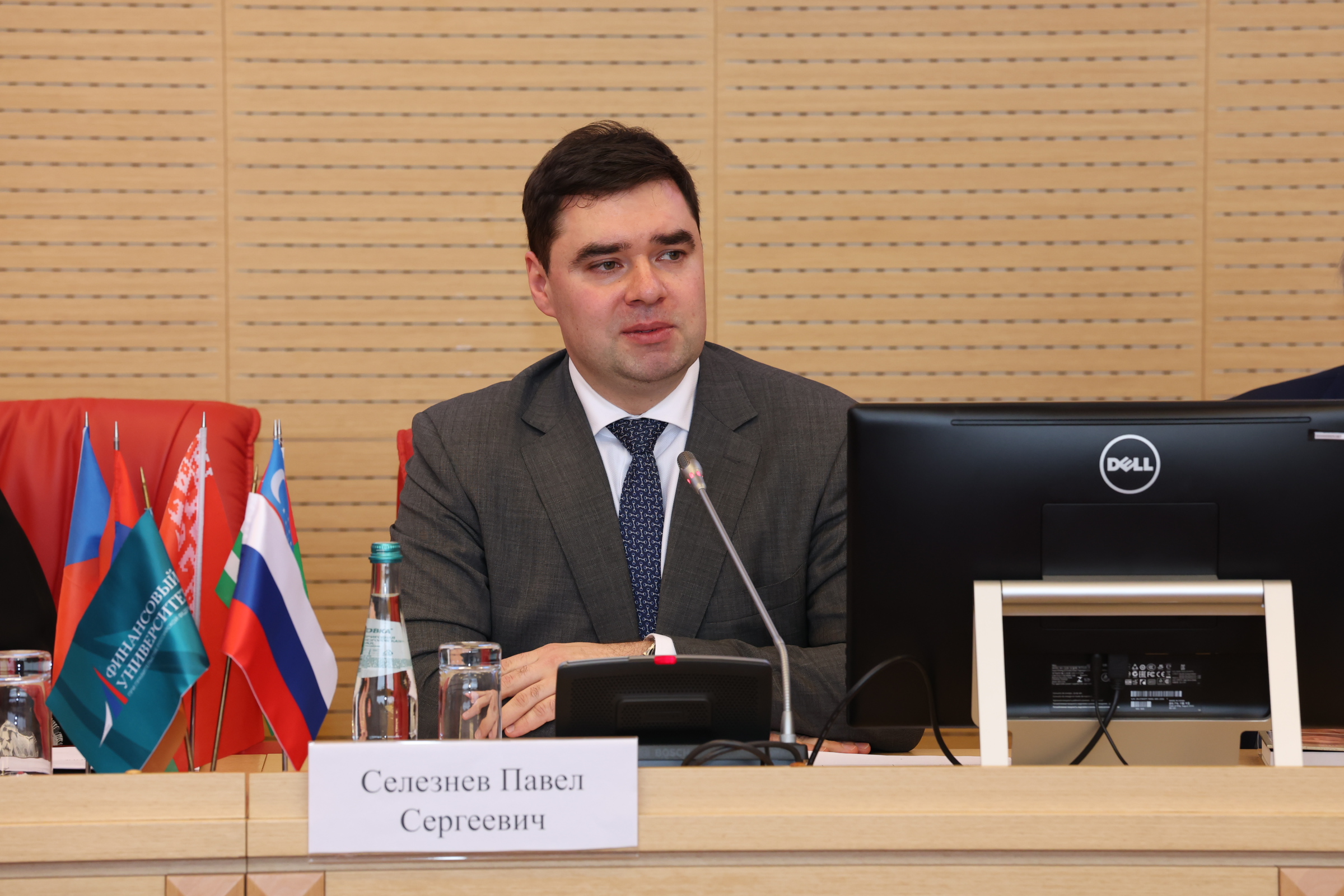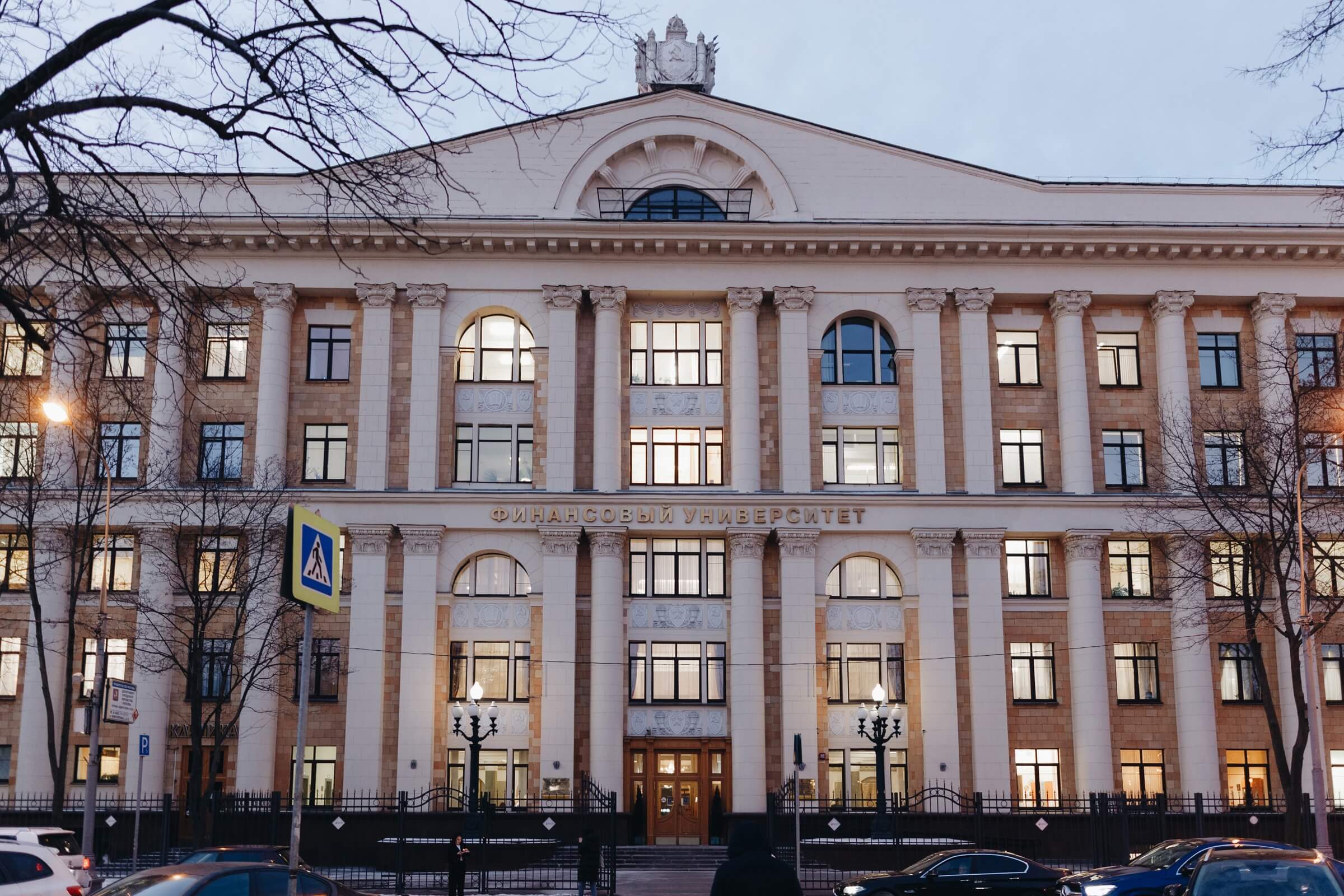
On January 29, 2026, within the framework of the International Scientific and Methodological Conference “Foresight in Education: The University of the Future,” an open field meeting of the Expert Council of the State Duma Committee on Science and Higher Education took place at the Financial University. The event focused on the development of professional qualification systems, career guidance, graduate employment, and cooperation between higher education organizations and employers, jointly with the Russian Association of Business Education (RABO). The session was titled “A New Model of Professional Education in the National Qualifications System: The Future Begins Today.”
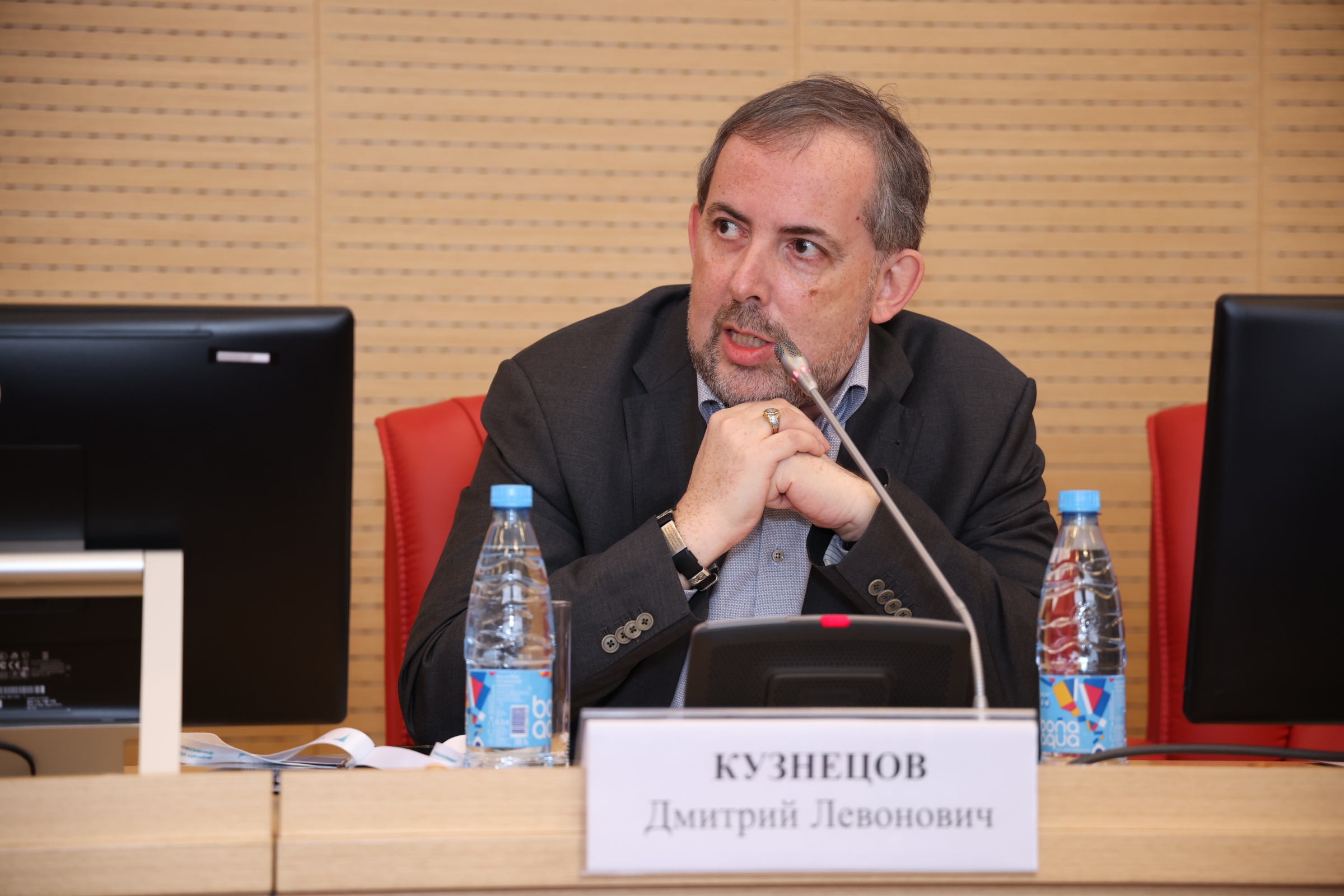
The meeting was moderated by Dmitry Kuznetsov, Chairman of the Expert Council under the State Duma Committee for Science and Higher Education on the development of professional qualification systems, career guidance, graduate employment, and collaboration with educational organizations. He is also the Director of the Higher School of Law and Administration at the National Research University Higher School of Economics (HSE).
“Monoprofessionalism of the 20th century has irrevocably gone into the past. The 21st century is the age of multiprofessionalism, where only those with three or four deep specializations will survive in the competitive labor market,” Kuznetsov emphasized. According to scientists’ calculations, today’s students, upon graduating from university, will acquire an average of seven to eight qualifications across various tracks during their lifetime. Such a level of training is seen as essential for ensuring the competitiveness of education.
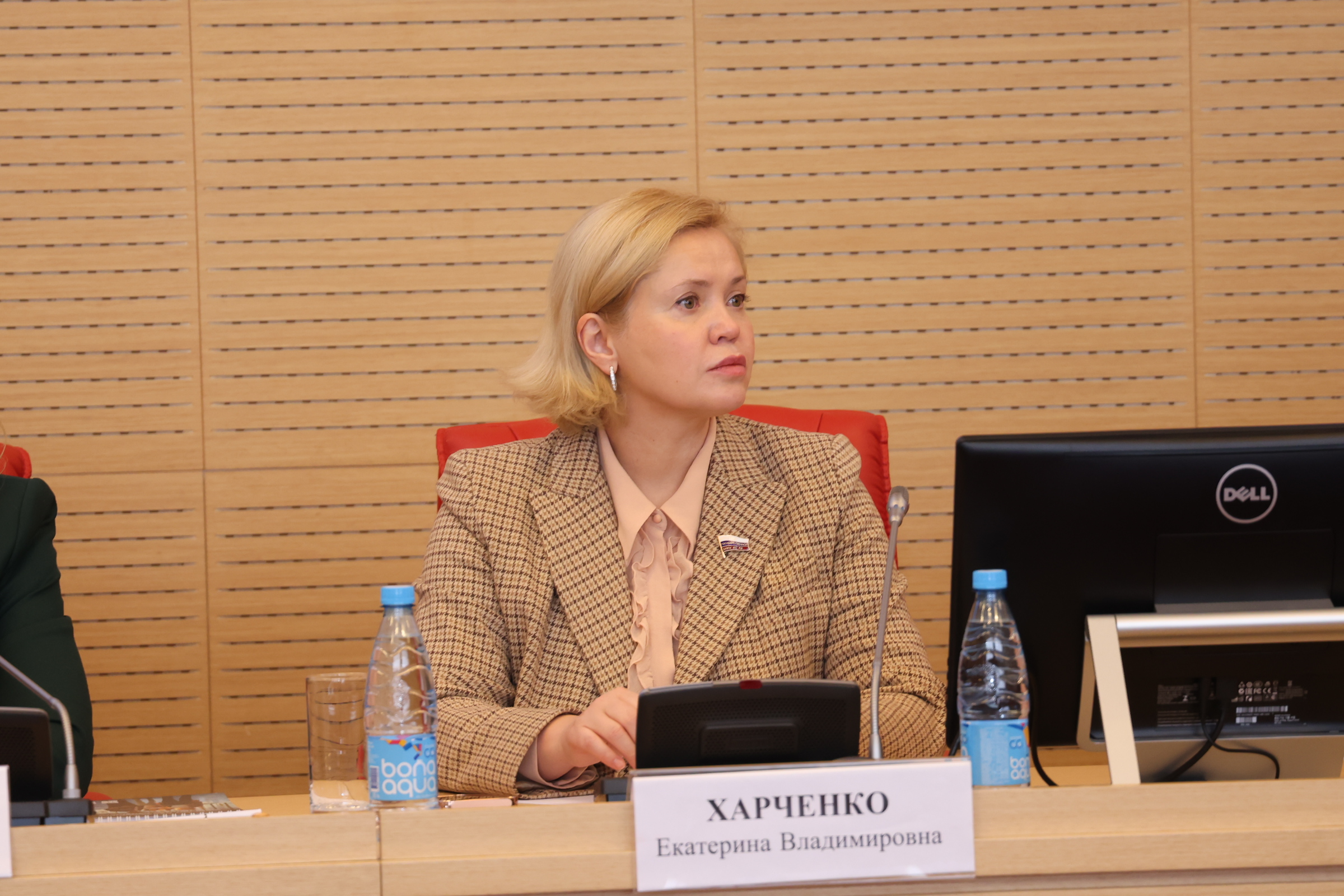
In her welcoming speech, Ekaterina Kharchenko, Deputy Chairwoman of the State Duma Committee for Science and Higher Education and curator of the Expert Council, remarked:
“Modern universities, combining traditional approaches with innovations, interdisciplinary studies, and project-based learning, are capable of creating a sustainable educational ecosystem. This will enable the development of specialists prepared for continuous learning across their careers.”
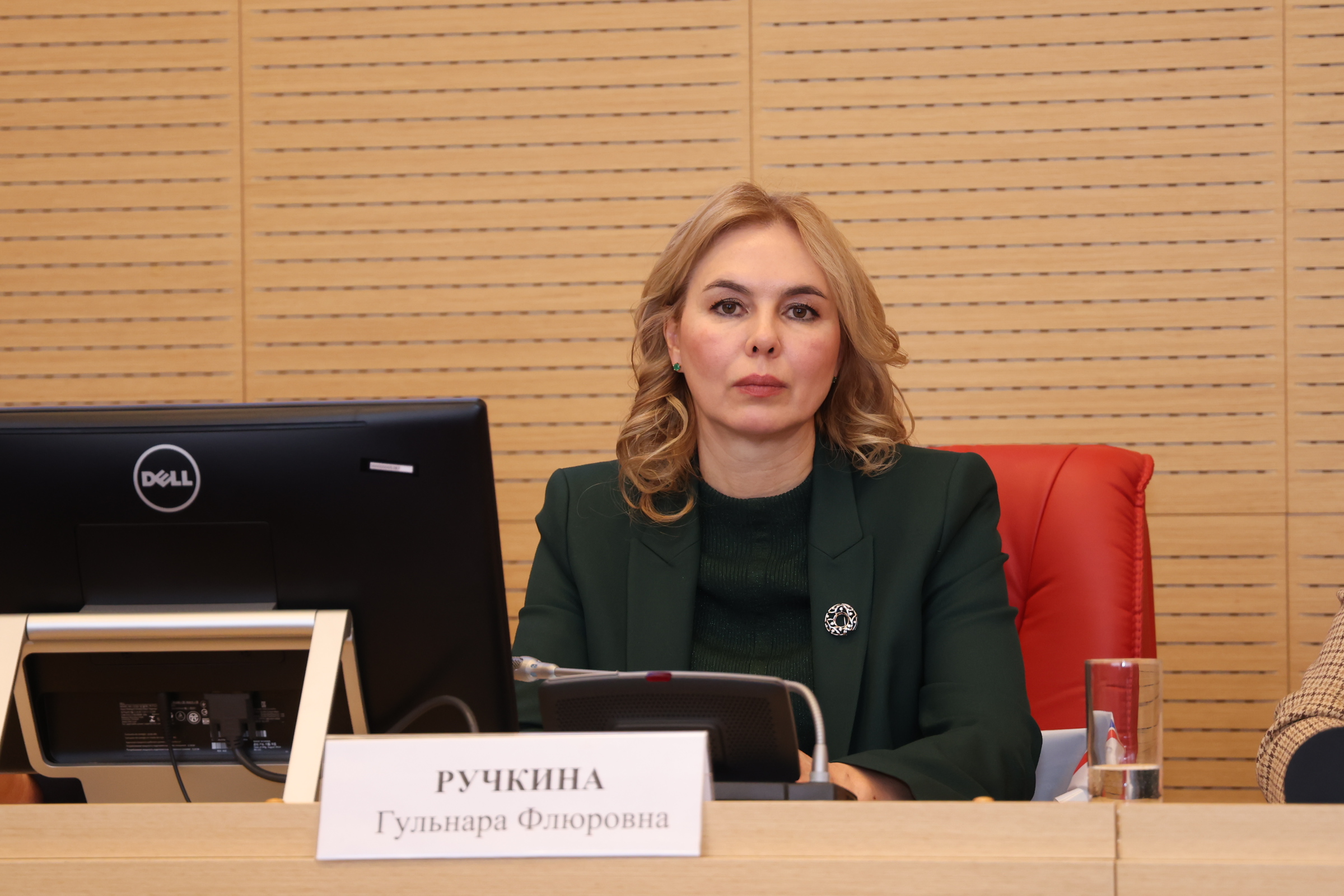
Gulnara Ruchkina, Dean of the Faculty of Law at the Financial University, Honored Lawyer of Russia, Corresponding Member of the Russian Academy of Education, and member of the Expert Council, presented on “The National Qualifications System in Russia as a Framework for Lifelong Learning: Challenges and Perspectives.” She highlighted the importance of building a system of continuous education as a strategic priority for higher education.
“It is essential to develop advanced training programs that preserve fundamental knowledge, systemic thinking, and academic depth. At the same time, flexibility and close ties with regional authorities are crucial. The key task is to make education effective and responsive to both current and future challenges,” Ruchkina noted.
During the session, experts presented reports on relevant topics in education development, including:
Alla Faktorovich, Deputy General Director of NARK and member of the Expert Council, on system transformation;
Elena Kosacheva, Head of Human Resources at Skolkovo Institute of Science and Technology and member of the Expert Council, on HR development;
Angelina Volkova, Secretary of the Working Group of the National Council under the President of Russia on professional qualifications, on institutional project design labs;
Aleksey Akimov, Director of the Institute of Personnel Administration at the Higher School of Law and Administration, and HR Director at Toriy Group;
Svetlana Svitocheva, Head of Digital Transformation for Innovation Projects.
The experts discussed the ongoing transformation of education and the labor market under the influence of artificial intelligence, the development of the national qualifications system, the emergence of digital and horizon-scanning professions, and the role of entrepreneurial universities and the evolution of HR professions in the context of current and future challenges.