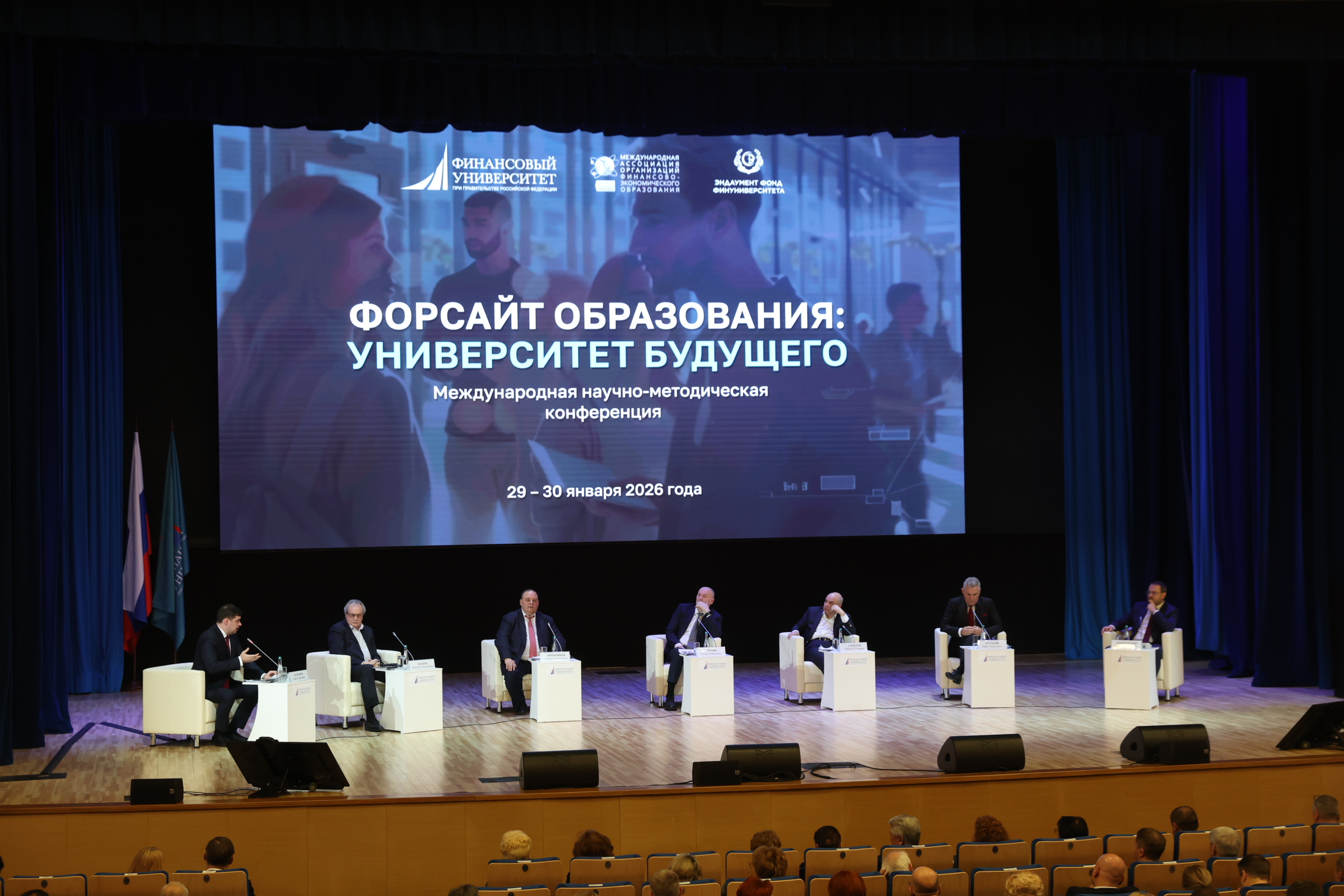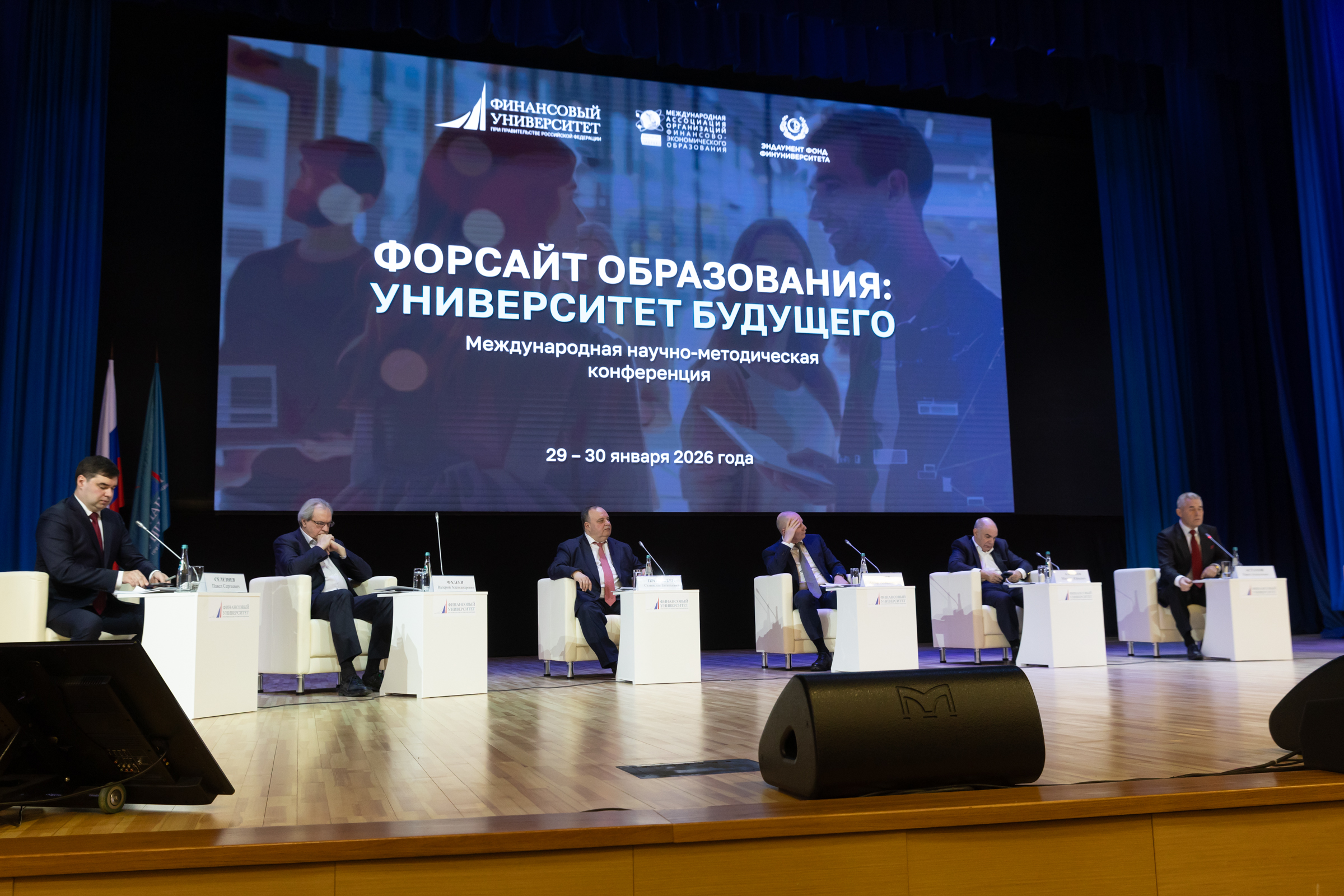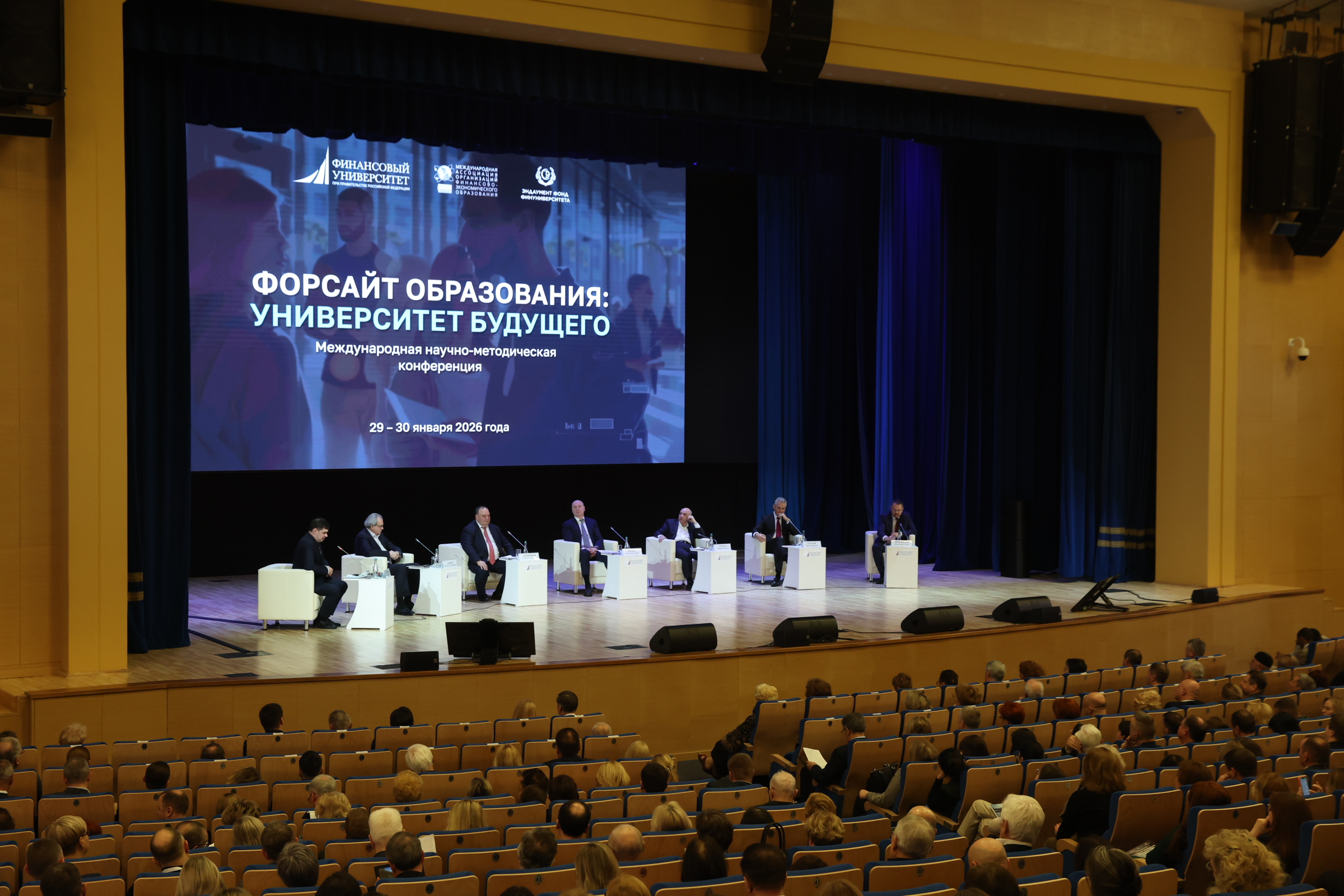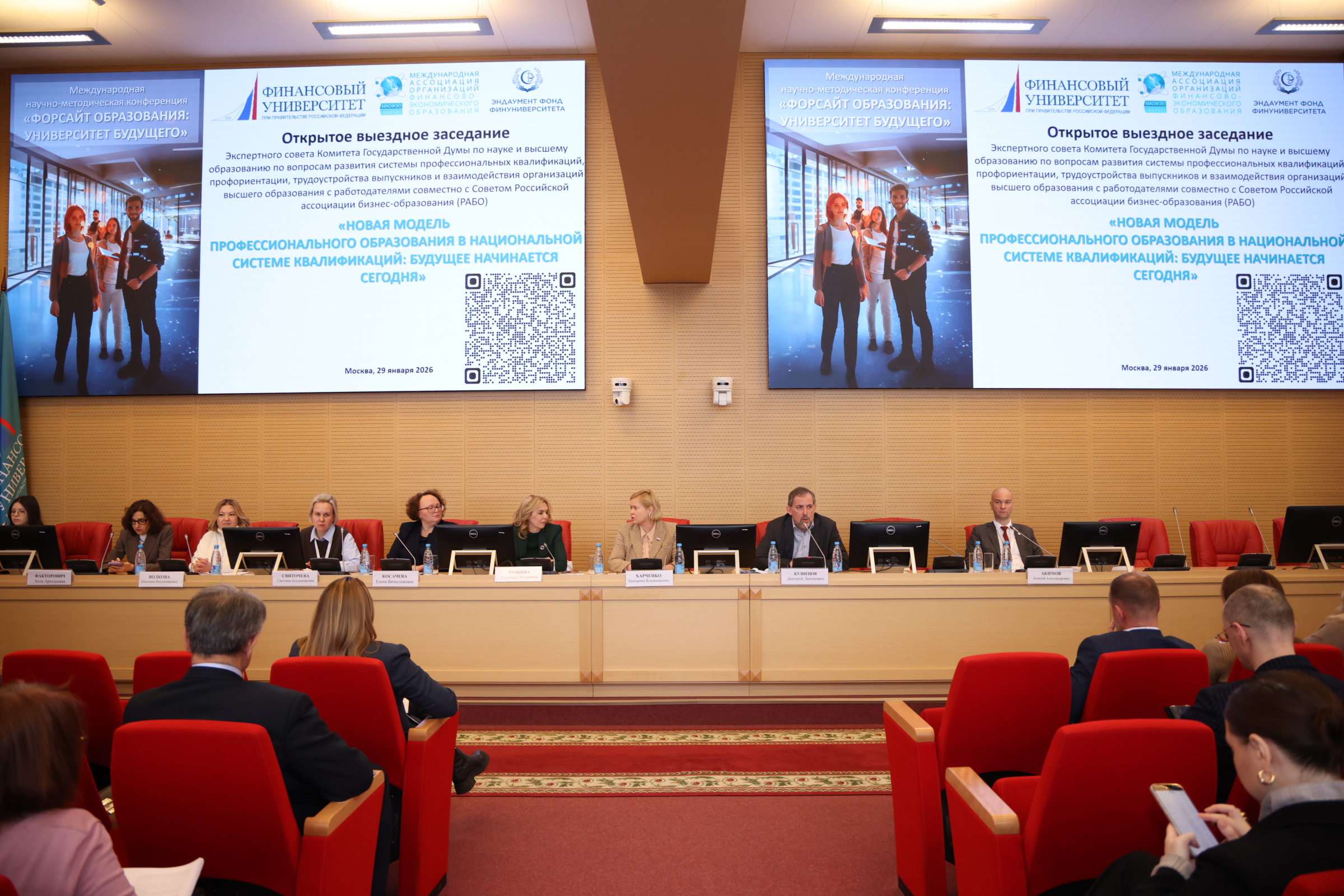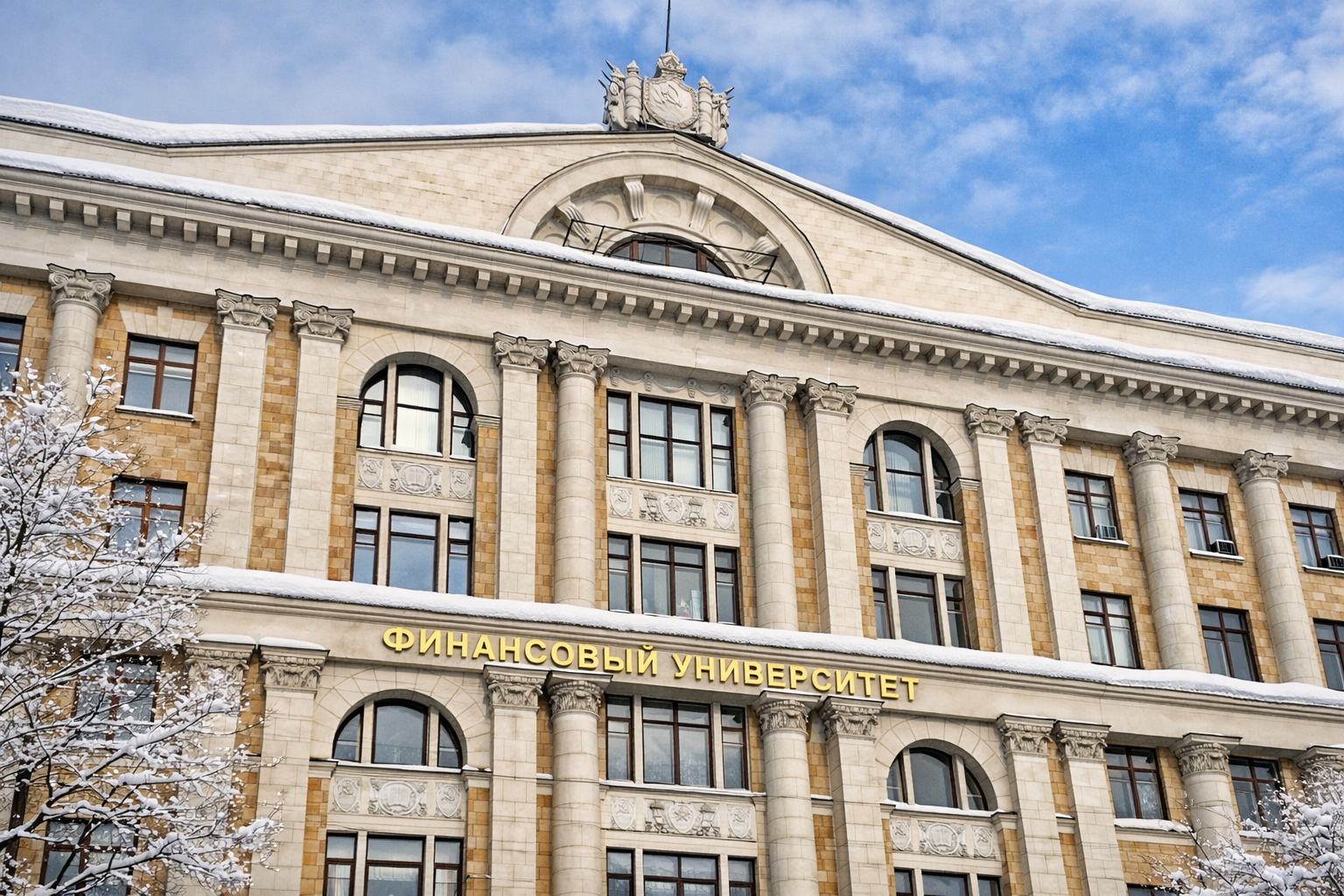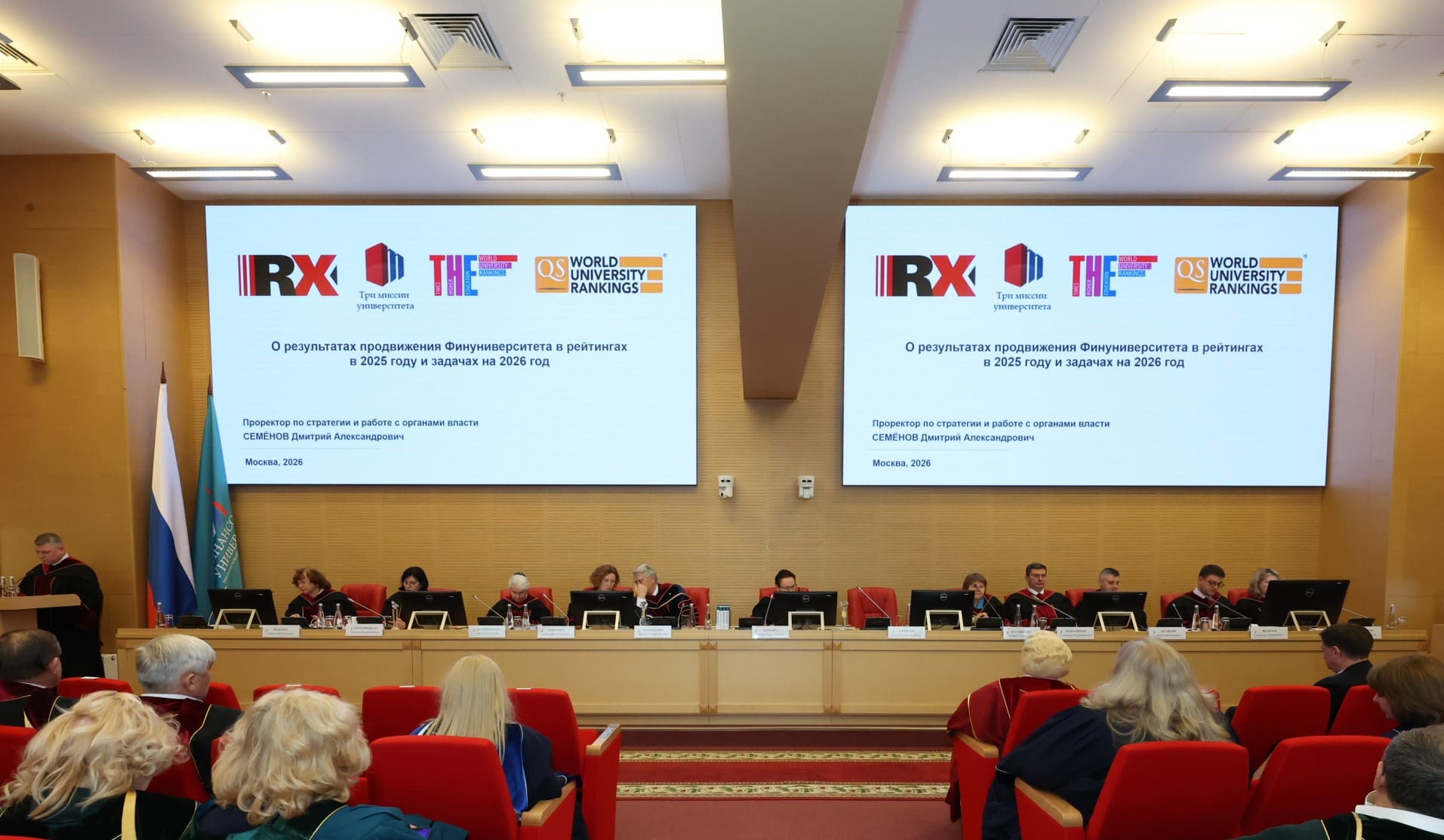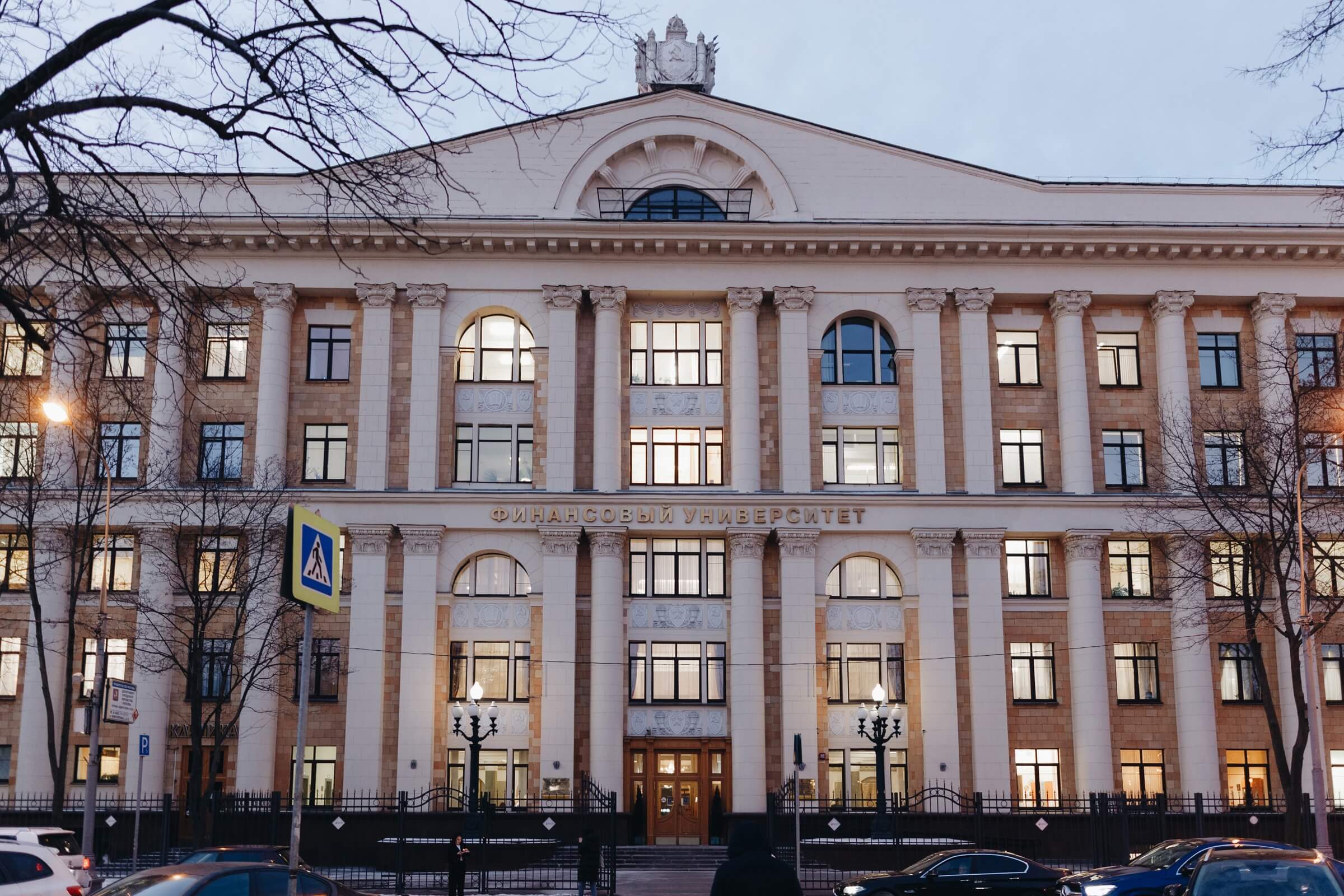
On January 29, 2026, the Financial University hosted the plenary session of the traditional International Scientific and Methodological Conference “Foresight in Education: The University of the Future.” This year's central theme of the plenary session was “Education 4.0: Shaping the Leaders of Tomorrow.”
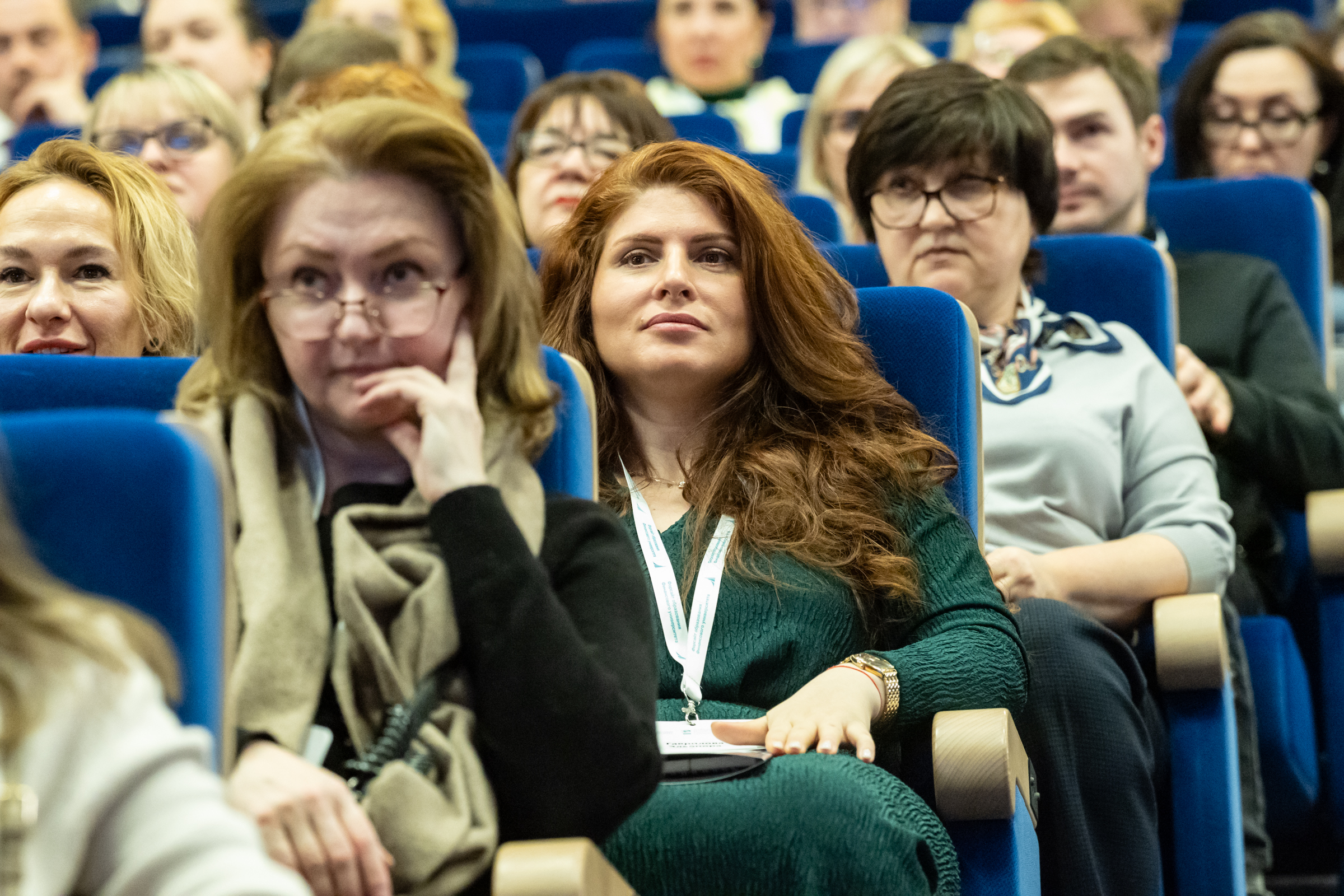
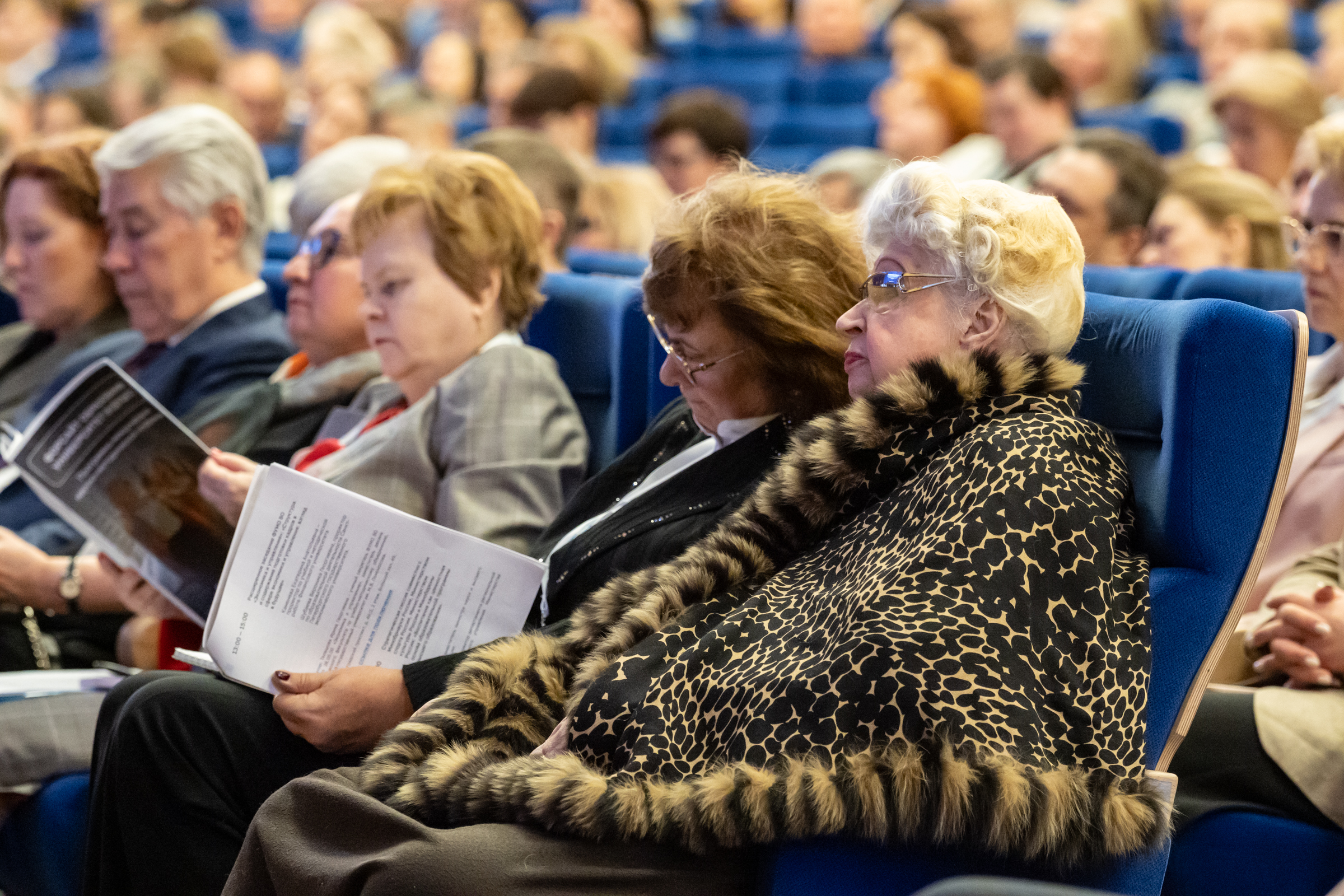
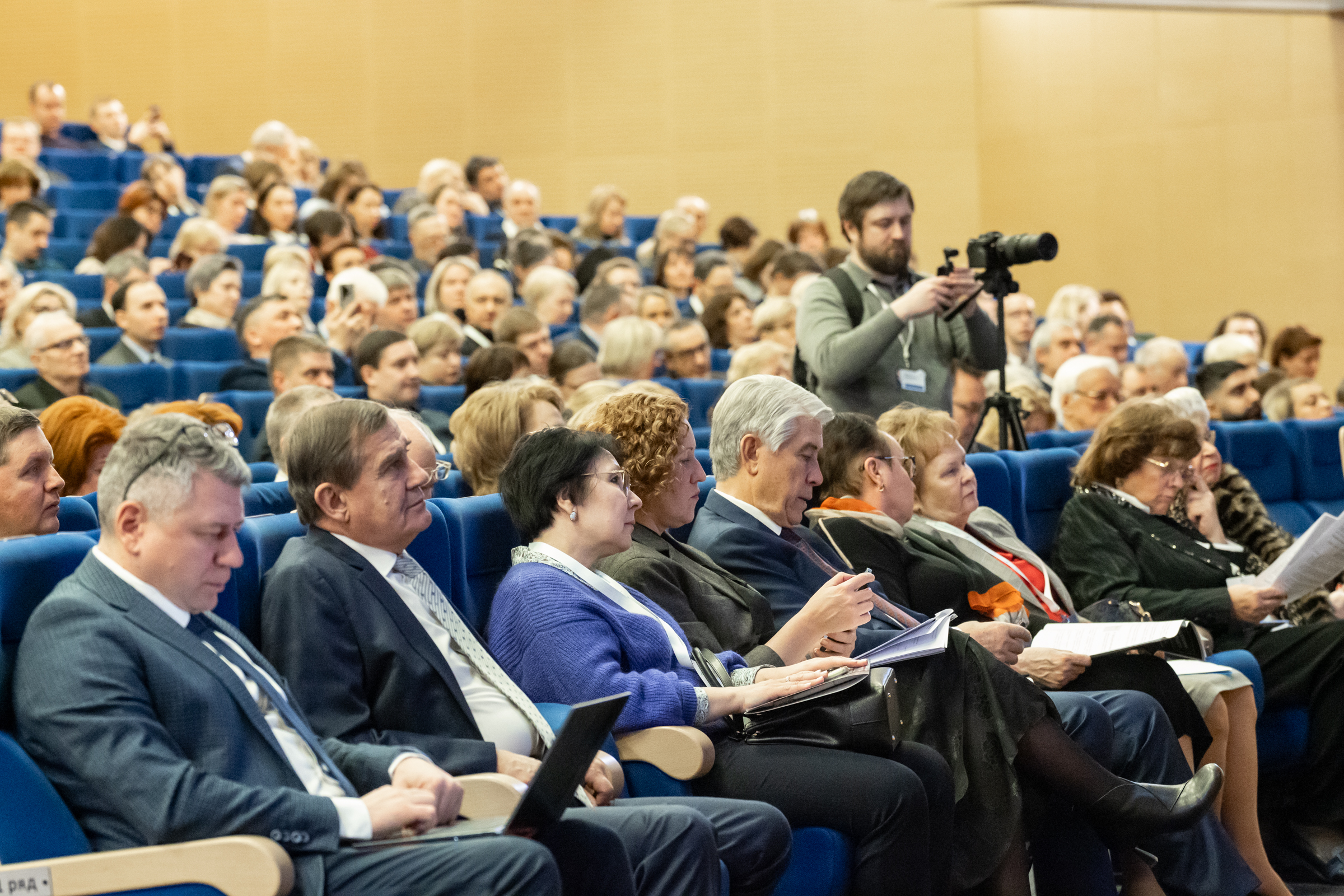
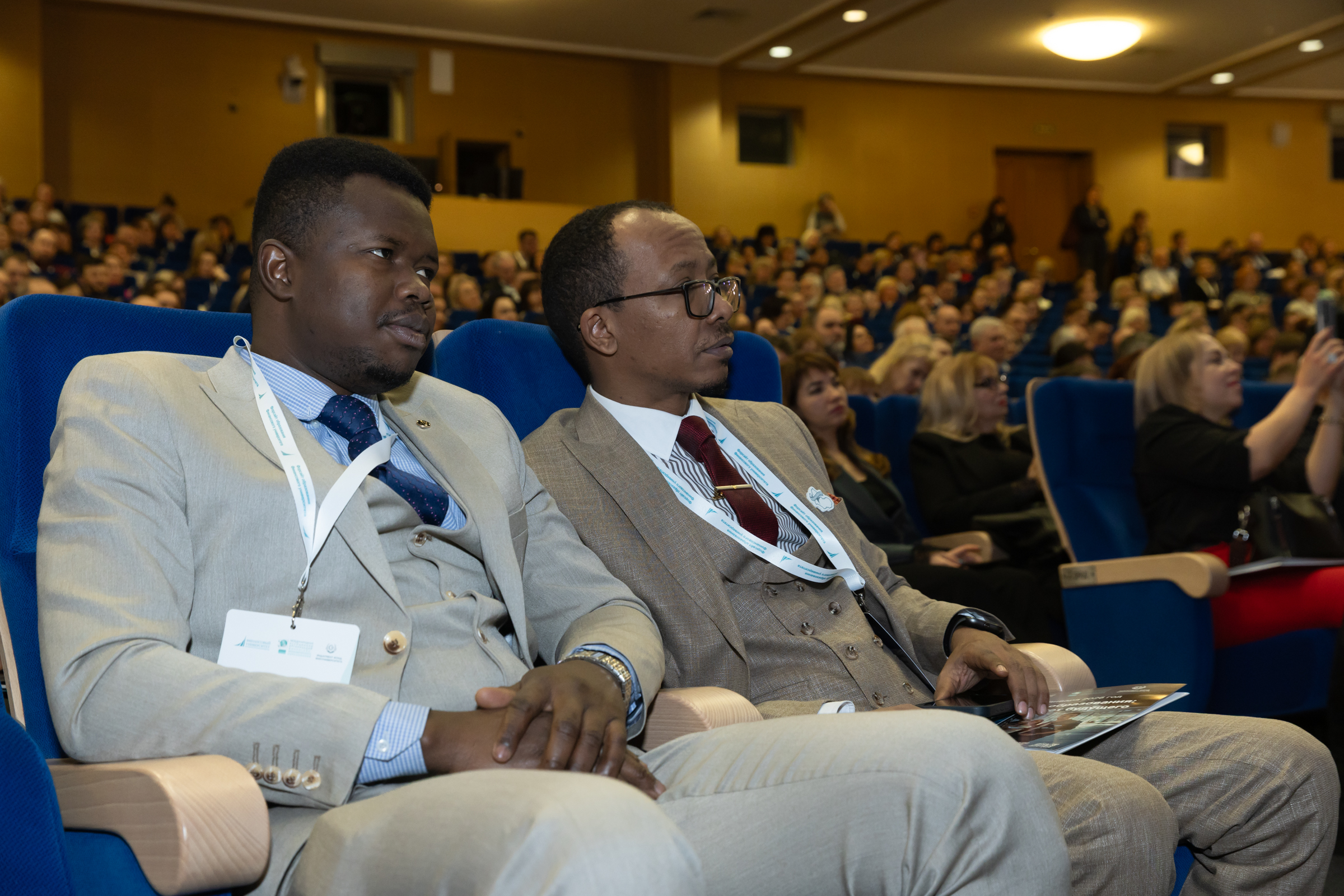
The discussion platform gathered over 3,000 participants — representatives from education, science, and business from various regions across the country and 10 foreign countries. The focus of experts' attention was on changes in domestic higher education driven not only by the rapid development of digital technologies and artificial intelligence but also by the need to implement national projects aimed at ensuring the country’s technological sovereignty. Participants discussed the upcoming transition to a new model of a sovereign education system, one of whose main objectives is to cultivate a generation of leaders and professionals ready to build Russia’s high-tech economy.
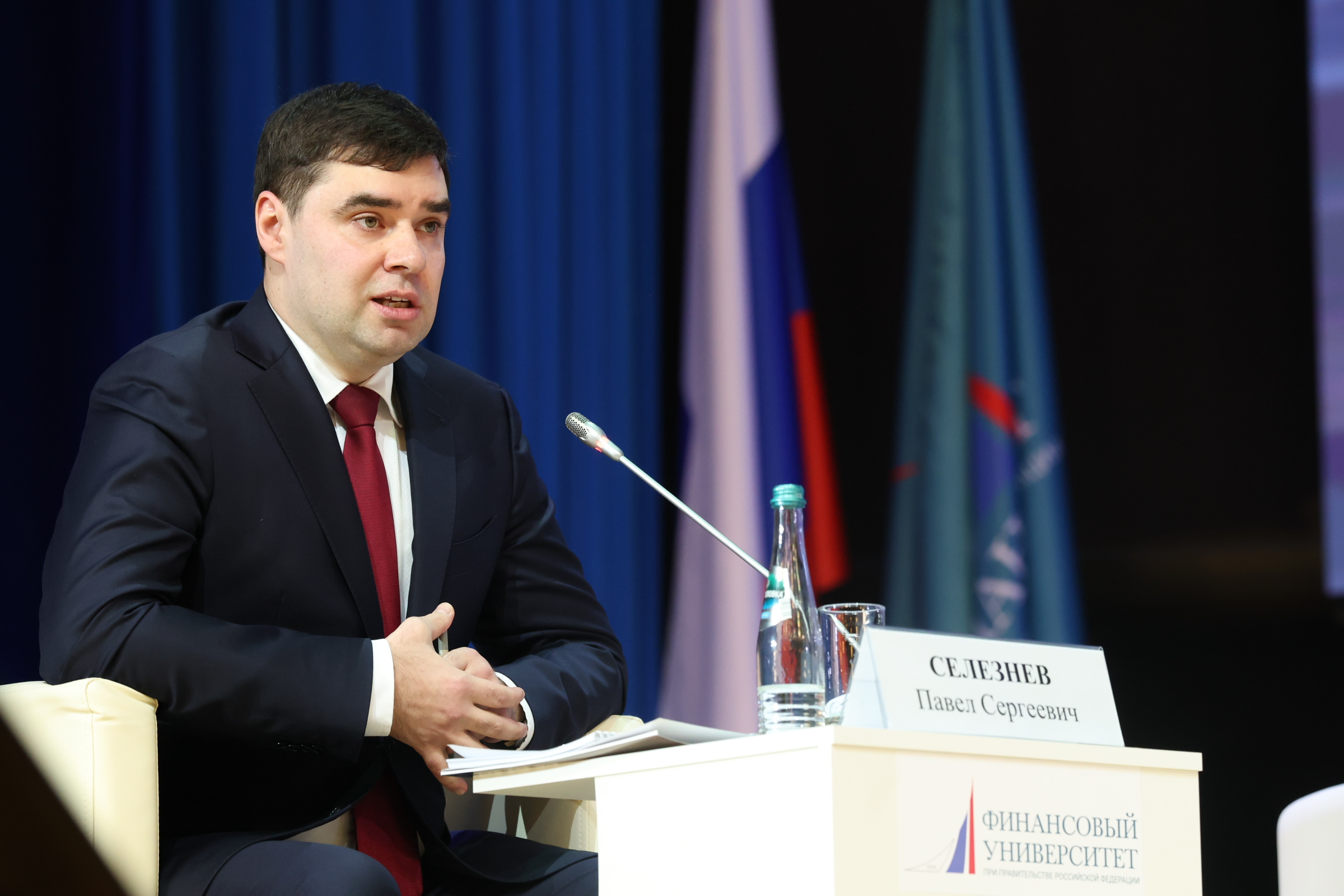
The moderator of the discussion, Dean of the Faculty of International Economic Relations, Pavel Seleznev, opened the session by emphasizing that the foundation of tomorrow’s country is being laid today. The responsibility for training the new generation lies with the education system — schools and universities.
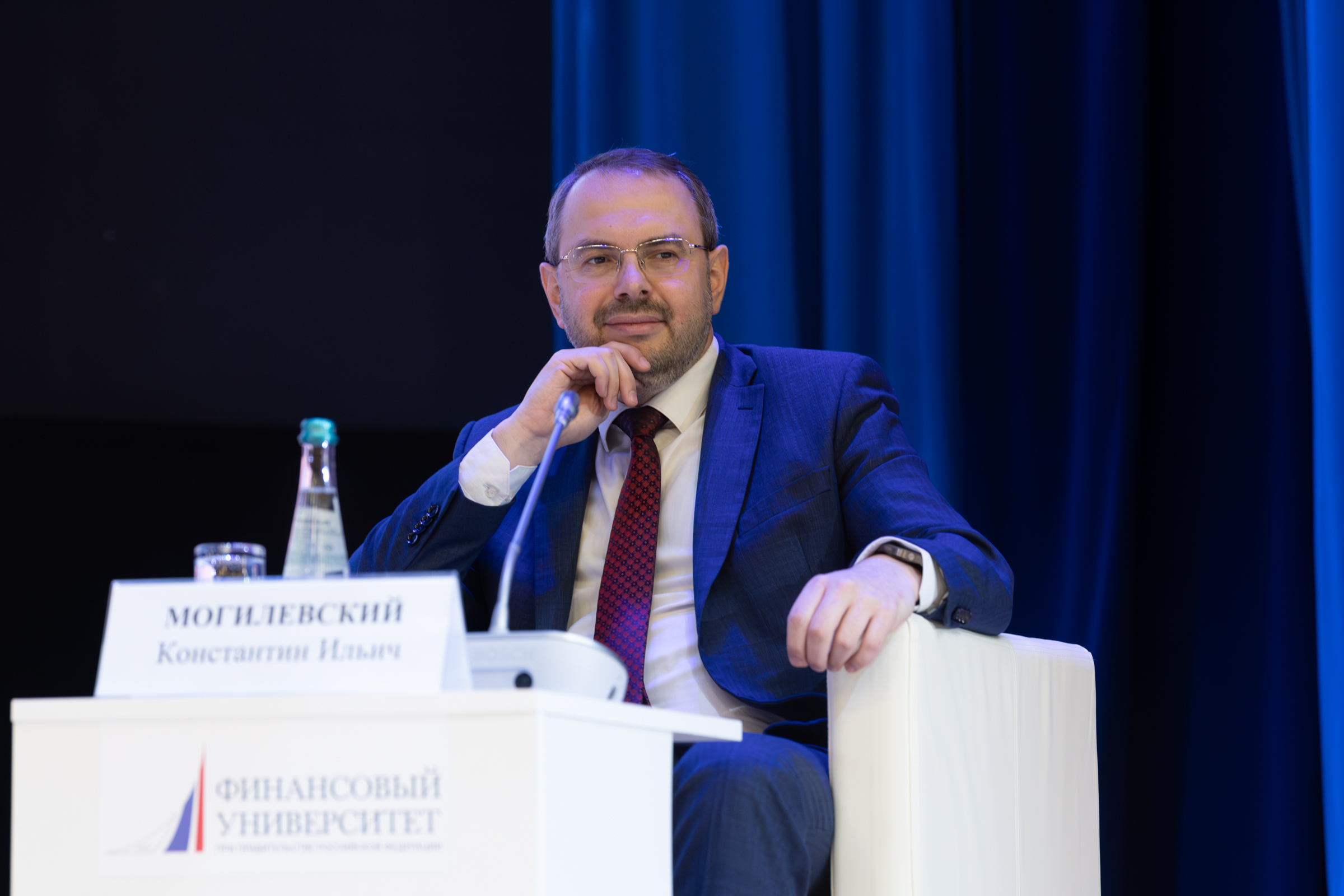
The role of universities in developing future leaders was highlighted by Konstantin Mogilevskiy, Deputy Minister of Science and Higher Education of the Russian Federation: “Leaders are not born — they are made. The university is a key environment where these qualities can be nurtured. Higher education institutions should be directly connected to the needs of the economy and the country at large, sensing the 'pulse of the national life.' Only then will we prepare those who will lead enterprises and teams forward. The role of educators in this is to be living role models — individuals who are connected to reality and, through their example of continuous development, inspire students.”
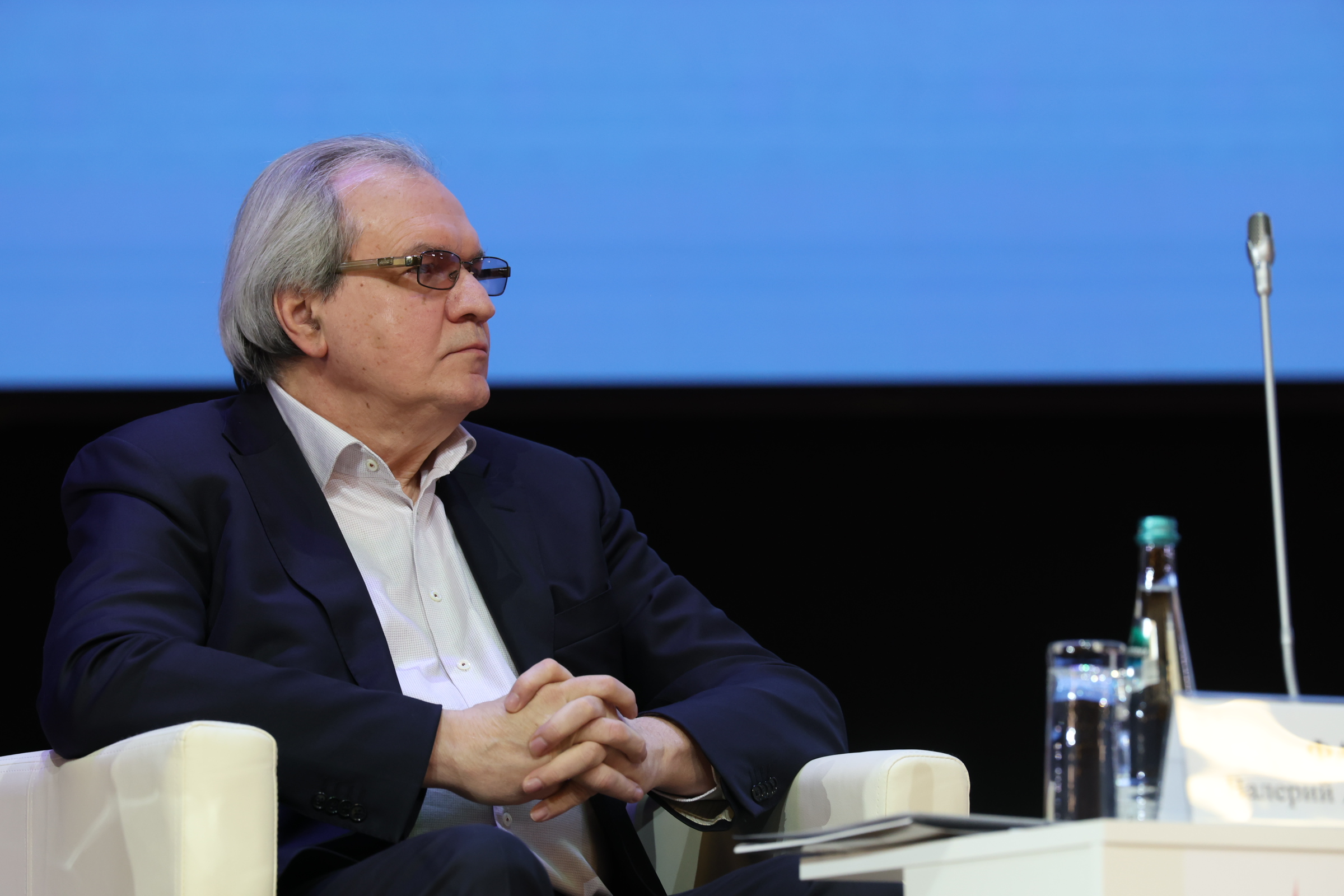
Valery Fadeev, Adviser to the President of Russia and Chairman of the Presidential Council for Civil Society Development and Human Rights, noted: “To prepare a leader, it’s not enough just to teach theory. It is essential to develop a comprehensive historical-economic mindset capable of distinguishing practical models from ideological myths. The leader of the future must understand the world in all its complexity — from the laws of competition to the mechanics of hegemony — and only such enlightenment can form the basis for responsible decision-making.”
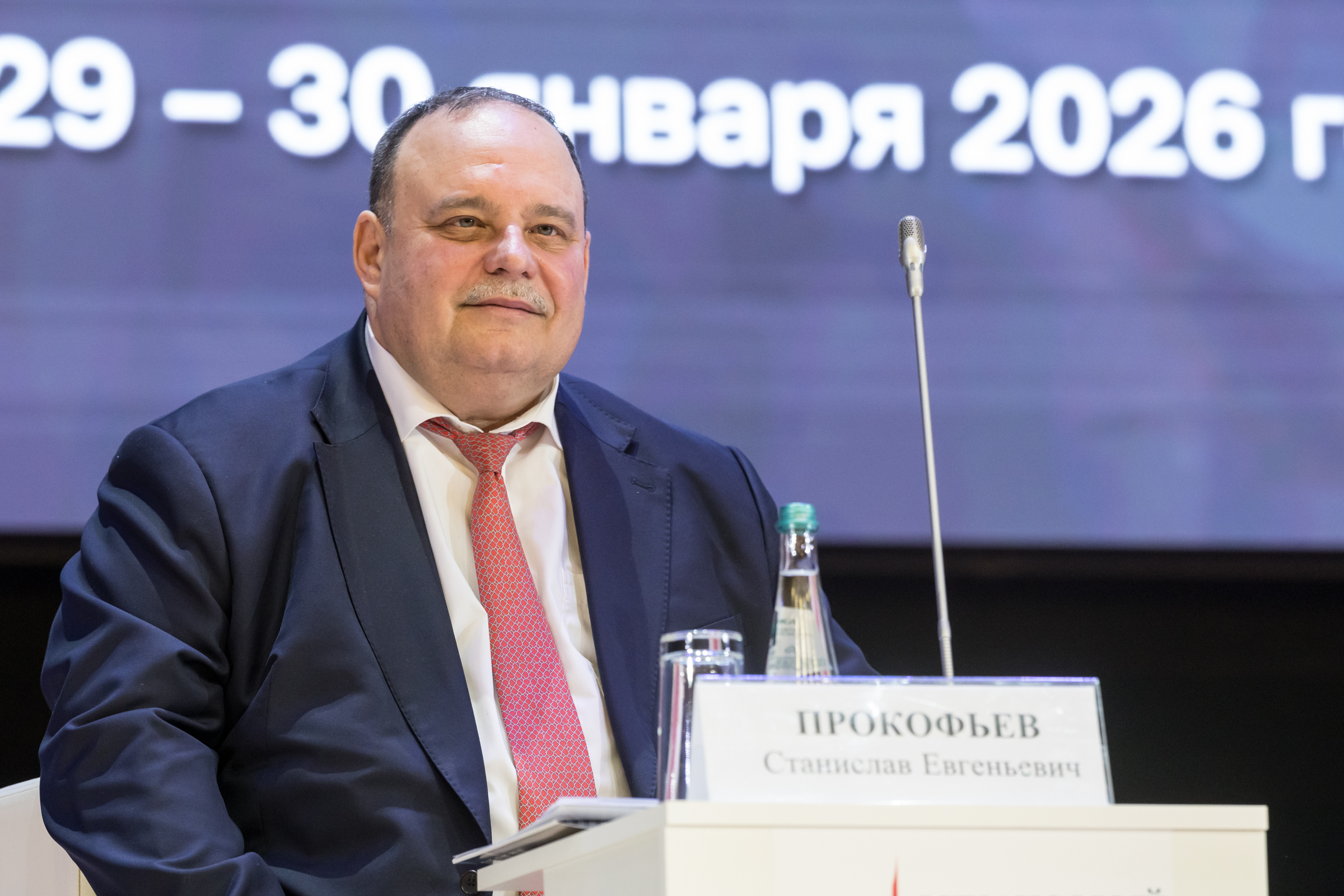
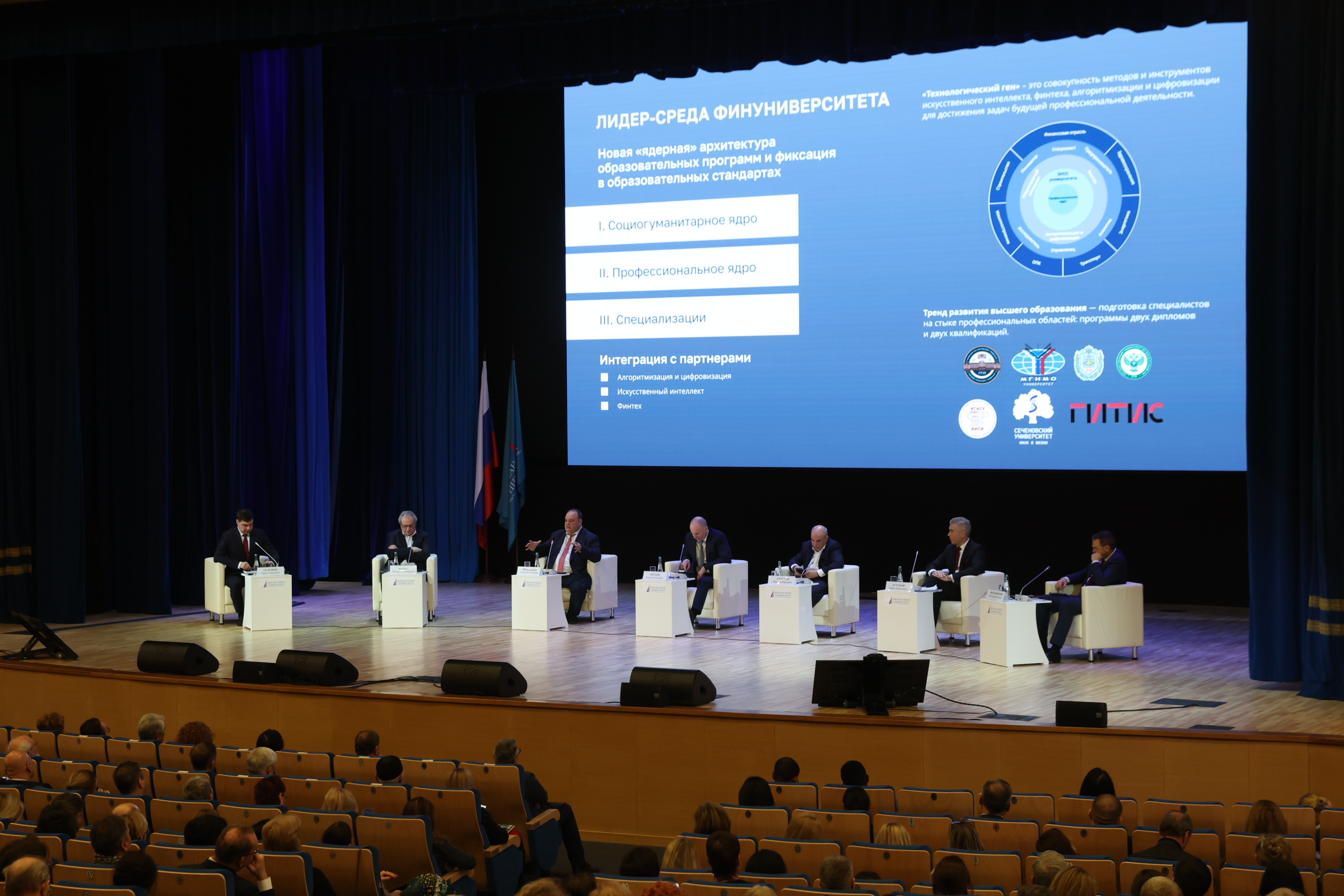
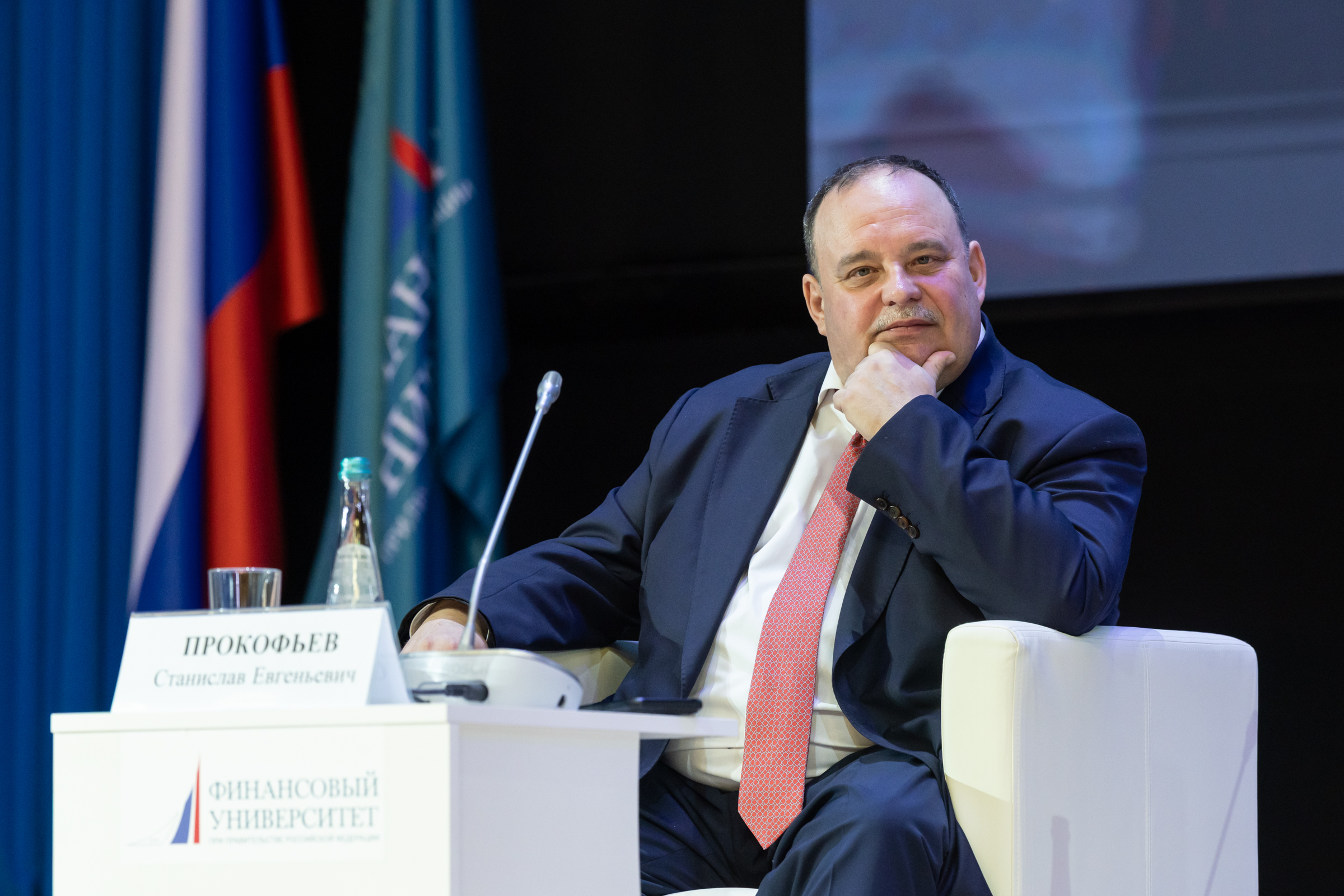
In his speech, Stanislav Prokofiev, Rector of the Financial University, presented the concept of “University 4.0,” which centers around creating a personalized digital ecosystem for each student. The goal of this new approach is to establish a flexible educational environment that adapts to the individual needs and abilities of learners using modern technologies.
“The transformation is based on rethinking the core architecture of educational programs. It relies on two fundamental components. The first is the socio-humanitarian core within the federal component, responsible for shaping personality. This will be strengthened with a focus on general cultural competencies, including logic, cultural studies, teamwork, critical thinking, and project work. The second component is the professional core, laying the foundation for future career activities. Particular emphasis will be placed on in-depth economic theory, mathematical-statistical training, and digital skills,” Prokofiev explained.
An important element of the “core” architecture of educational programs, according to the rector, is the integration of a technological “exoskeleton” — the formation of a “technological gene” within the educational program. This includes approaches and tools of artificial intelligence, financial technologies, algorithmization, and digitalization, aimed at helping graduates solve professional challenges considering industry-specific requirements.
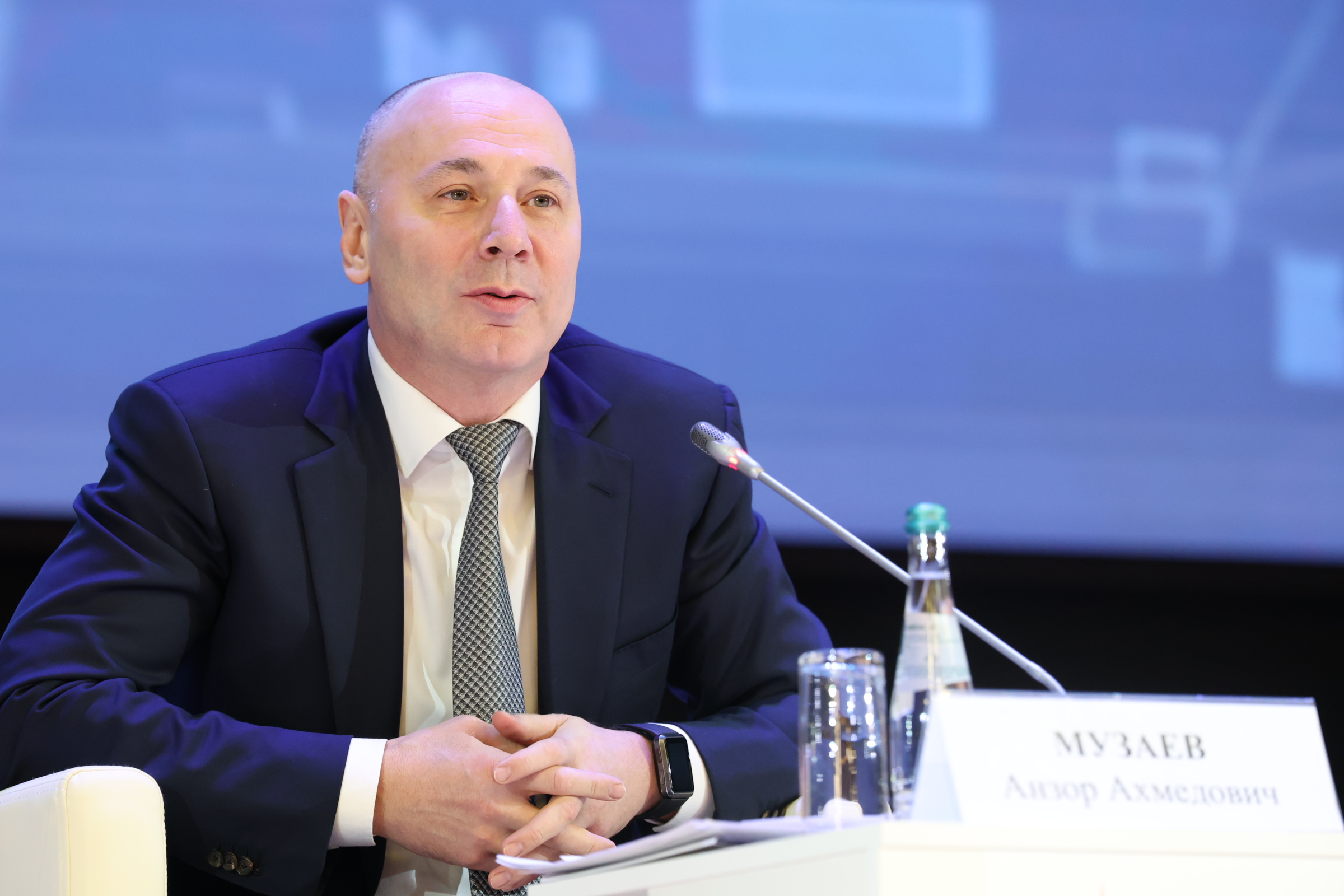
Anzor Muzaev, Head of Rospartnadzor (Federal Service for Supervision of Education and Science), emphasized that the key mission of the modern education system is to foster a coherent worldview and moral integrity among students. He believes that this foundation determines future leadership: with the right values, a person can realize their potential, and leadership qualities become a natural extension of inner strength, regardless of academic achievements.
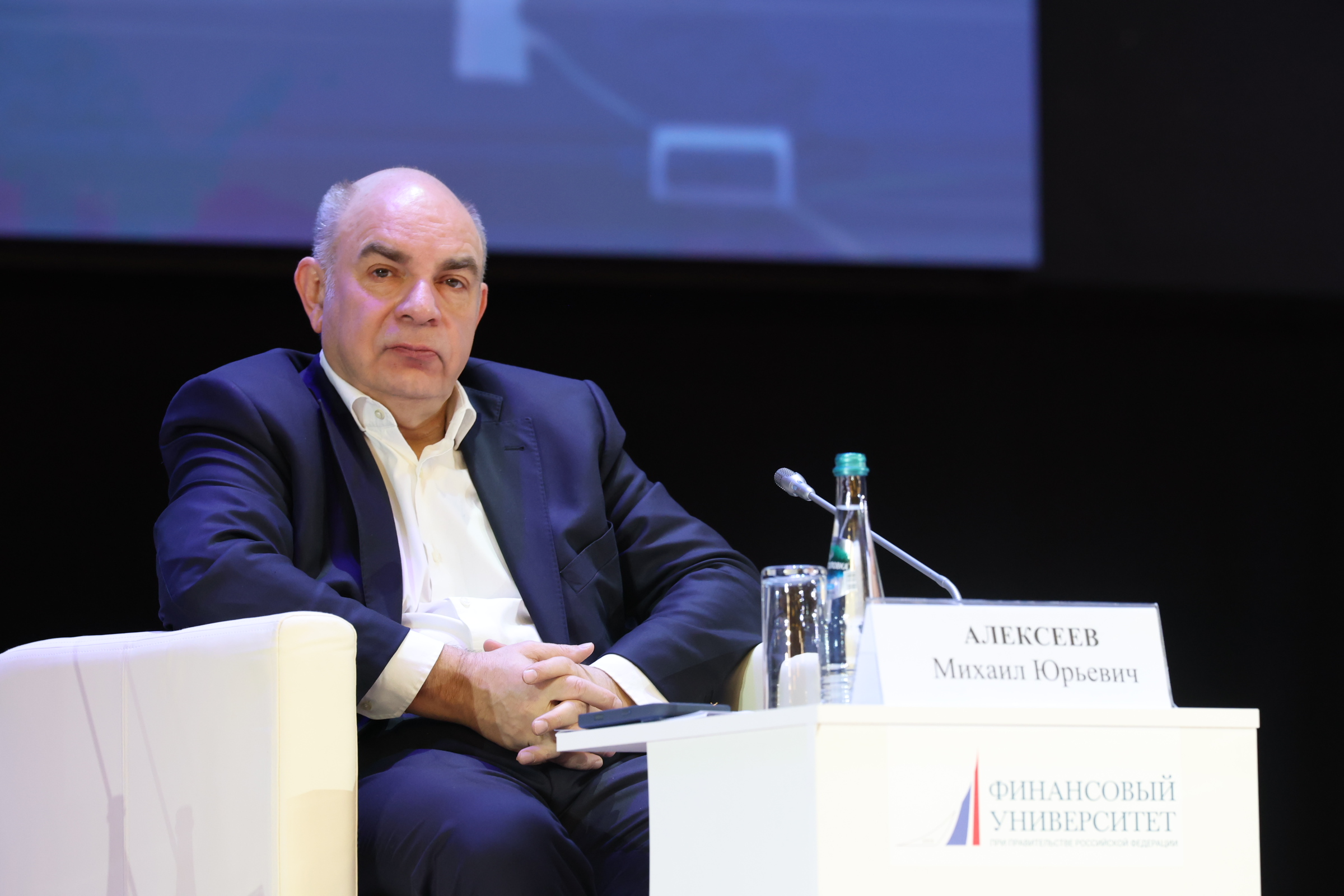
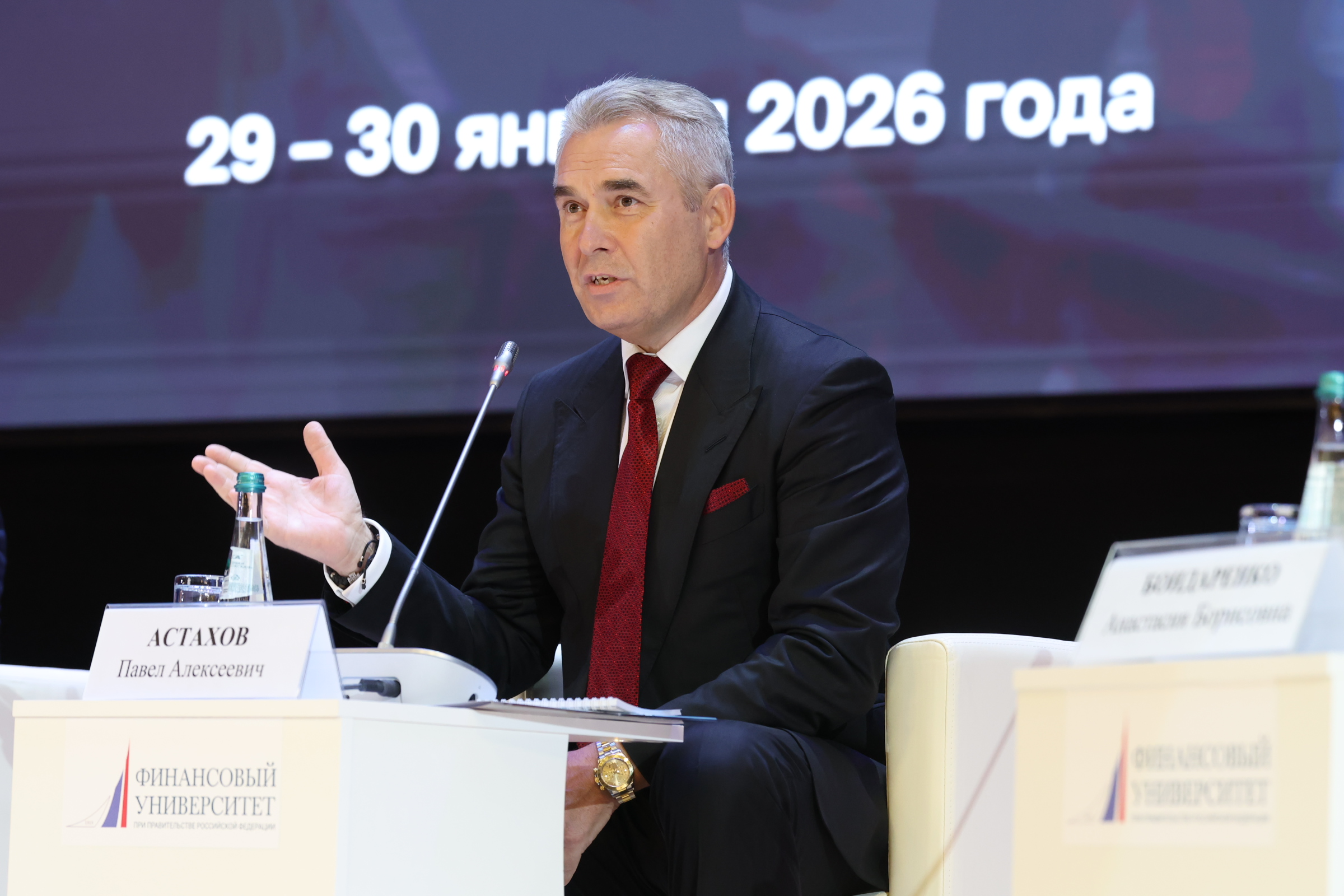
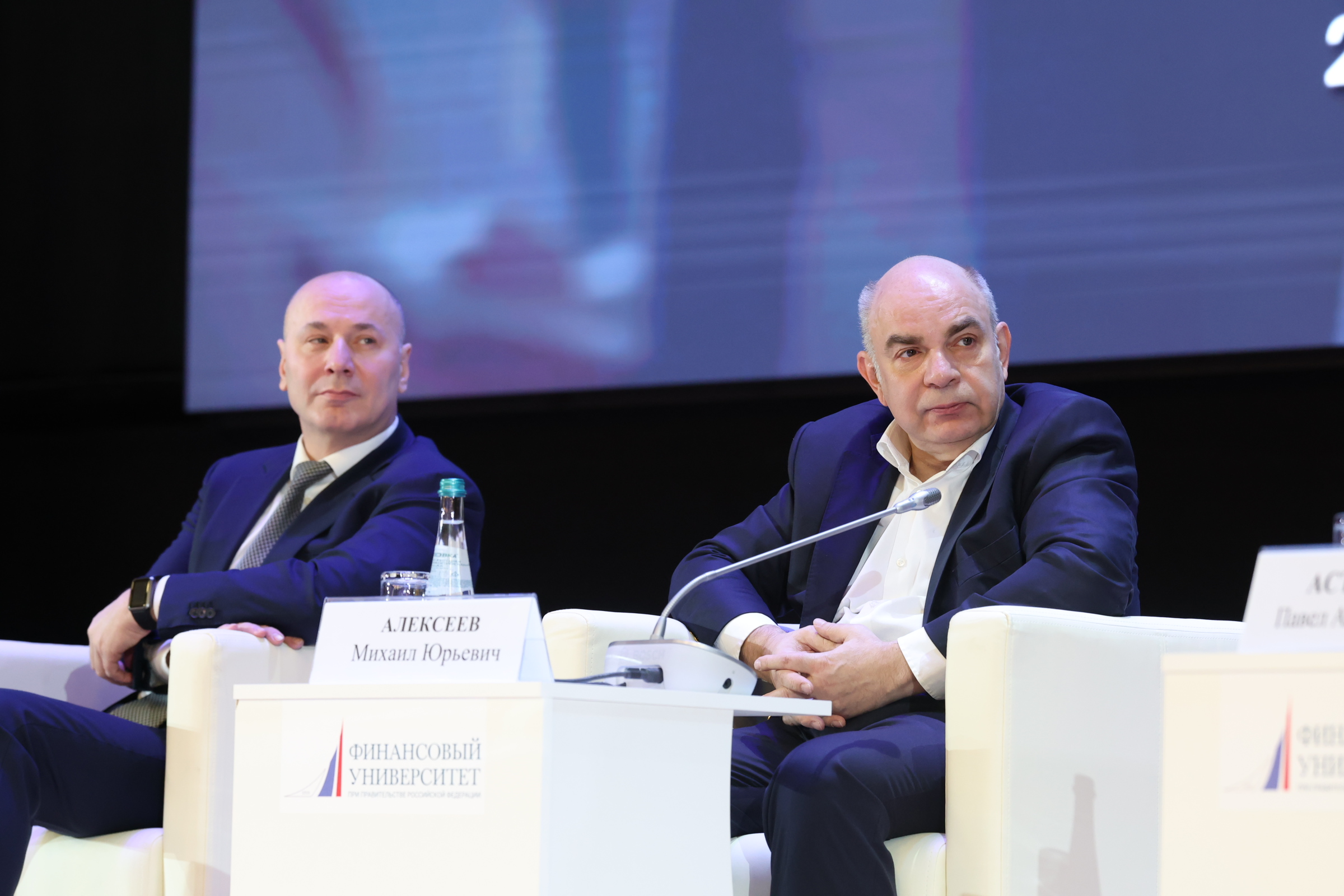
Summing up the session, experts identified the main qualities of tomorrow’s leaders. Russian statesman, honored lawyer of Russia, TV host, and author Pavel Astakhov stated that a leader is someone who is respected and trusted. Mikhail Alekseev, CEO of Post Bank, highlighted the role of leaders in an era of constant turbulence: “A leader who can unite a team, give them energy, vision, and a system of coordinates becomes a crucial player. Their main task today is to motivate the team, energize them with a shared purpose, and provide clear vision and the system of coordinates within which the team can overcome any challenge. This requires extraordinary qualities: emotional intelligence, willpower, and charisma.”
The conference program also included expert sessions dedicated to key areas of modern educational development. Participants discussed the transformation of faculty training, management strategies for pre-universities, and contemporary challenges faced by gifted children. Special attention was given to balancing short-term motivation with long-term engagement, implementing new tools within the framework of “Education 4.0,” and developing and managing joint educational programs across the Eurasian space.
On the second day of the conference, more than 30 discussions will cover pressing issues in the development of the education system. The conference continues with the Winter School of Pedagogical Mastery at the Financial University.