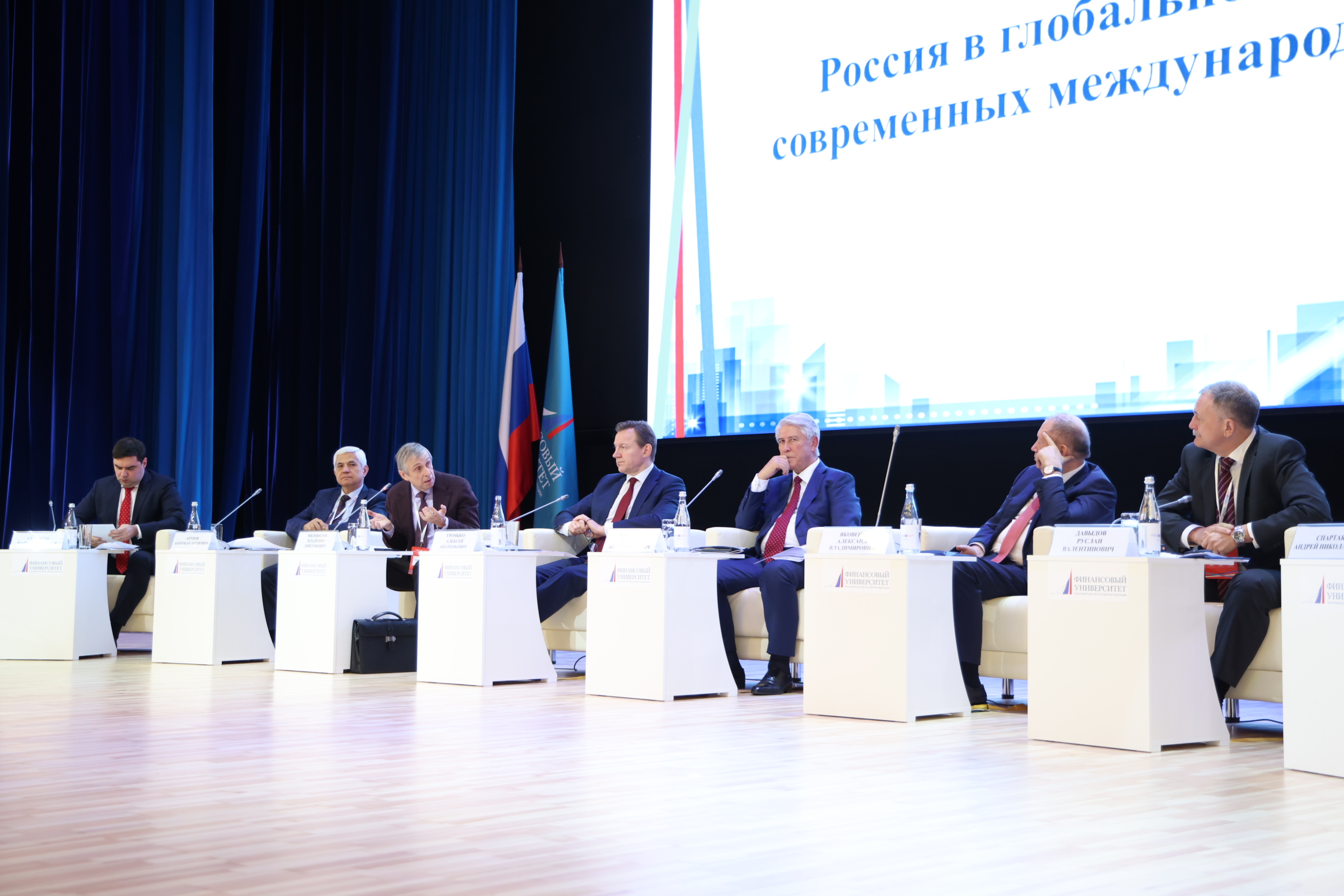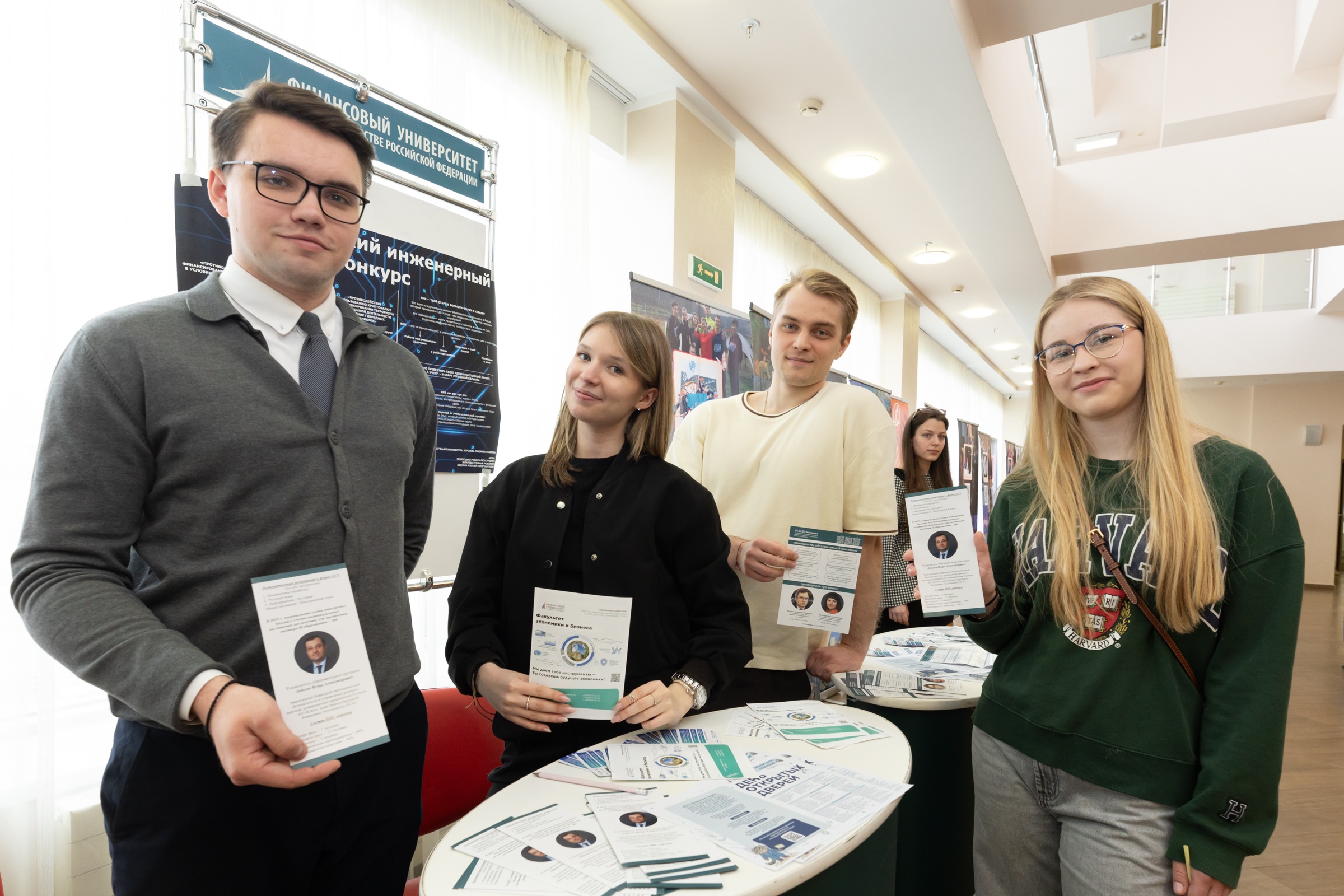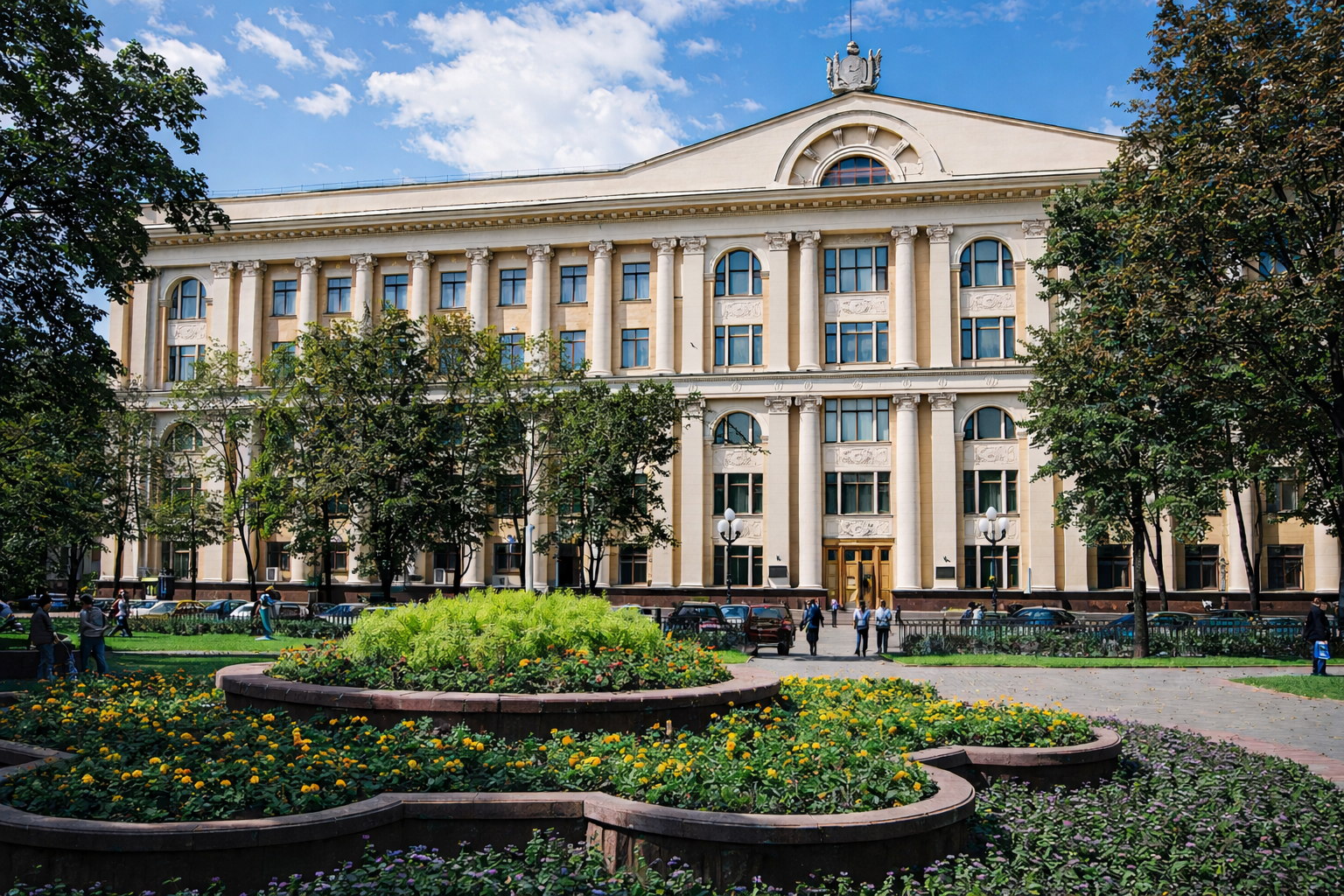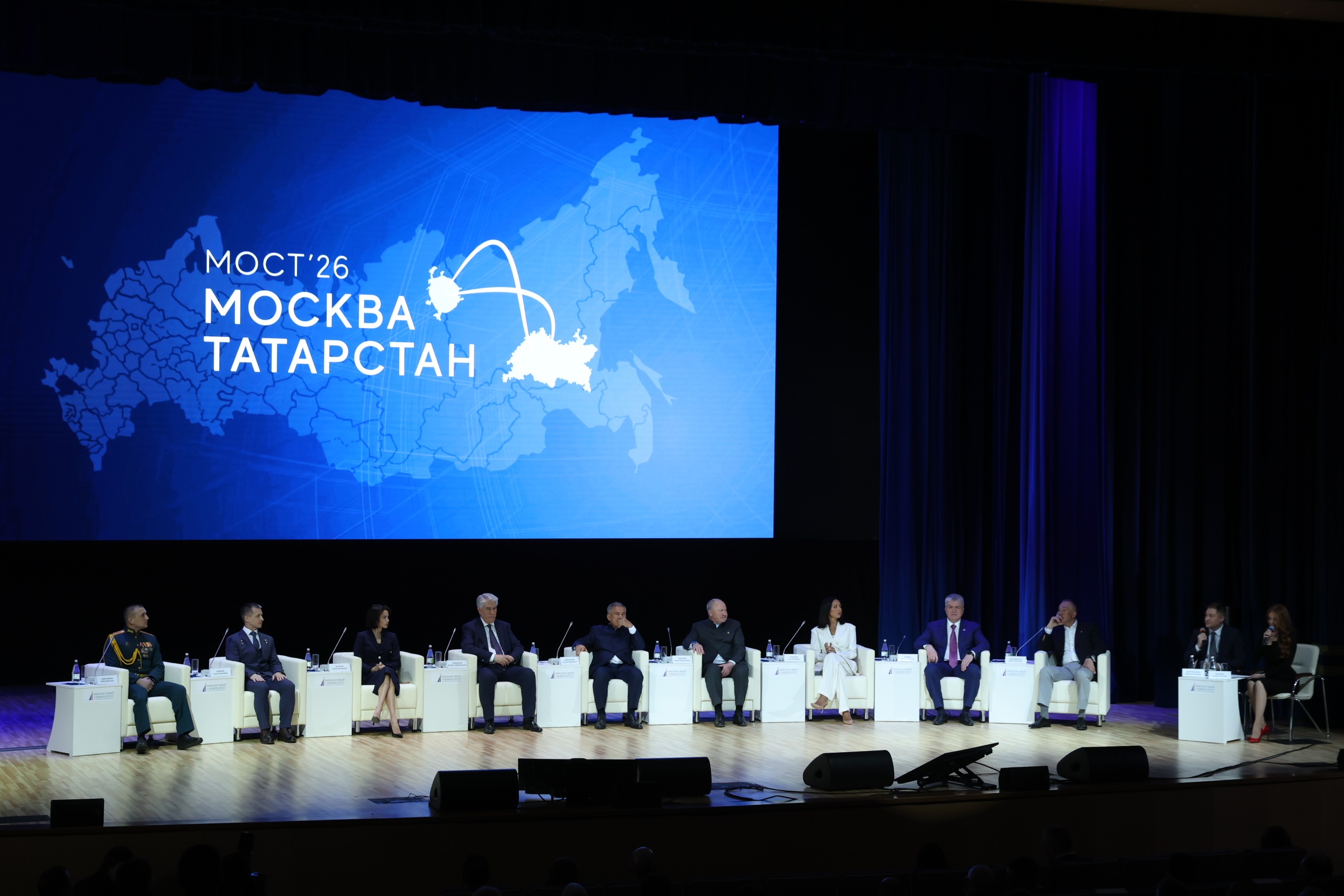
On November 25, 2025, as part of the X International Financial University Forum, a panel discussion titled “The Future of the Economy” took place. The main topics discussed included the formation of a polycentric model of international relations, the transformation of the role of the UN, a comparative analysis of Russia’s, India’s, and China’s approaches to global governance, and strategic directions for Russia’s foreign economic policy.
Corresponding Member of the Russian Academy of Sciences (RAS) and Head of the Department of International Trade and Foreign Trade of the All-Russian Academy of Foreign Trade under the Ministry of Economic Development, Andrey Spartak, highlighted the successful reorientation of Russia’s foreign trade flows toward partners from friendly countries and the strengthening of Russia’s position within BRICS. According to him, this allows Russia not only to effectively defend its national economic interests but also to influence the shaping of key parameters in global markets.
Vladimir Milovidov, Full State Councillor of the Russian Federation of the 1st class and Corresponding Member of RAS, characterized the global economy as the only path for humanity’s development. Despite some trends toward regionalization, the objective need for international economic cooperation confirms its universal relevance.
Alexander Yakovenko, Rector of the Diplomatic Academy of the Ministry for Foreign Affairs of Russia, discussed the division of the world into majority and minority countries, pointing out their differences in understanding world order, attitudes towards private property, and traditional values. He emphasized the importance of mutual trust between states, which will be necessary for building technological partnerships.
Ruslan Davyov, Minister in charge of Customs Cooperation at the Eurasian Economic Commission, shared insights on practical successes of integration processes: “The mutual trade turnover of the Eurasian Economic Union countries has increased by over 80% in the last five years. One of the strategic goals is to strengthen the role of the EAEU as a hub of economic attraction.”
Akimzhan Arupov, Director of the Institute of World Economy and International Relations at Turan University (Republic of Kazakhstan), highlighted the mutually beneficial nature of the strategic partnership between Russia and Central Asian countries, emphasizing the synergistic effects of cooperation.
Professor Petr Tolmachyov from the Diplomatic Academy of the Ministry of Foreign Affairs stressed the need to transition to an export-oriented economic model as a key growth driver that ensures a significant multiplier effect.
Pavel Seleznev, Dean of the Faculty of International Economic Relations at the Financial University, called for focusing on building a self-sufficient development model for Russia, based on confidence in domestic strengths, prioritizing national personnel and technologies, and channeling societal energy towards shaping the future.
The discussion also featured Corresponding Member of RAS, Director of the Institute of Europe of RAS, Alexey Gromyko, and Lead Researcher at the Institute of the USA and Canada of RAS, Vladimir Vasiliev.
The moderators of the discussion were Mikhail Eskindarov, President of the Financial University, and Victoria Perskaya, Director of the Institute for International Economic Relations at the Financial University.
More photos from the panel discussion can be viewed via the link.