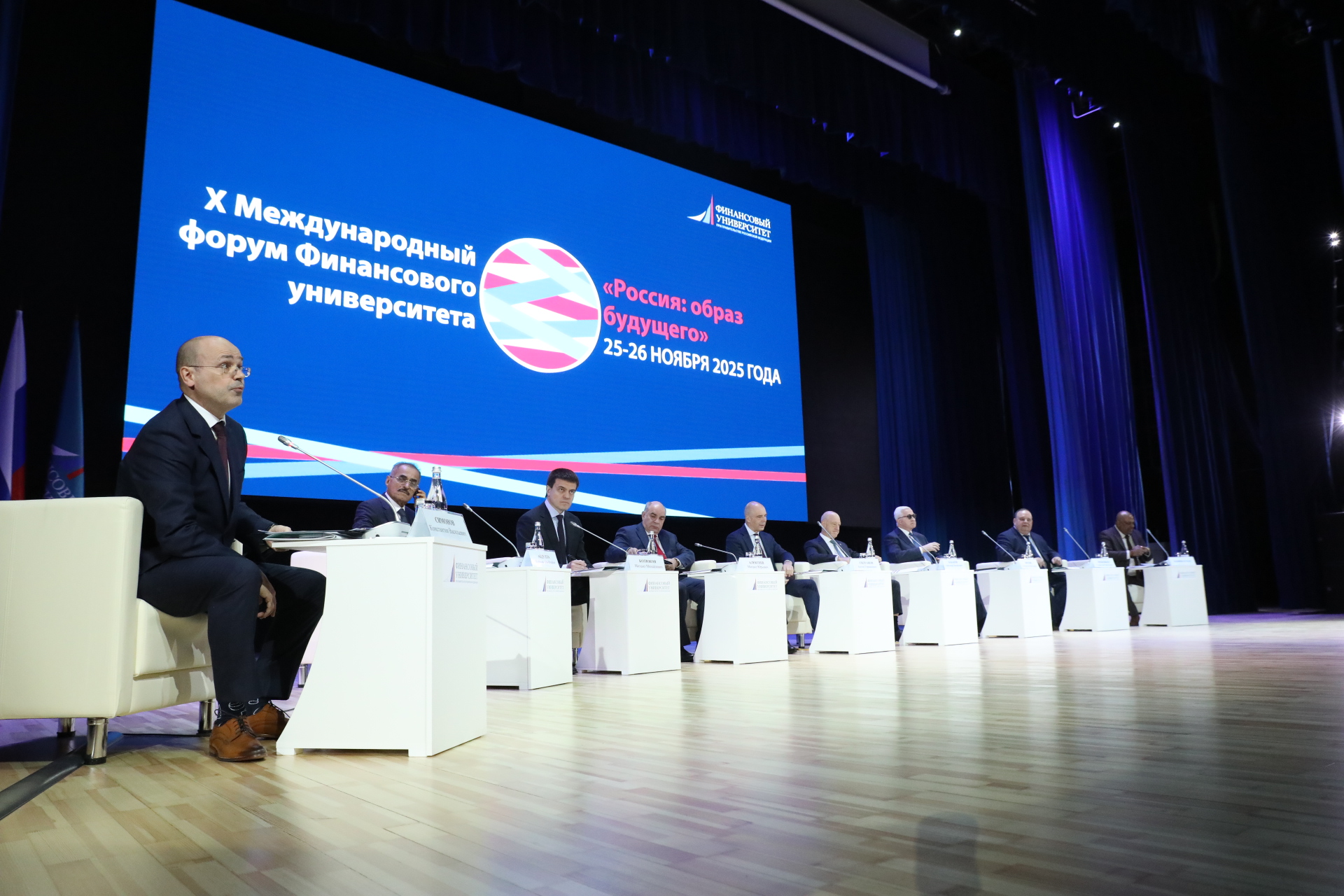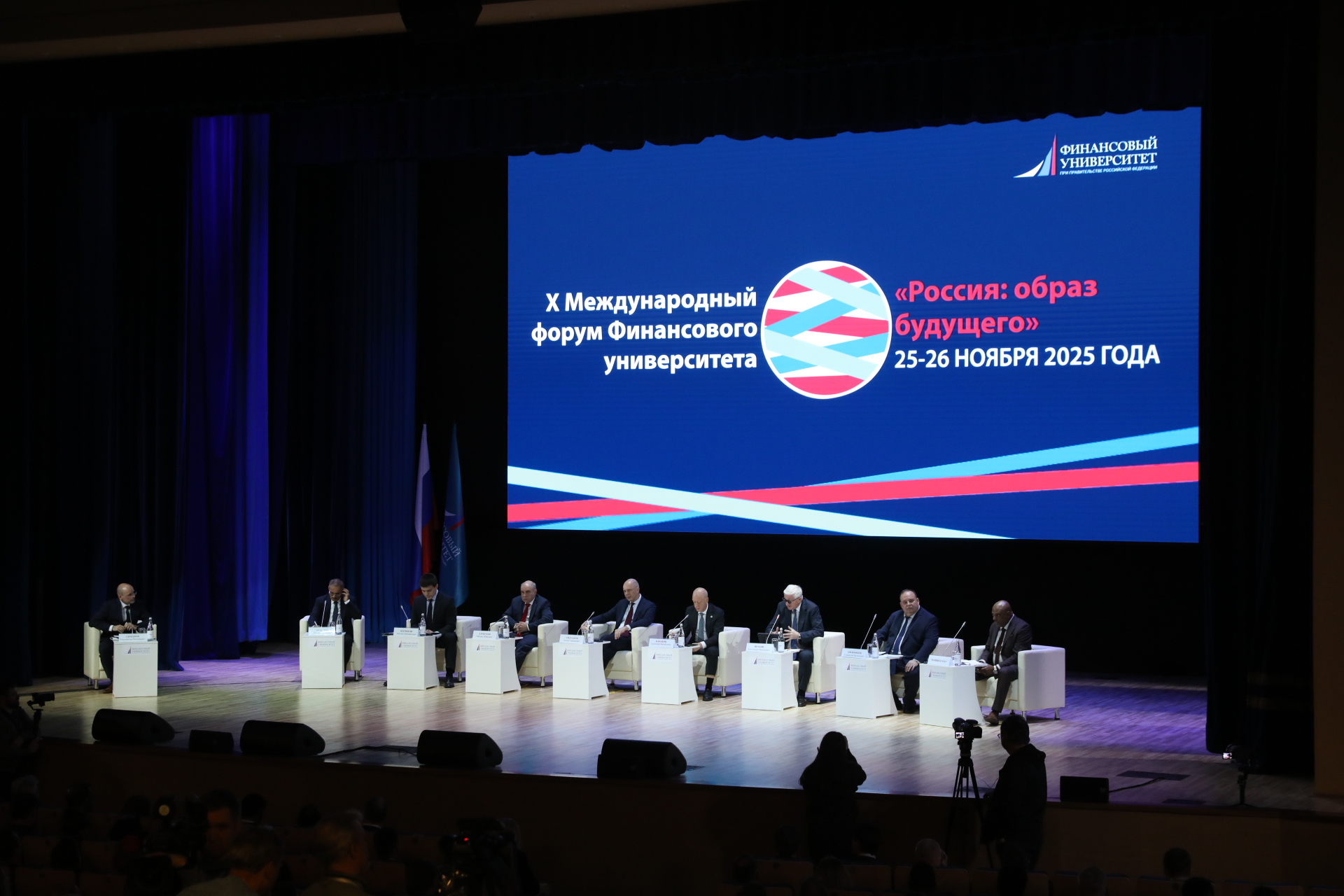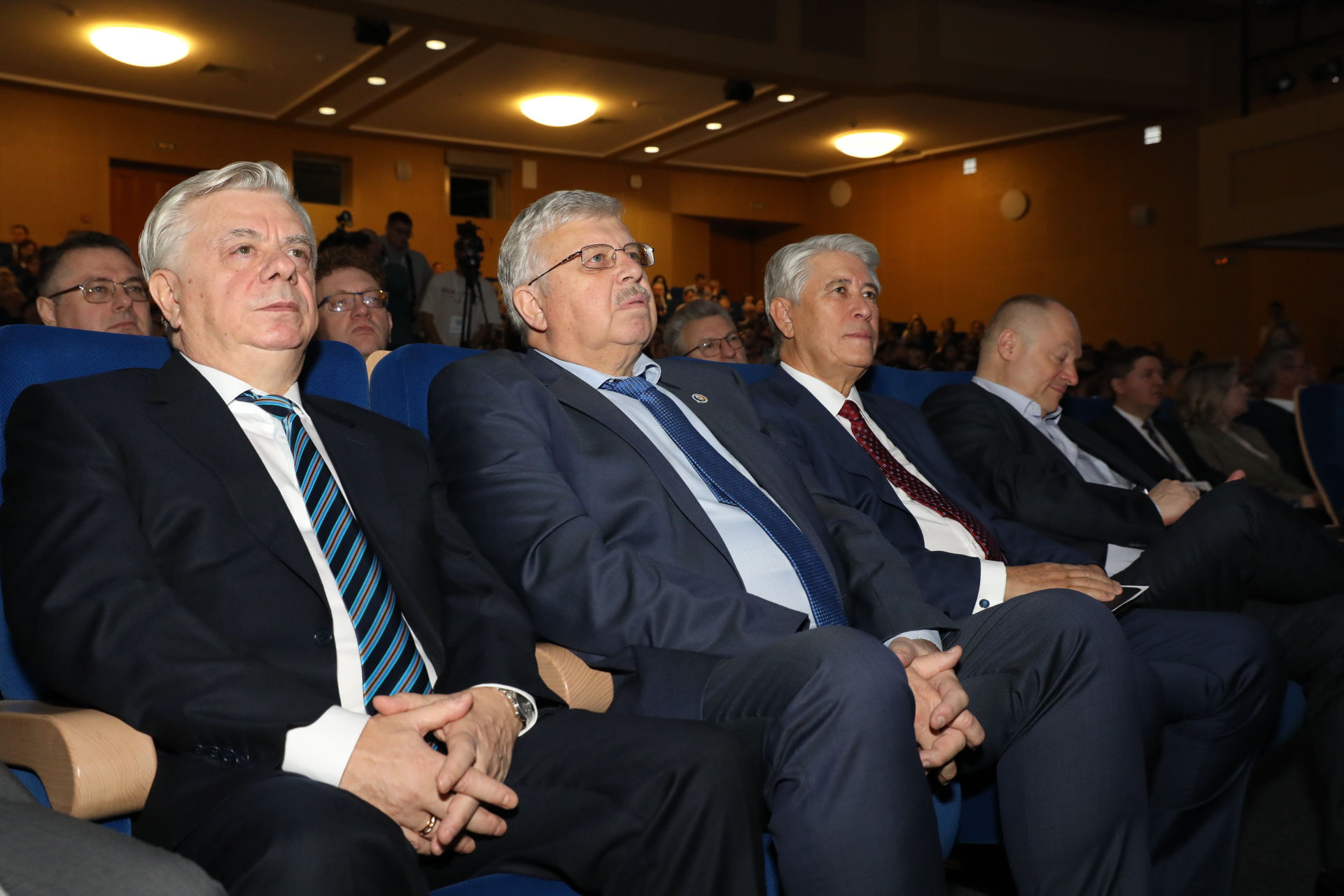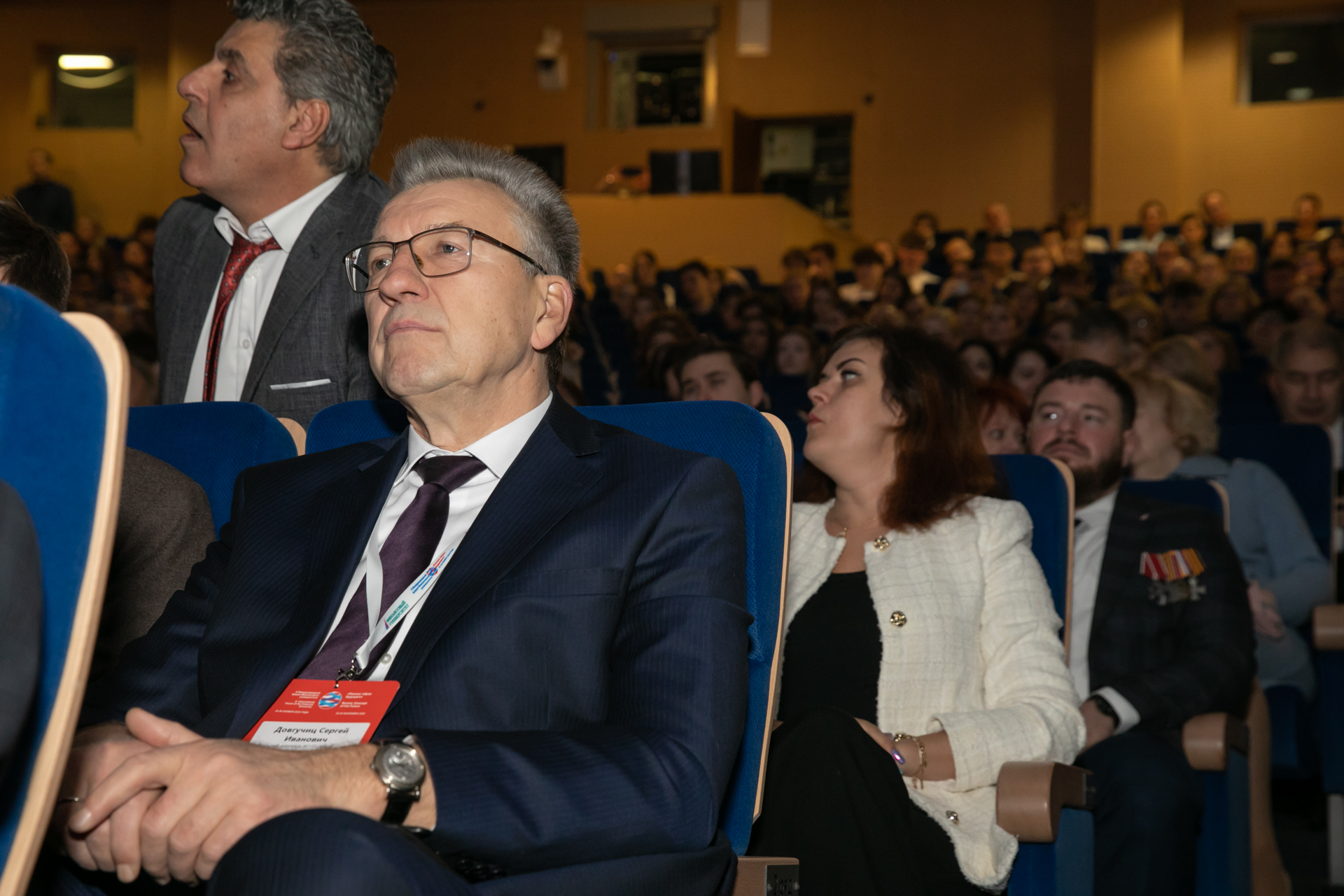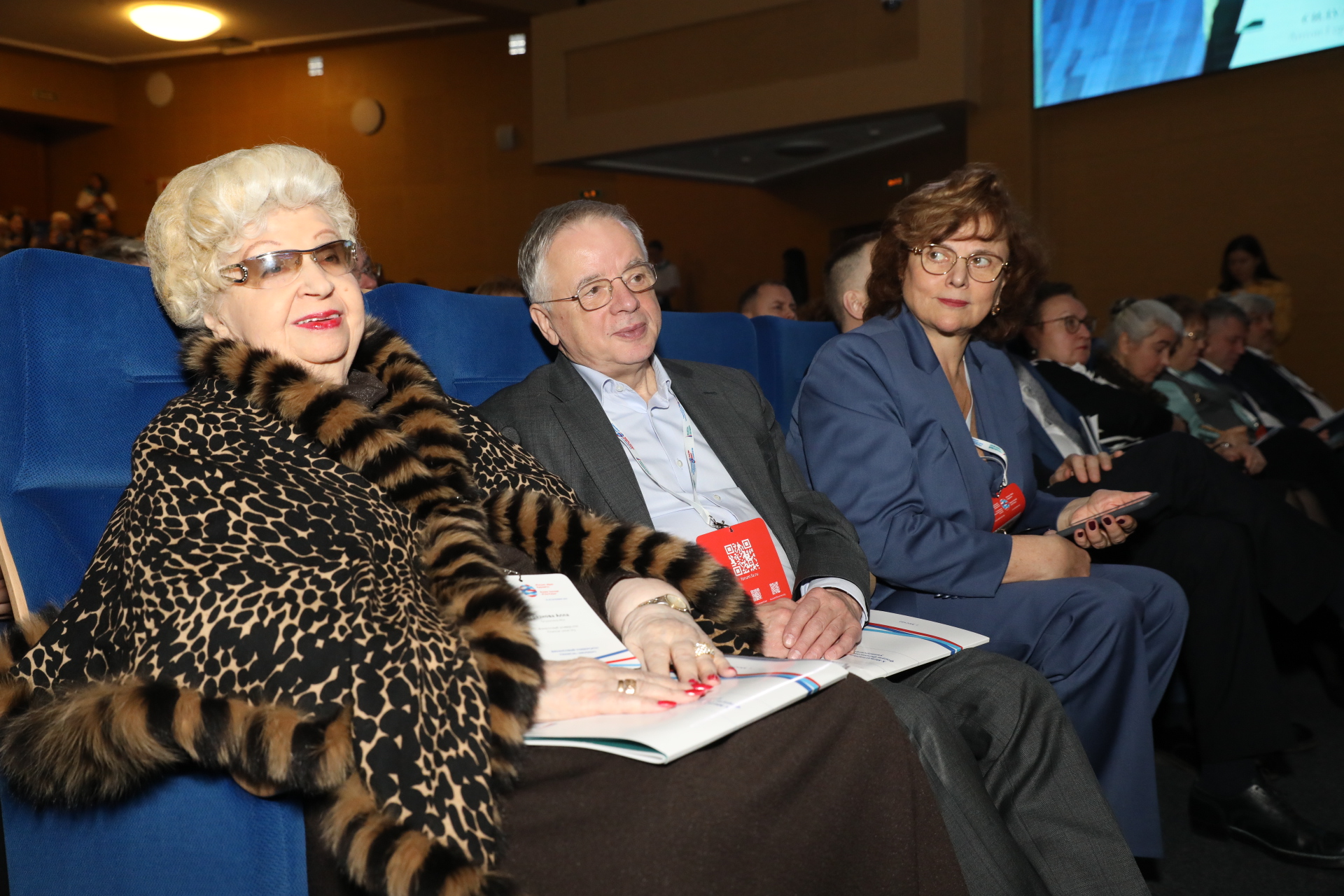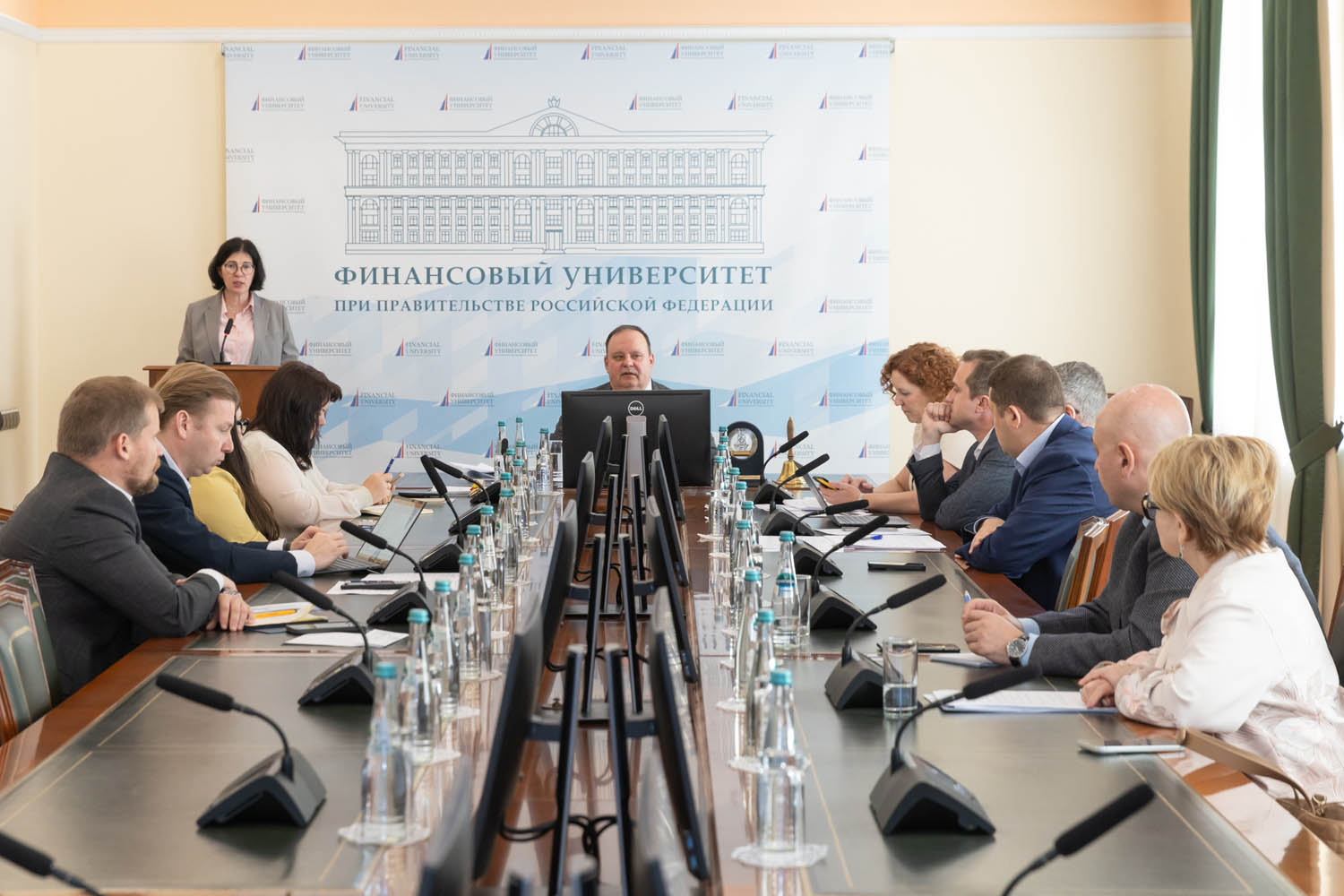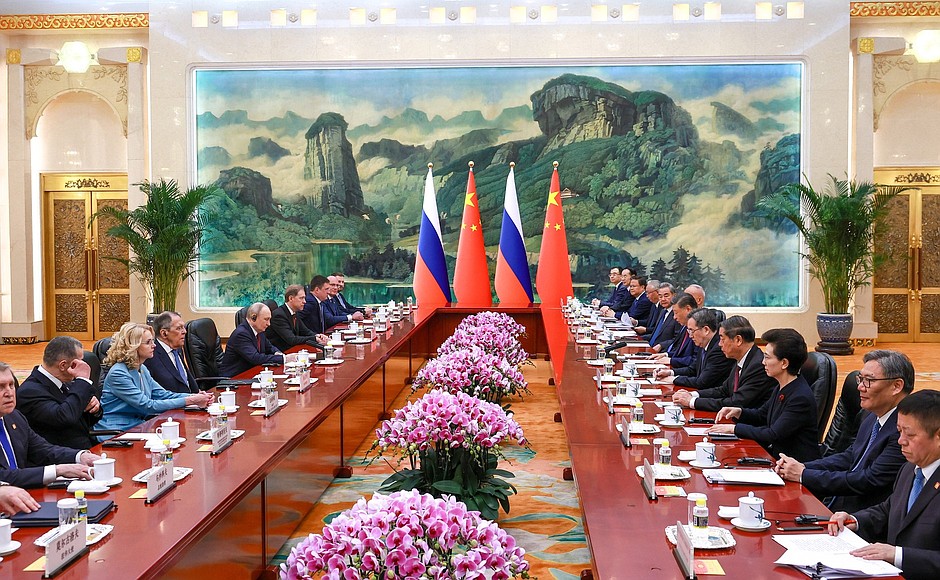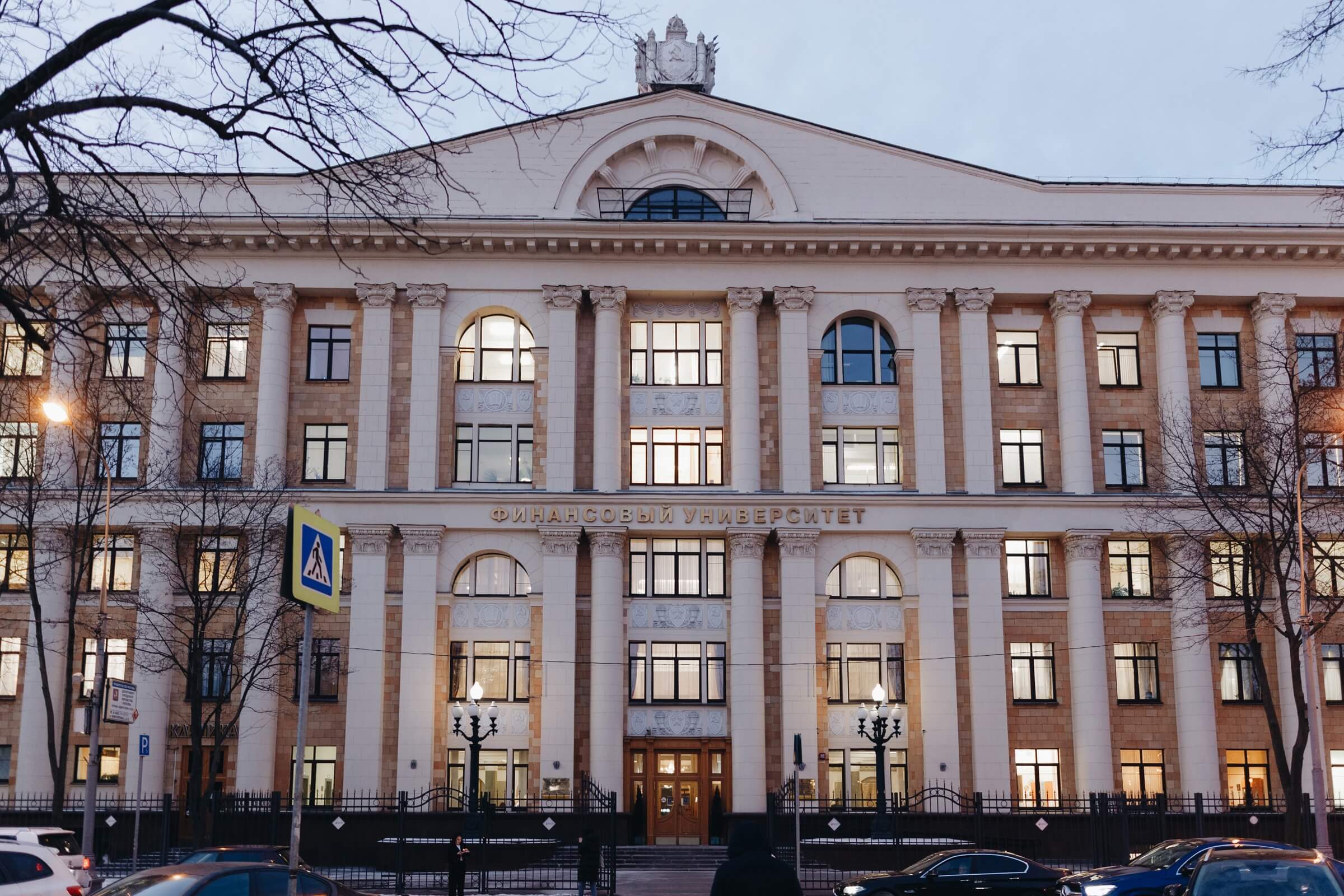
On November 25, 2025, the anniversary X International Financial University Forum titled “Russia: A Concept of the Future” took place. For the tenth time, the Forum brought together government officials, business leaders, and academics to discuss pressing issues in the global economy and socio-economic policy of modern Russia. Key topics of the plenary session included the impact of AI and robotics on the global and Russian economies, the future of international trade, the introduction of new currencies and payment systems, and the evolving role of the state in the economy of the future.
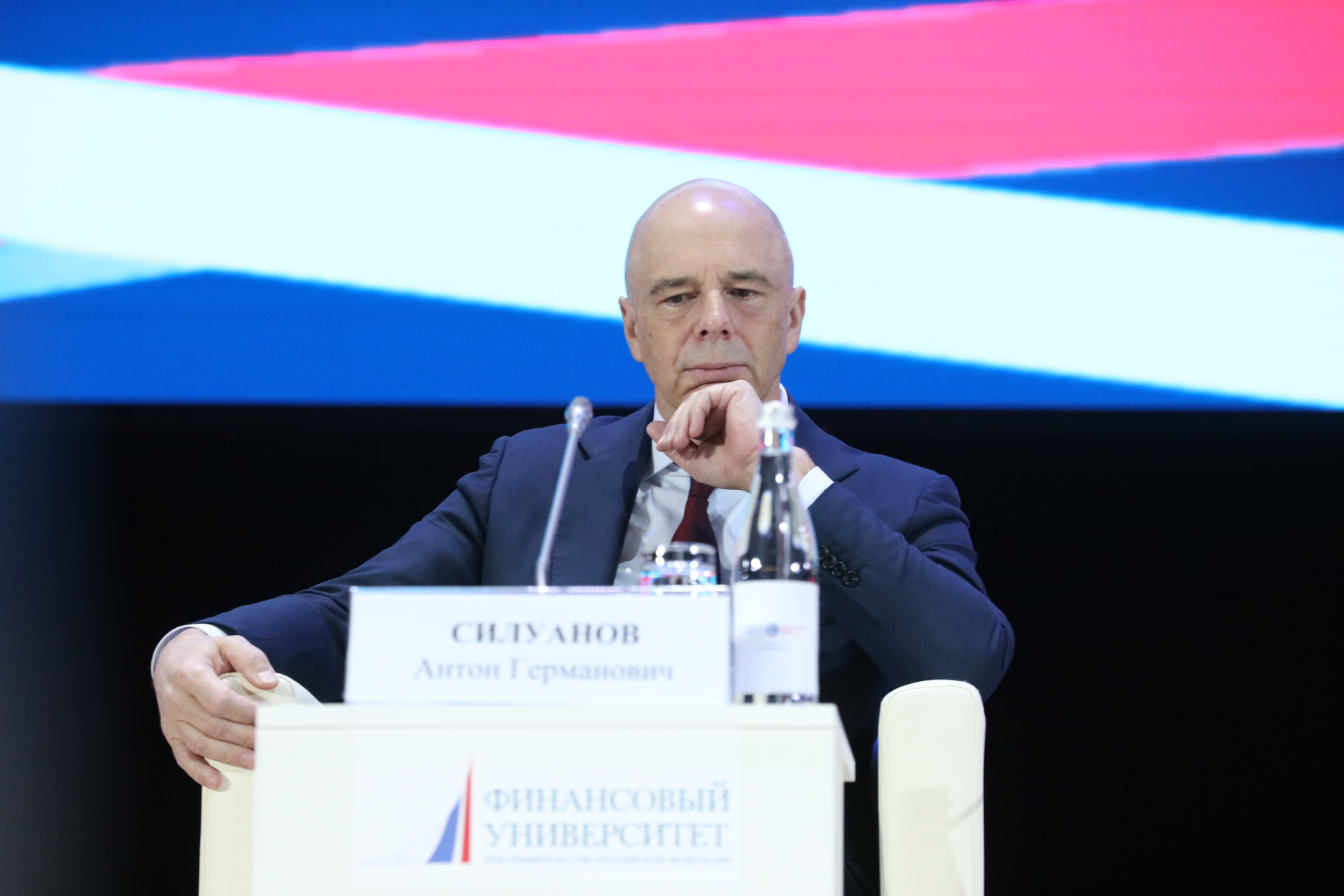
Russian Minister of Finance Anton Siluanov highlighted the key trend shaping Russia’s economy — technological leadership: “Today, leadership in AI is becoming the main factor for success. In fact, there is a race for productivity and for who can faster and more deeply integrate AI into key industries. I would note that the Russian Ministry of Finance was the first among government agencies to implement AI in its work.”
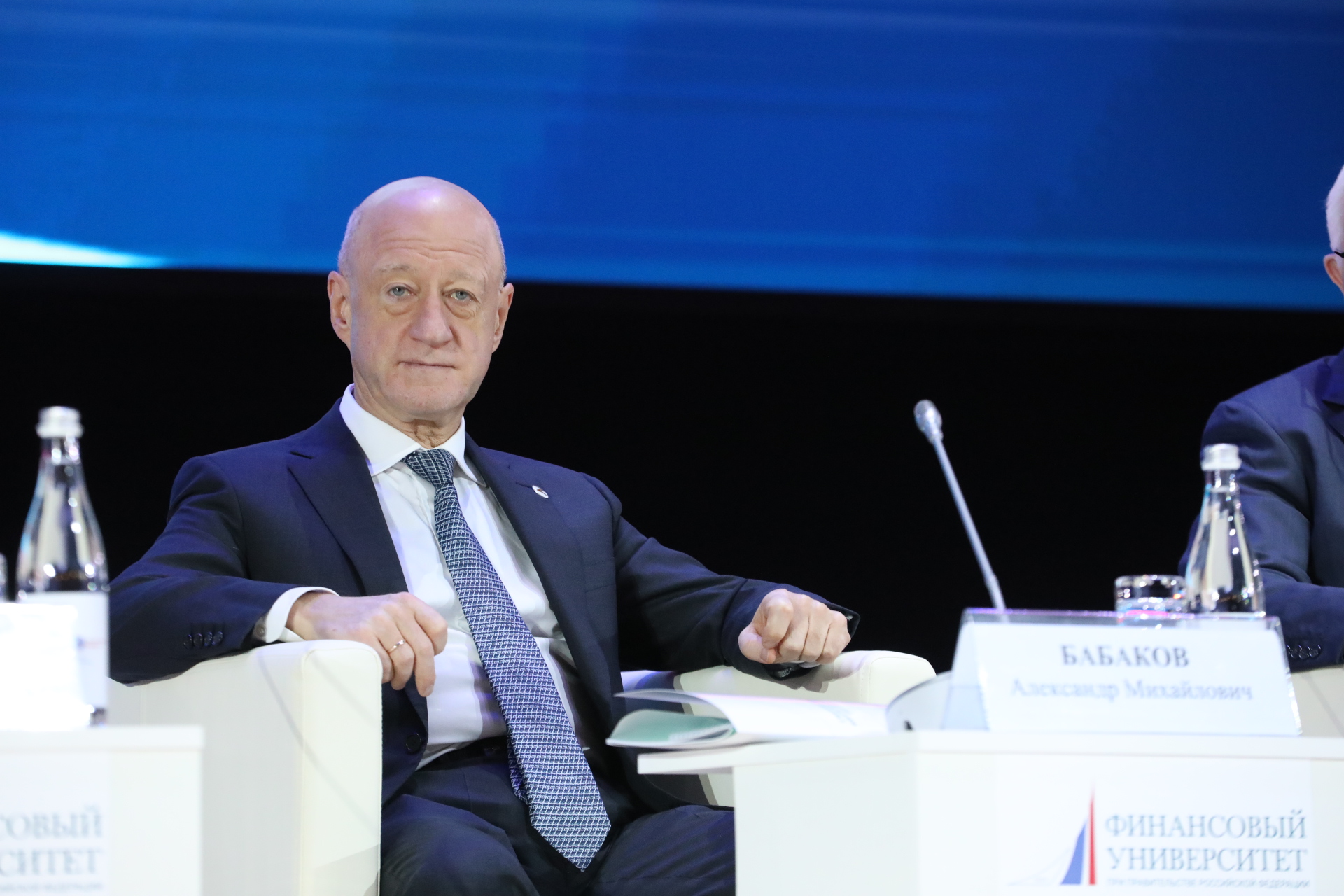
Deputy Chairman of the State Duma Alexander Babakov emphasized a shift in the paradigm of economic development: “Today, we are forming an approach where the economic system should serve the quality of life — healthcare, education, and human development. This changes the very understanding of economic goals — from profit to well-being.” He also stressed that creating strong domestic scientific and analytical institutions capable of promoting alternative development models is essential for a successful economy.
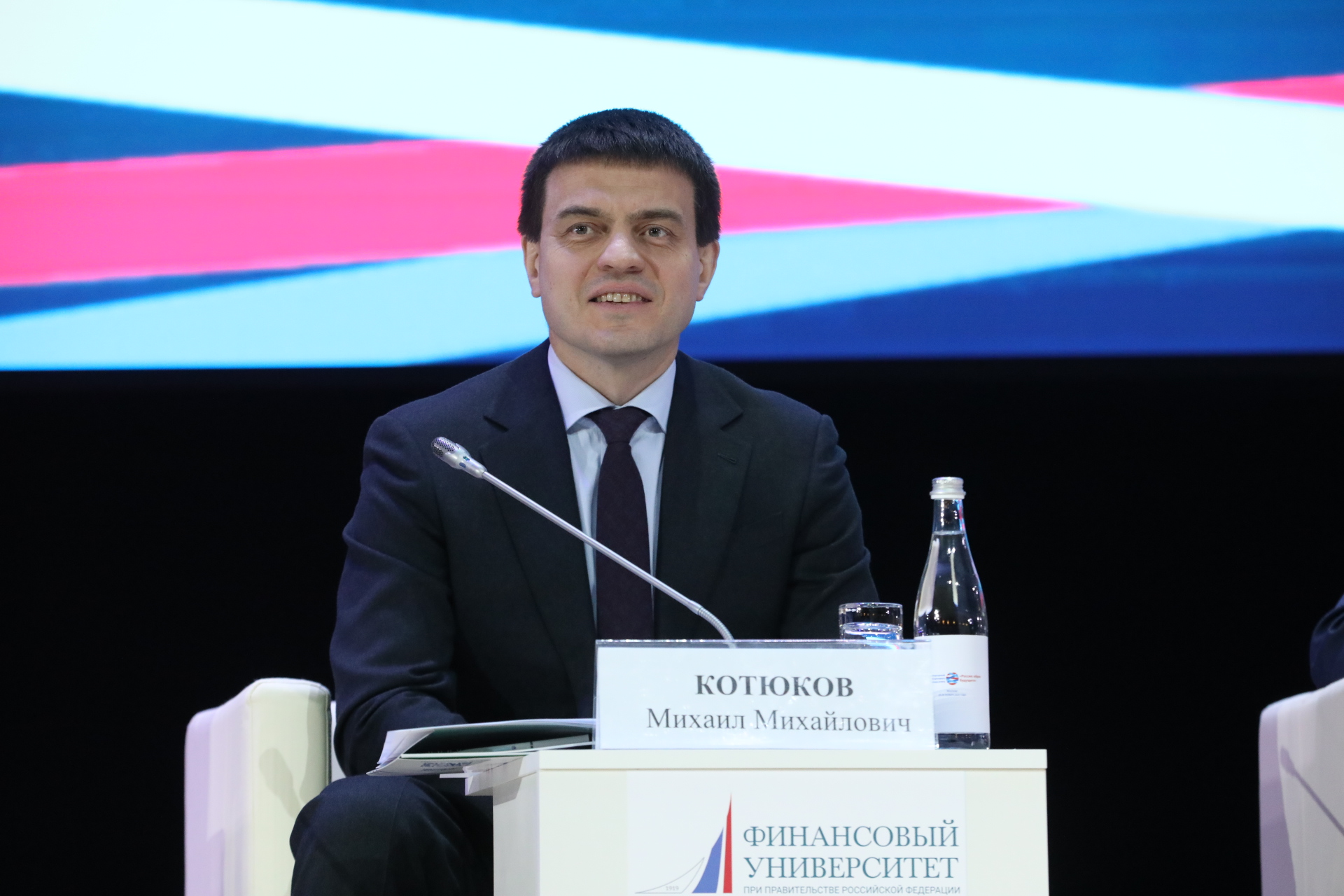
Governor of Krasnoyarsk Krai Mikhail Kotyukov, highlighted one of the key challenges in technological development — increasing the science intensity of the Russian economy to around 2% of GDP: “It’s not enough just to increase funding; it’s crucial that the economy has the personnel, institutions, and tools to effectively utilize this resource and turn it into real technological progress.”
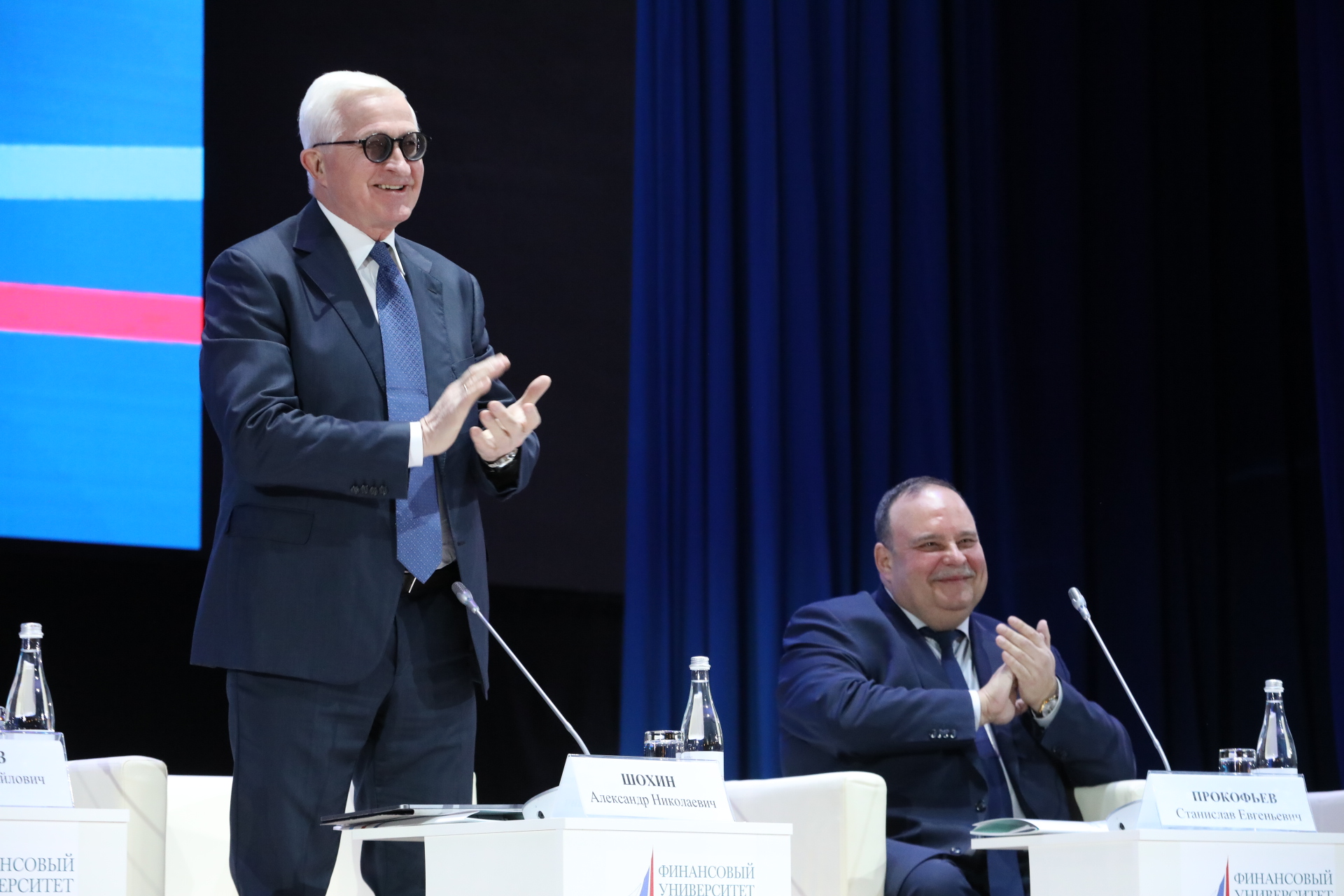
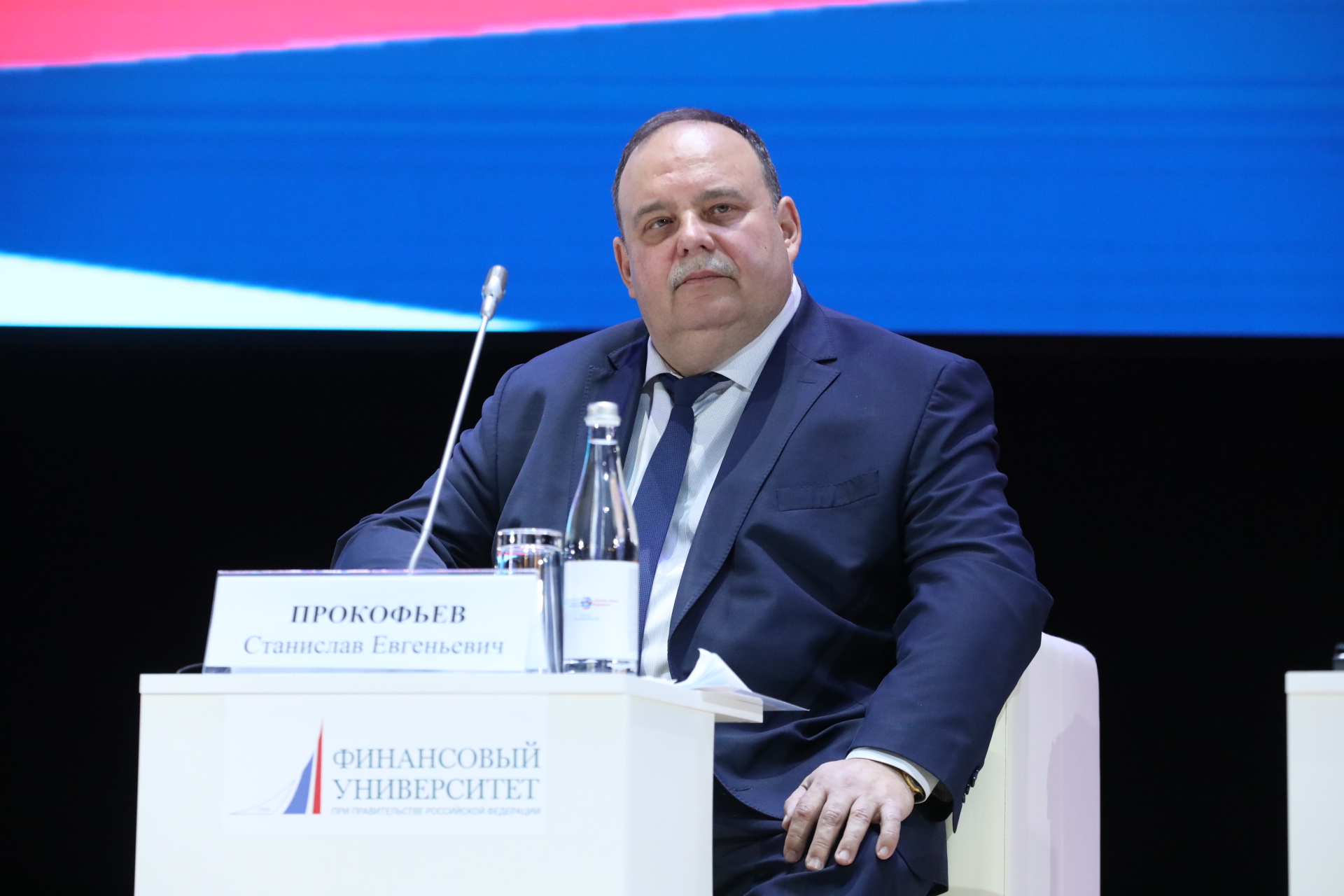
Discussing global trends in the development of the world and Russian economies, Stanislav Prokofiev, Rector of the Financial University, pointed out the shift from total globalization to regional integration, increased government regulation, and the rise of neo-protectionism: “For Russia, sustainable cooperation with friendly countries, active participation in formats like BRICS and SCO, and exploring new opportunities such as the Northern Sea Route and the Arctic shelf are becoming increasingly important.”
Stanislav Prokofiev noted that the upcoming three-year plan reflects a shift from broad-based support for the economy to targeted investments in key areas of technological sovereignty. The largest increase in spending is directed toward high-tech sectors such as microelectronics, machine tool manufacturing, robotics, and other fields that will shape the country’s technological leadership.
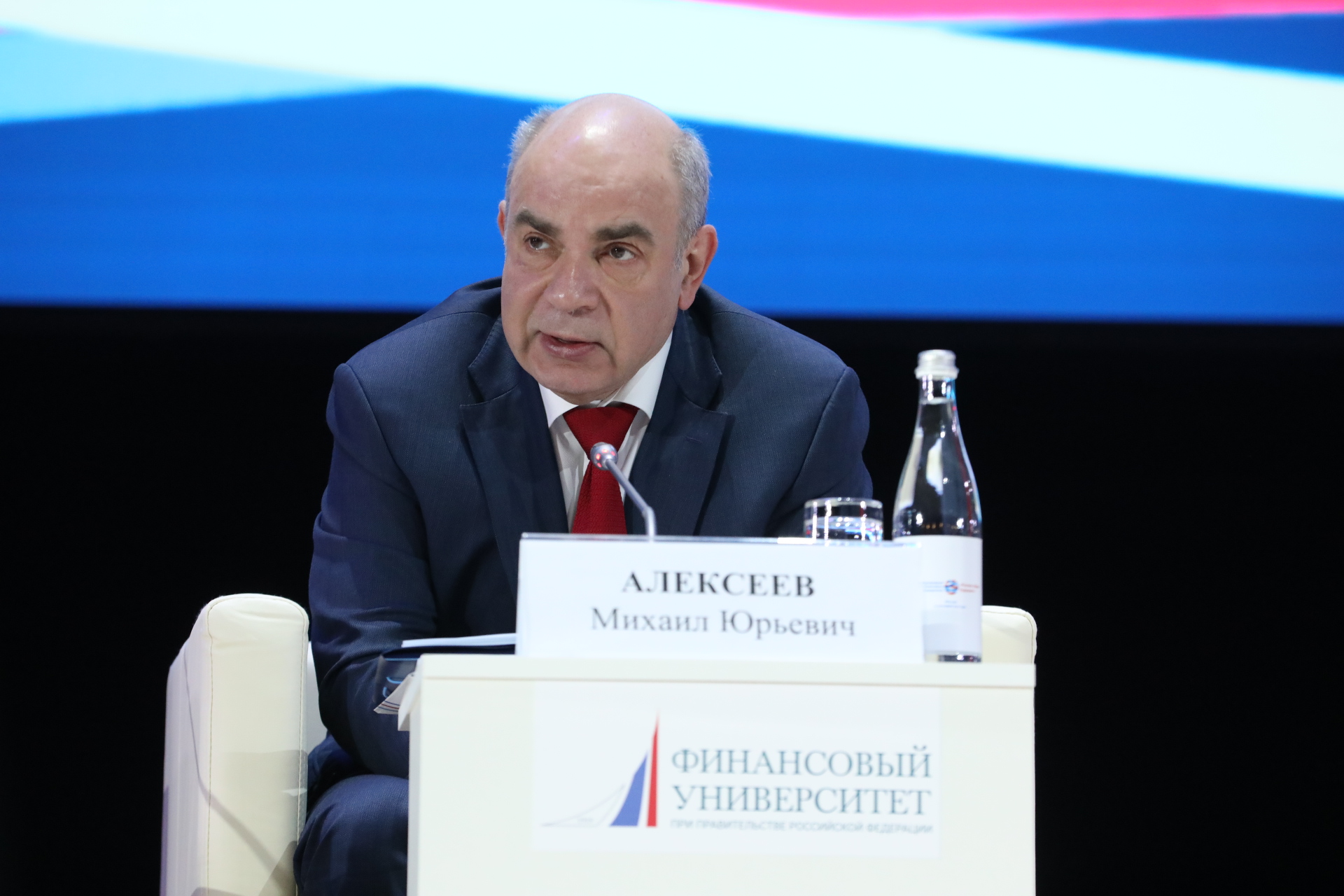
“We have entered an era where breakthrough technologies — biotechnology, nuclear energy, AI, and space exploration — are becoming the main drivers of volatile global economic development,” emphasized Mikhail Alekseev, President and Chairman of the Board of PJSC “Post Bank.”
Alexander Shokhin, President of the Russian Union of Industrialists and Entrepreneurs, highlighted key mechanisms of the global economy, from alternative payment tools to new fiscal structures: “It’s no longer just competition; it’s an effort to create the rules of the future system, where innovation, access to critical resources, combating climate risks, and inclusive economic growth are becoming increasingly important. These priorities are clearly reflected in international agendas — from G20 to business forums.”
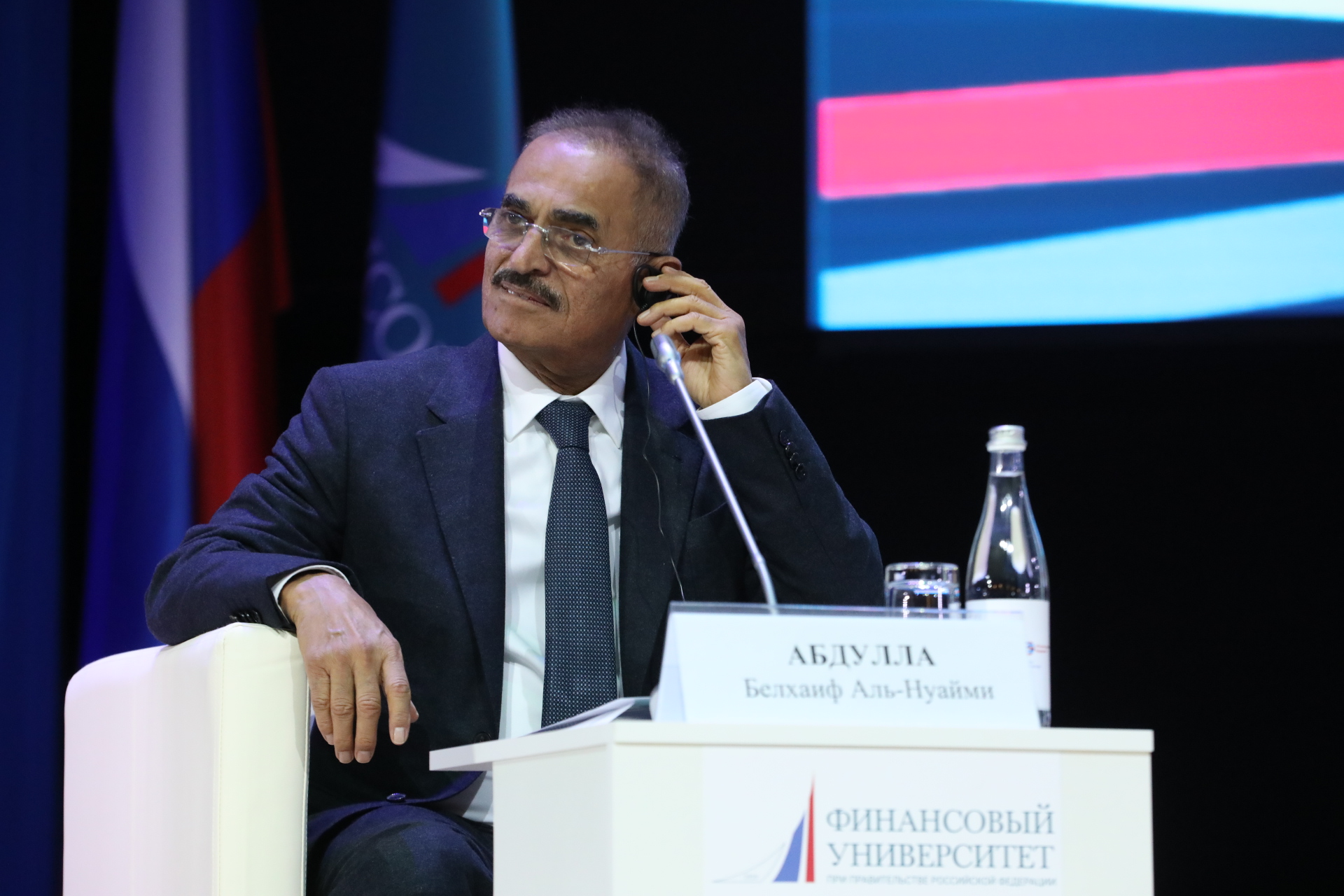
Abdullah Belhaif Al Nuaimi, Chairman, Sharjah Consultative Council, emphasized the resilience of the Russian economy, noting that despite external pressures, order and stability are maintained thanks to a well-structured economic system.
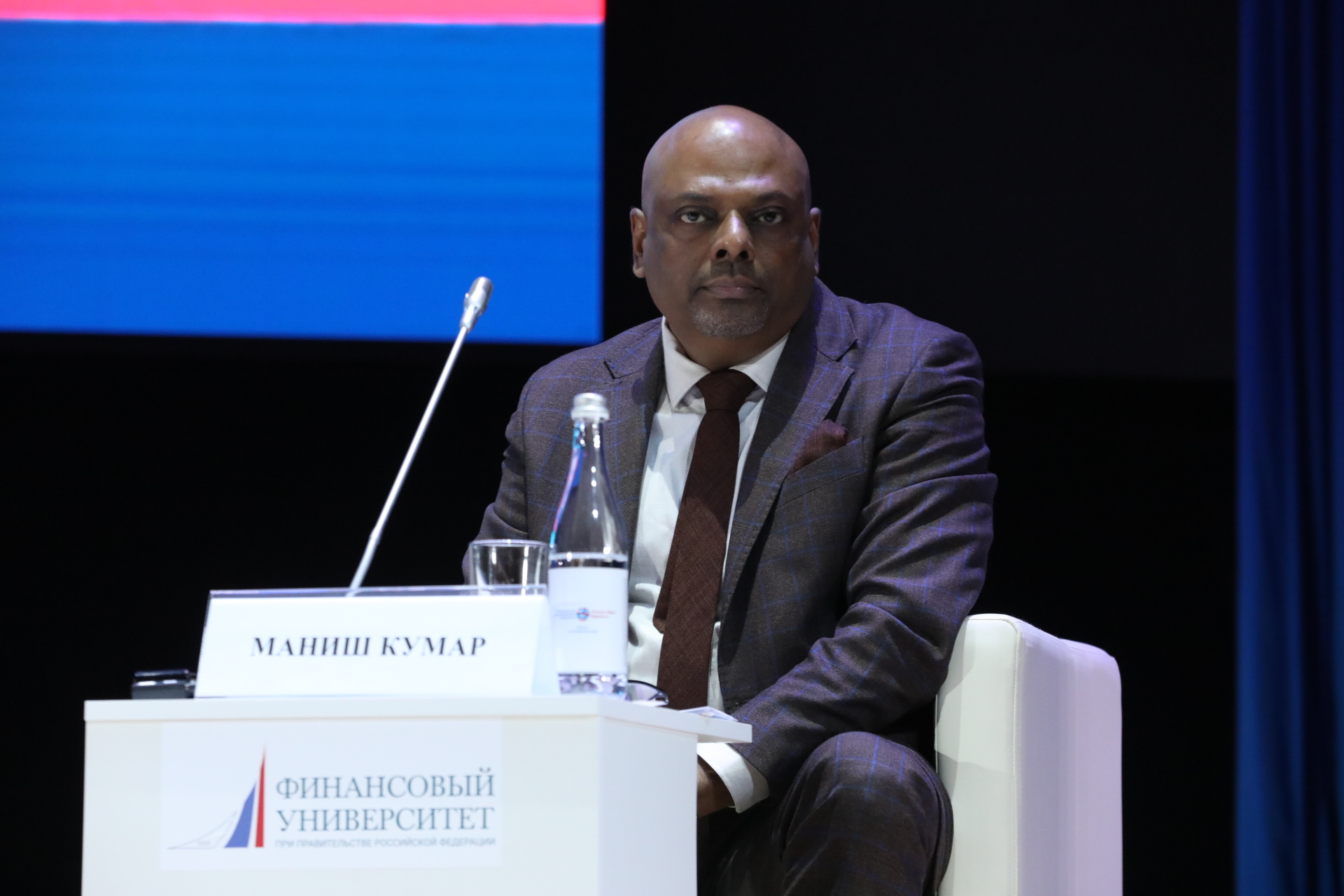
“Currently, over 35,000 sanctions have been imposed on Russia, including those from the United States and Europe. They expected the Russian economy to collapse. But the economy is holding strong, and GDP is growing. Therefore, the world, friendly countries, and even unfriendly ones can learn from Russia how to withstand such pressure. Russia is truly in the global spotlight today,” noted Manish Kumar, President of the Soltex Group of Companies, Deputy Chair of the External Economic Cooperation Commission with Indian partners at the Moscow Chamber of Commerce and Industry, and Deputy Chairman of the Foreign Banks Association Board (FBA) of the Eurasian Economic Union.
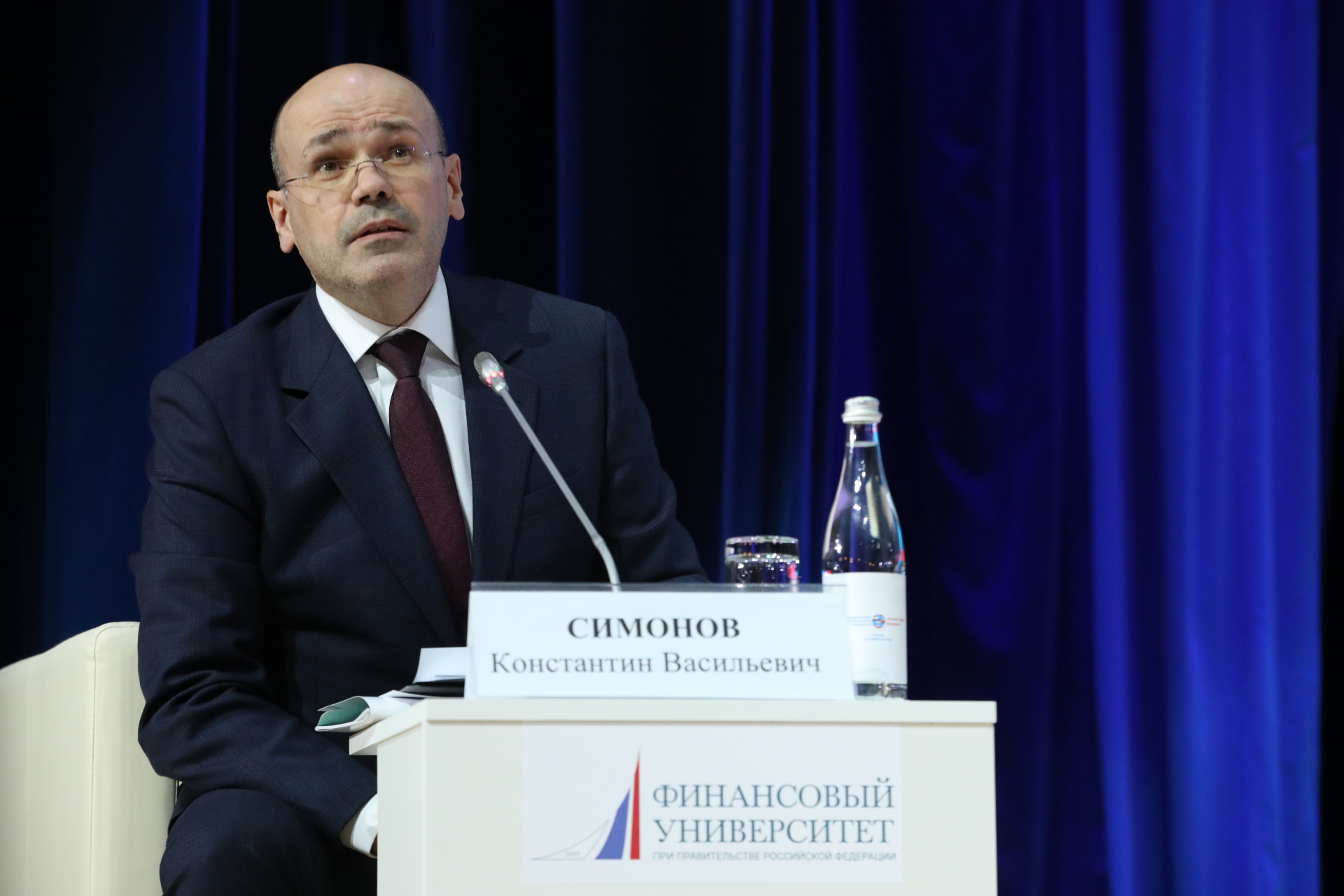
The plenary session was moderated by Konstantin Simonov, Head of the Department of Political Science at the Faculty of Social Sciences and Mass Communications of the Financial University.
During the session, the laureates of the traditional Financial University Award for Quality of Life were also recognized.
The first day of the Forum continued with specialized panel discussions focused on key aspects of modern economics and management. Experts discussed management innovations as drivers of increased efficiency and flexibility in government institutions, the transformation of the monetary system in the digital age, modern approaches to tax administration, and new contours of international relations in a multipolar world.