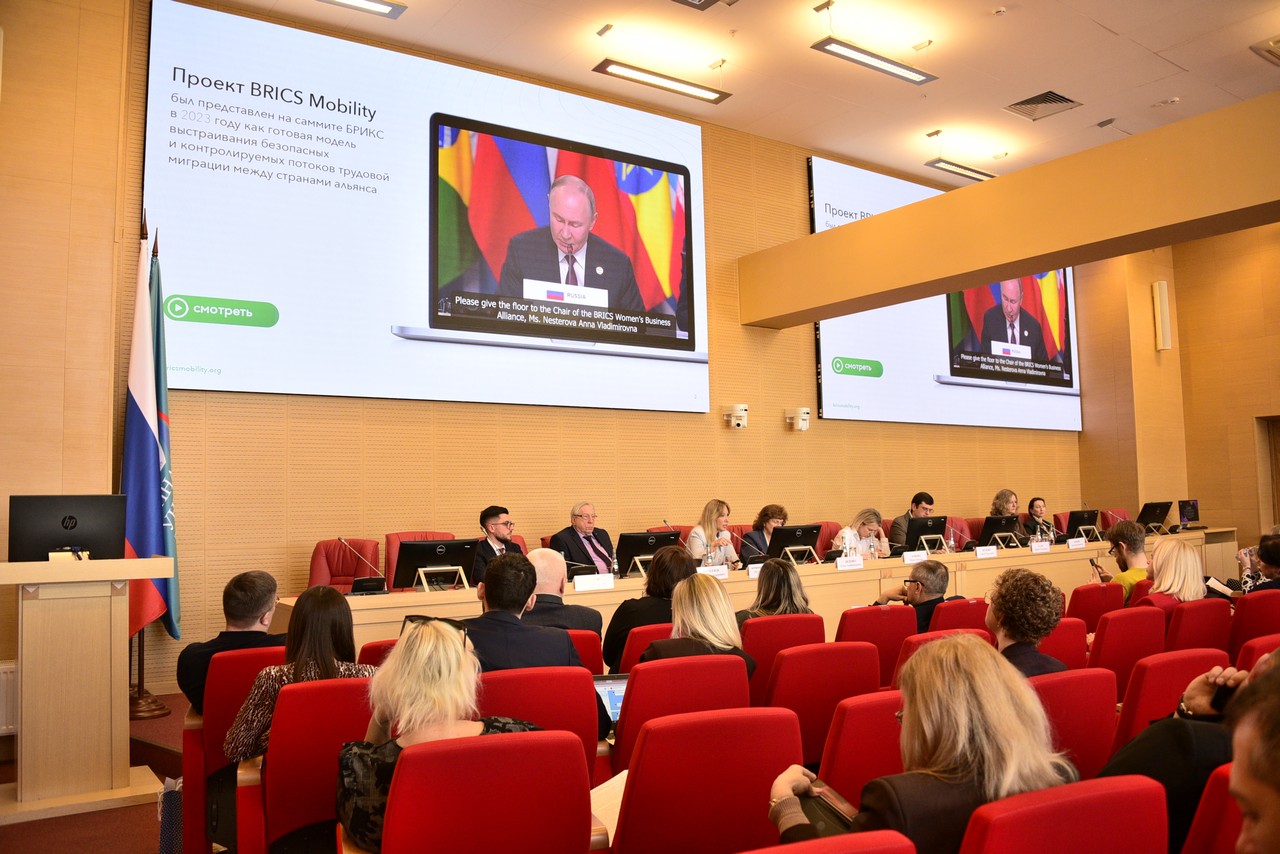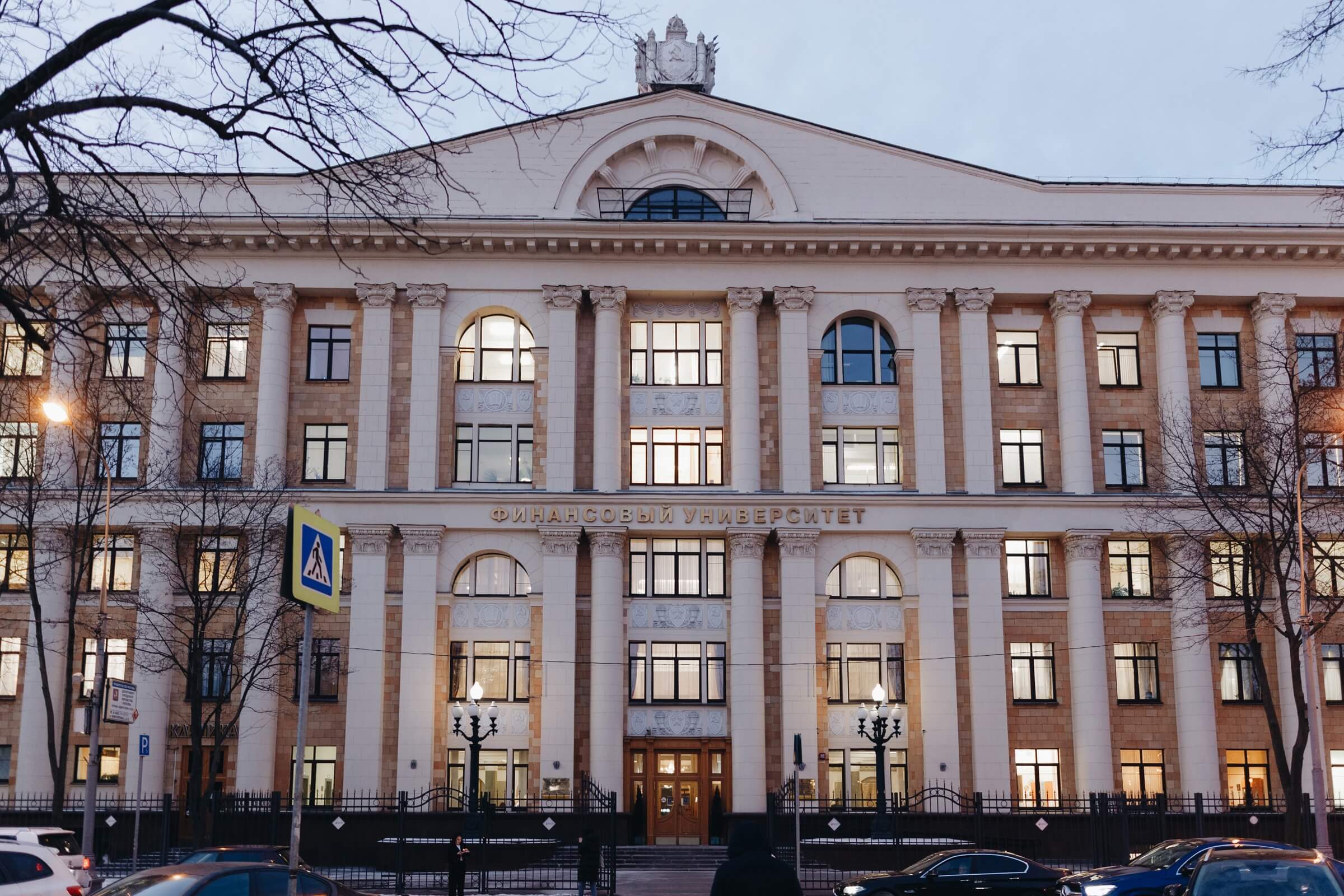
On March 12, 2026, the Financial University under the Government of the Russian Federation hosted an expert session titled “Business Adaptation to the Immigration Reform: A New Vector,” organized jointly with the All-Russian Public Organization for Small and Medium Enterprises, “OPORA RUSSIA.” The event brought together government officials, business representatives, experts, and academics to discuss key changes in migration policies and their impact on employers.
The main focus of the meeting was on the practical implementation of Russia’s national migration policy within the framework of the Concept for 2026–2030, approved by the President of Russia. Participants discussed regulatory changes aimed at testing new rules and conditions for foreign citizens’ work activities in Russia, through an organized recruitment process.
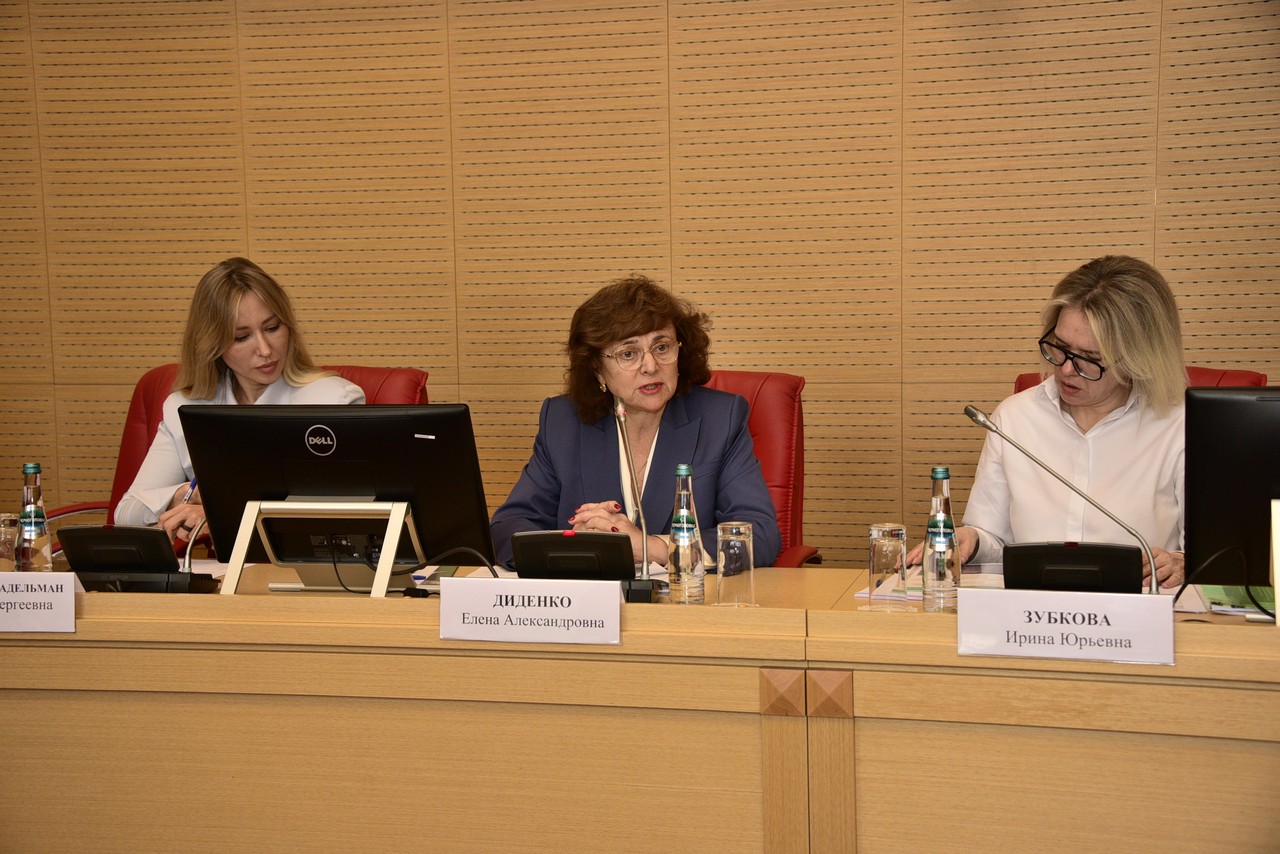
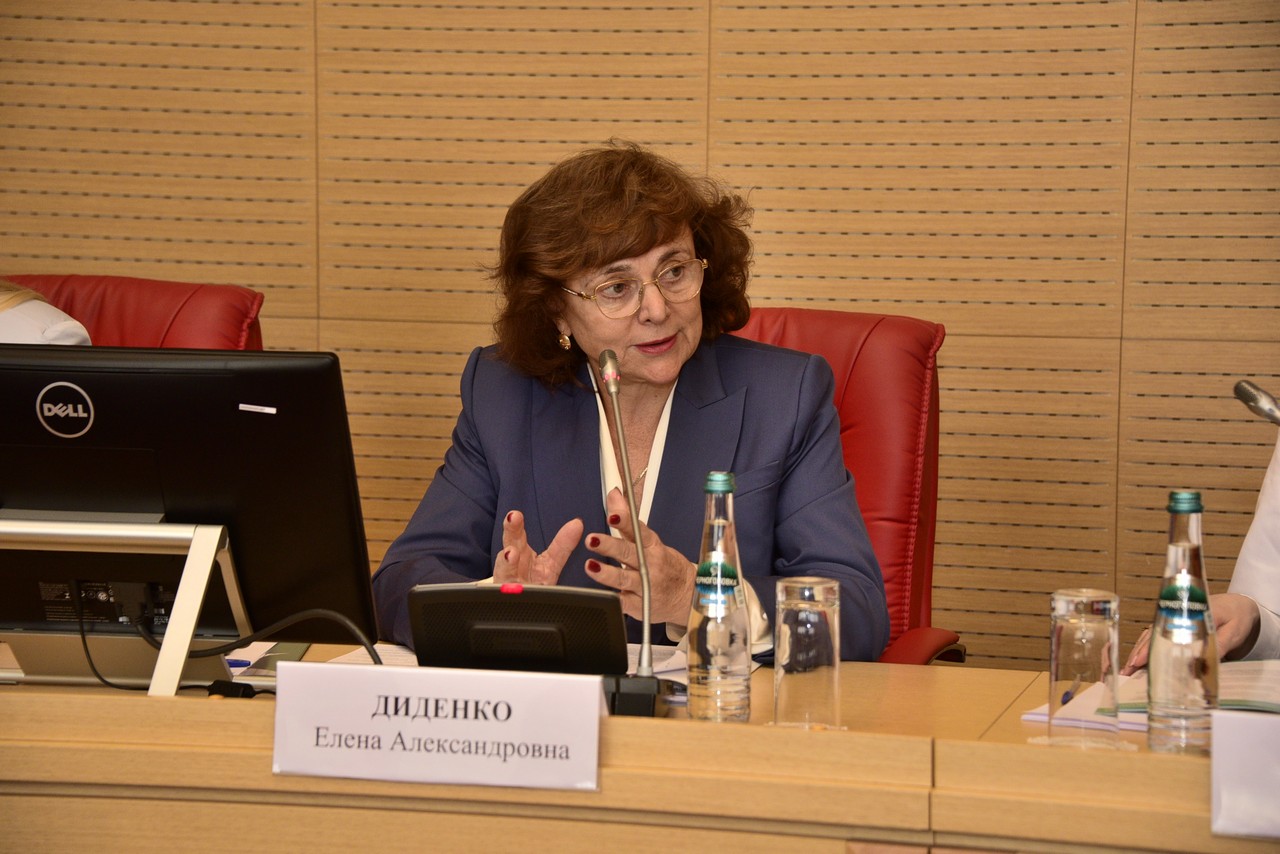
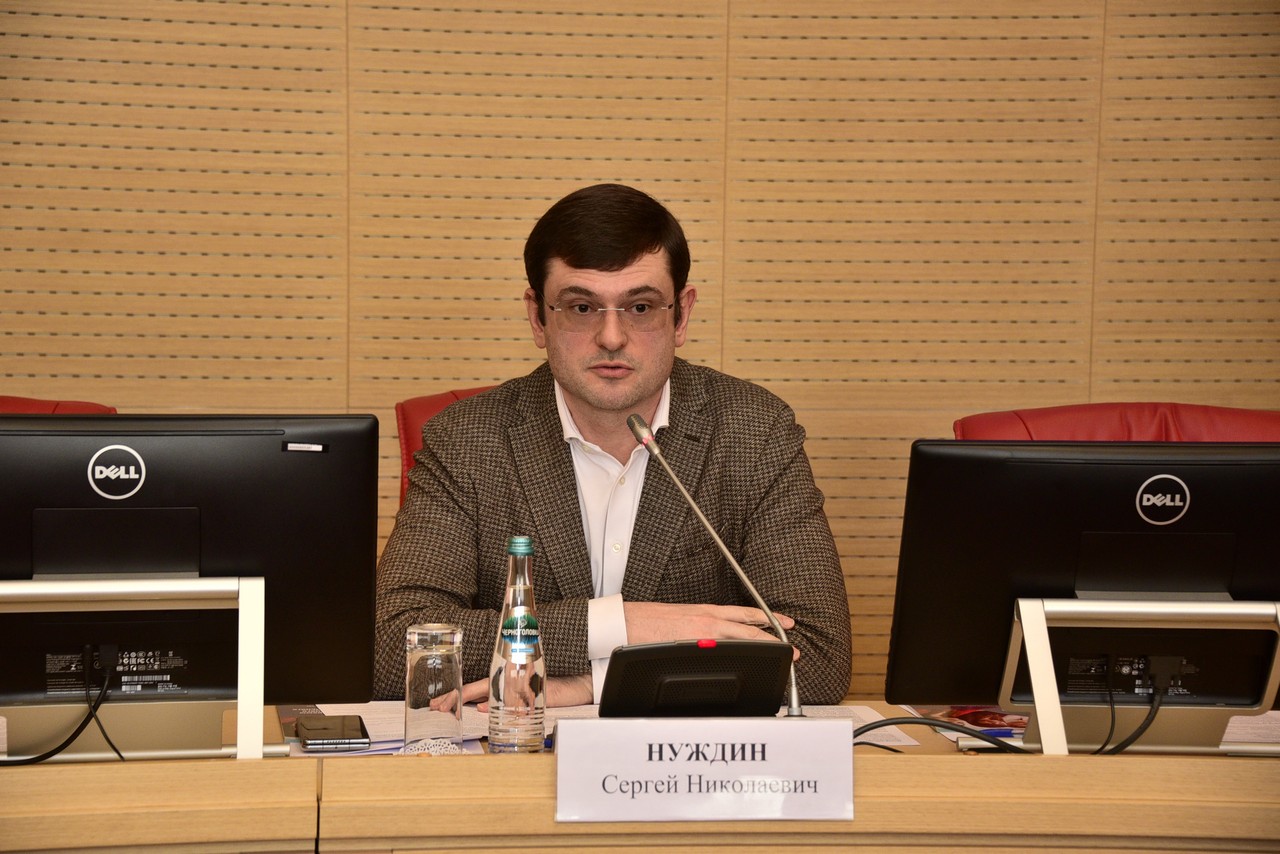
Elena A. Didenko, Vice-Rector for Continuing Professional Education at the Financial University, opened the event with welcoming remarks. She emphasized the importance of developing professional competencies among specialists working with foreign labor. Sergey N. Nuzhdin, a member of the Presidium of OPORA RUSSIA and Chairman of its Committee for the Development of the National Labor Market and the Monitoring of Migration Processes, shared insights into the key directions and goals of the upcoming reform.
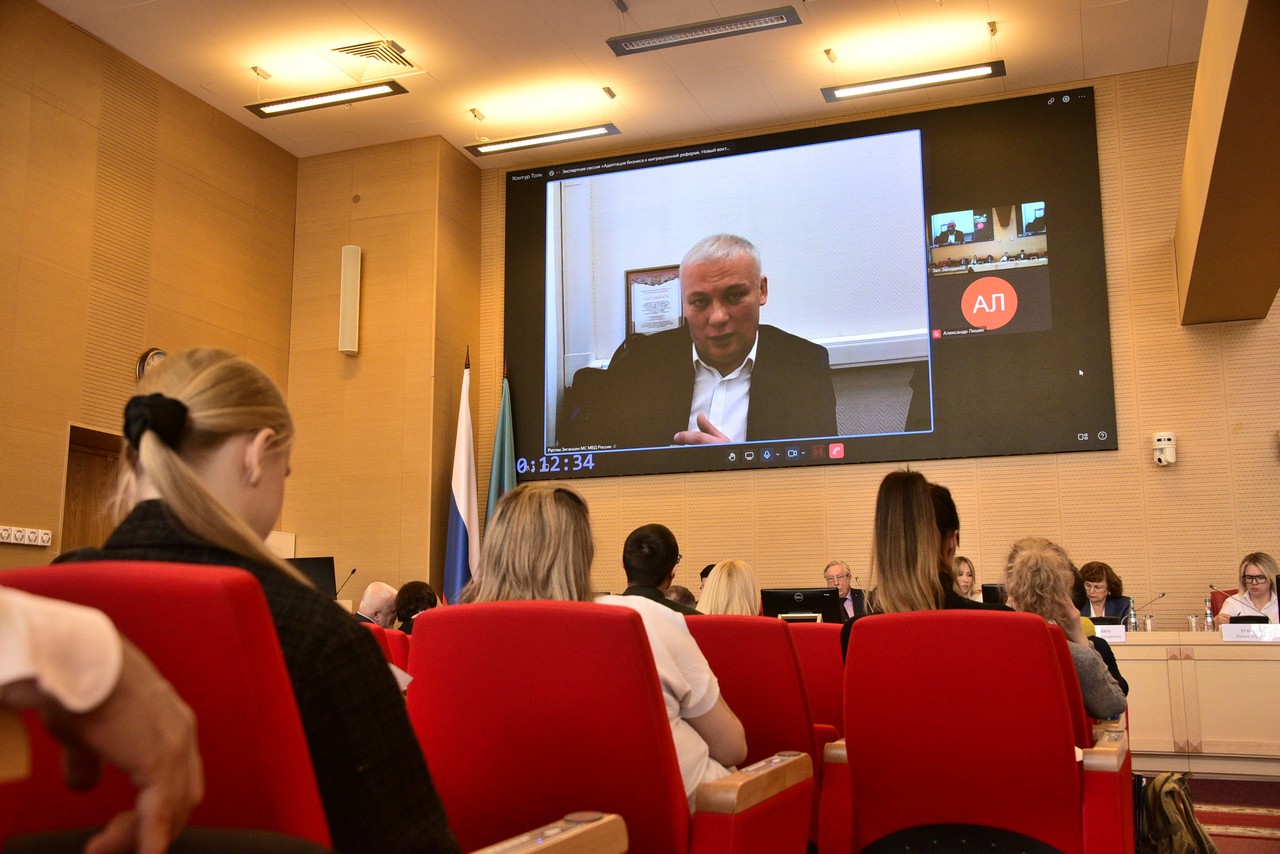
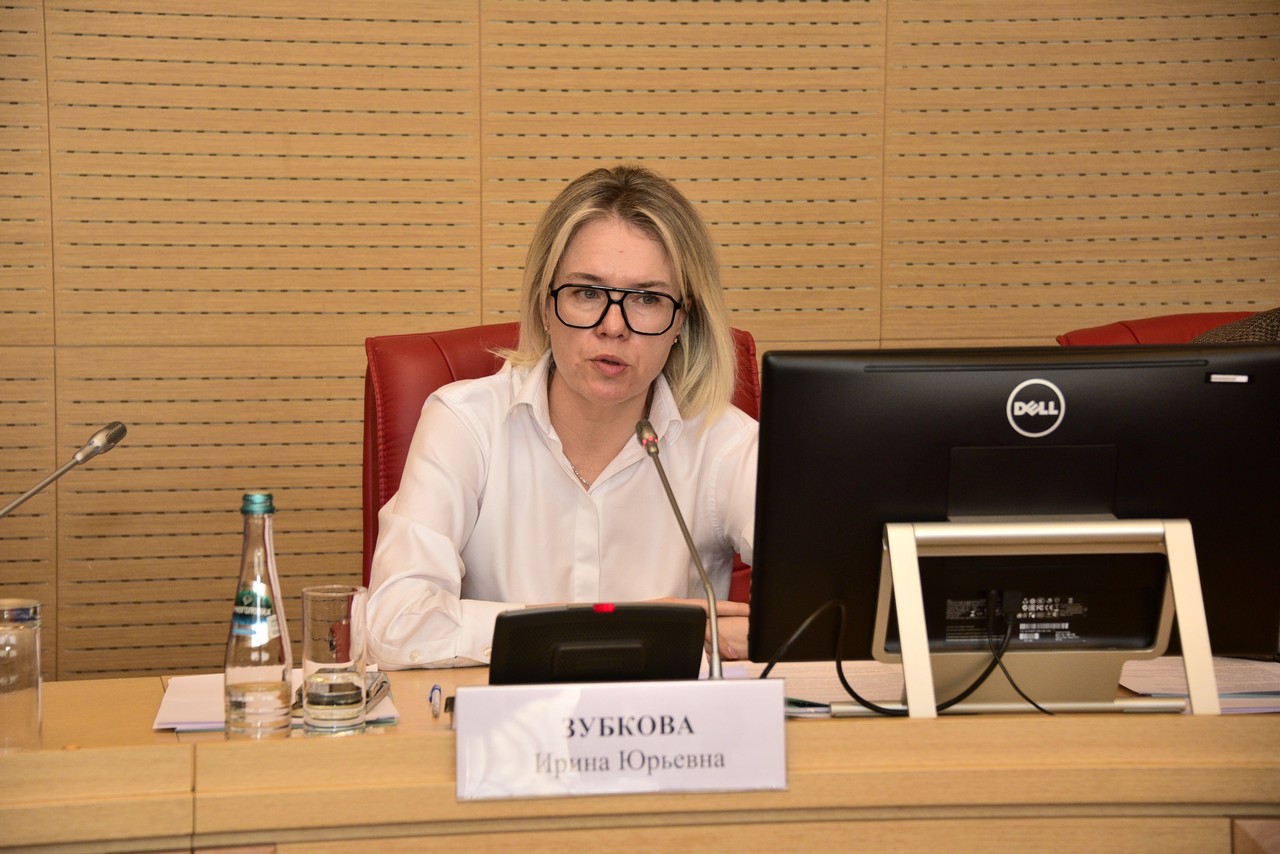
Representatives from the Russian Ministry of Internal Affairs’ Migration Service — Rustam R. Ziganshin, Deputy Head of the External Labor Migration Regulation Department, and Anna A. Saburova, Deputy Head of the Migration Control Department — presented the legal framework of the reform and new requirements for employers. Irina Yu. Zubkova, Deputy Head of the Federal Service for Labor and Employment, spoke about modern standards in supervisory activities and the rights of foreign workers.
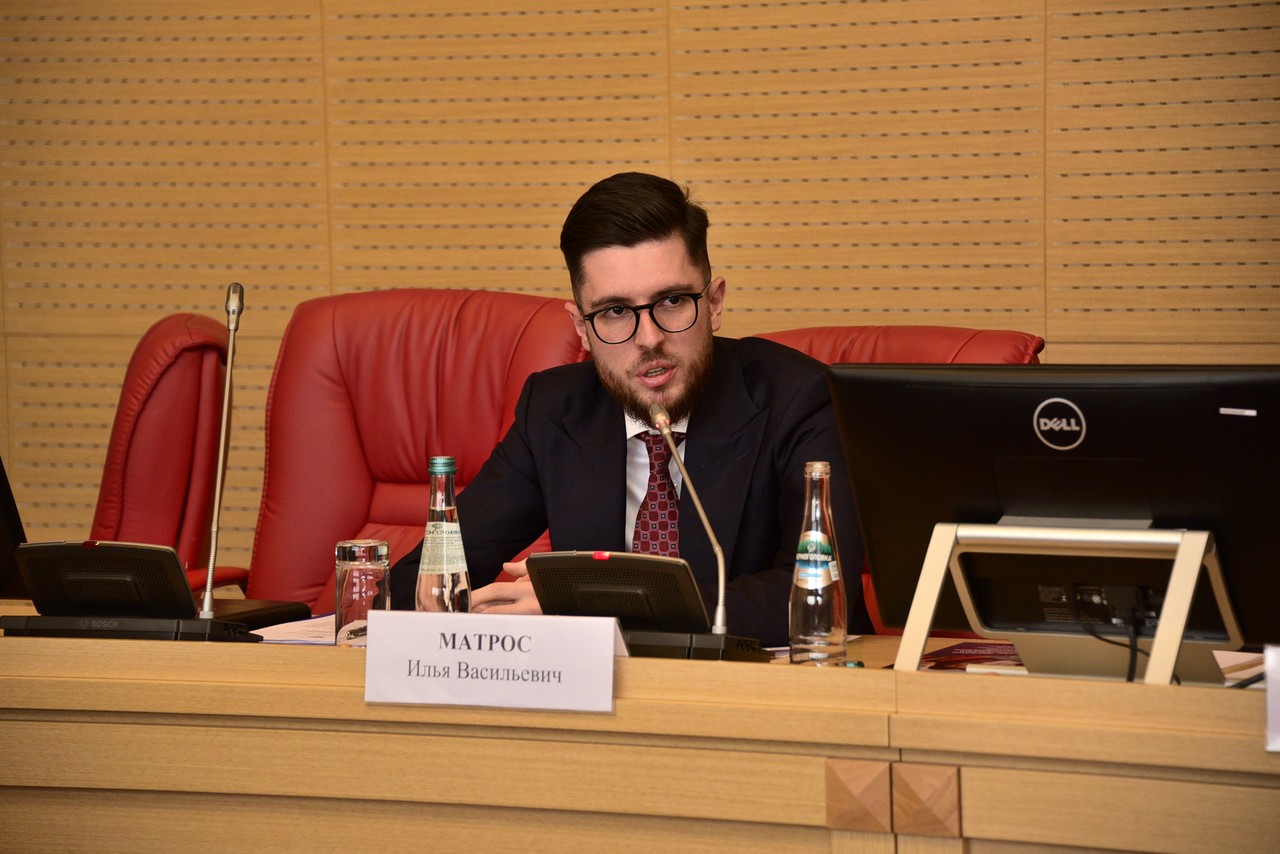
Ilya V. Matros, Director of the “Young Professionals” division in the Agency for Strategic Initiatives’ “Integration Development”, discussed issues related to the government’s policy on attracting foreign specialists and supporting the resettlement of foreigners into Russia, especially those of interest to the country.
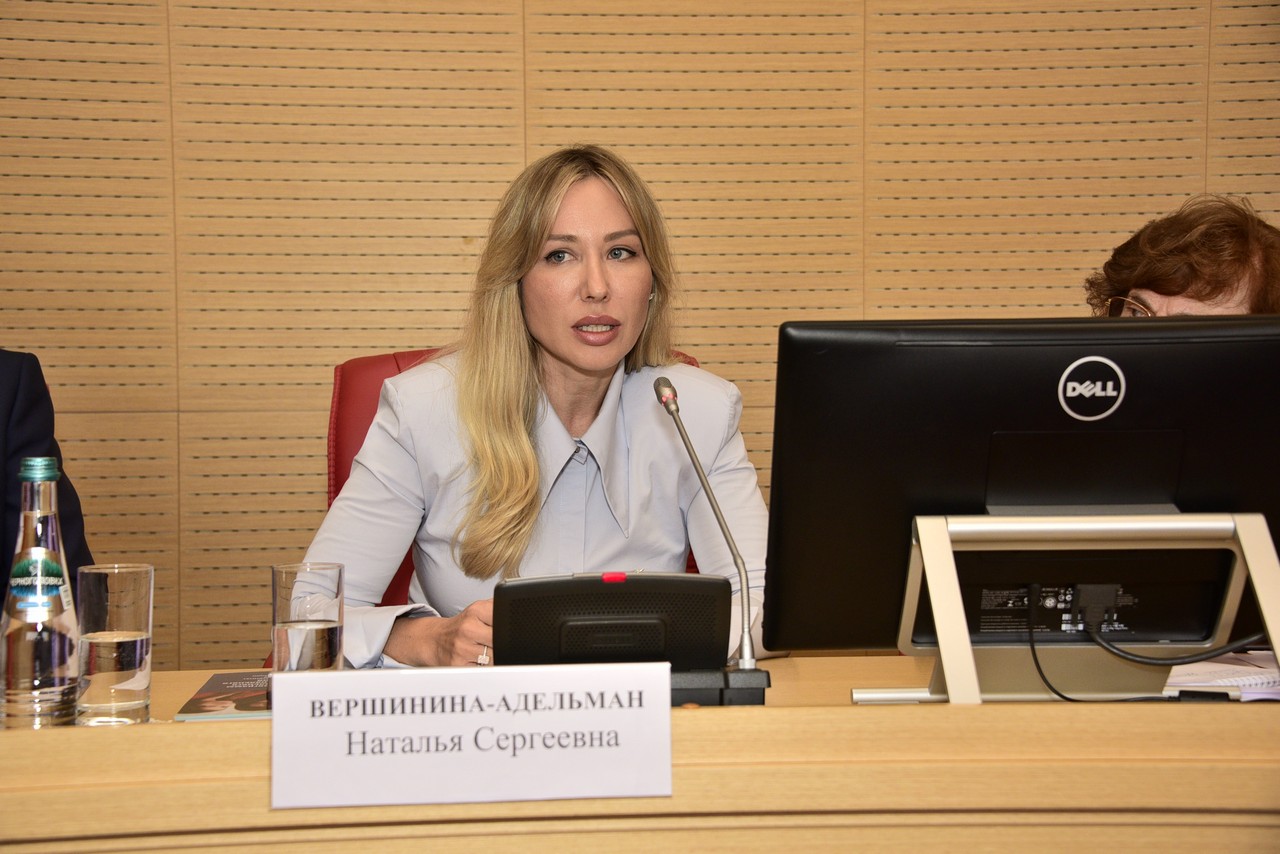
A separate discussion block was dedicated to the organized recruitment mechanism for foreign workers and prospects for international cooperation. Evgeny V. Griva, Deputy Trade Representative of Russia in India, talked about opportunities for collaboration in labor migration with India. Natalia S. Vershininina-Adelman, head of BRICS Mobility, showcased new pathways for attracting foreign specialists from visa countries as part of BRICS cooperation. Marina L. Galas, Doctor of Historical Sciences, associate professor at the Financial University, and expert at the Eurasian Economic Commission, shared international experience in regulating external labor migration.
Practical aspects of the organized recruitment mechanism were presented by Sofia E. Batura, First Deputy General Director of AO “Intrud.” The event also featured the presentation of the professional retraining program “Specialist in Foreign Workforce Attraction,” introduced by Andrey V. Kirillov, Deputy Vice-Rector for Continuing Professional Education at the Financial University.
Practical recommendations for employers were shared by Irina A. Kareva, Chair of the Legal Issues Committee on Migration of the Russian Lawyers Association. Industry case studies were presented by business representatives: Irina A. Kharitonenko, HR BP of the Operations Block at “Samolet,” who discussed a pilot project for recruiting foreign workers from India in the landscaping sector, and Anna V. Orlova, Chair of the Light Industry Committee of OPORA RUSSIA, who addressed the staffing shortage in the industry and how organized recruitment could help solve it.
The expert session served as a platform for open professional dialogue among government, business, and educational communities. Participants emphasized that upcoming changes to migration legislation require enhanced professional competencies for specialists working with foreign personnel, as well as the development of educational programs to help businesses effectively adapt to the new regulatory environment.