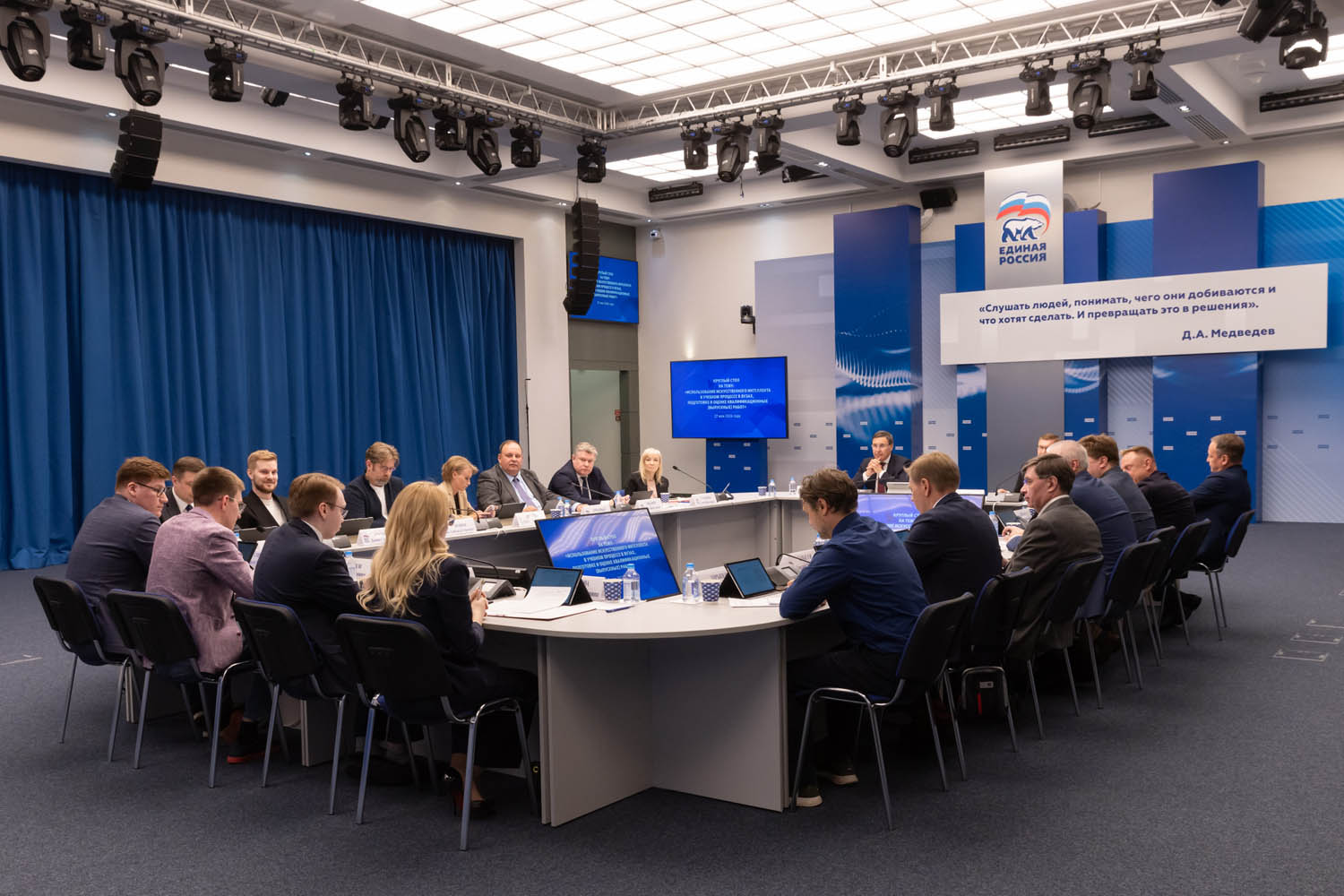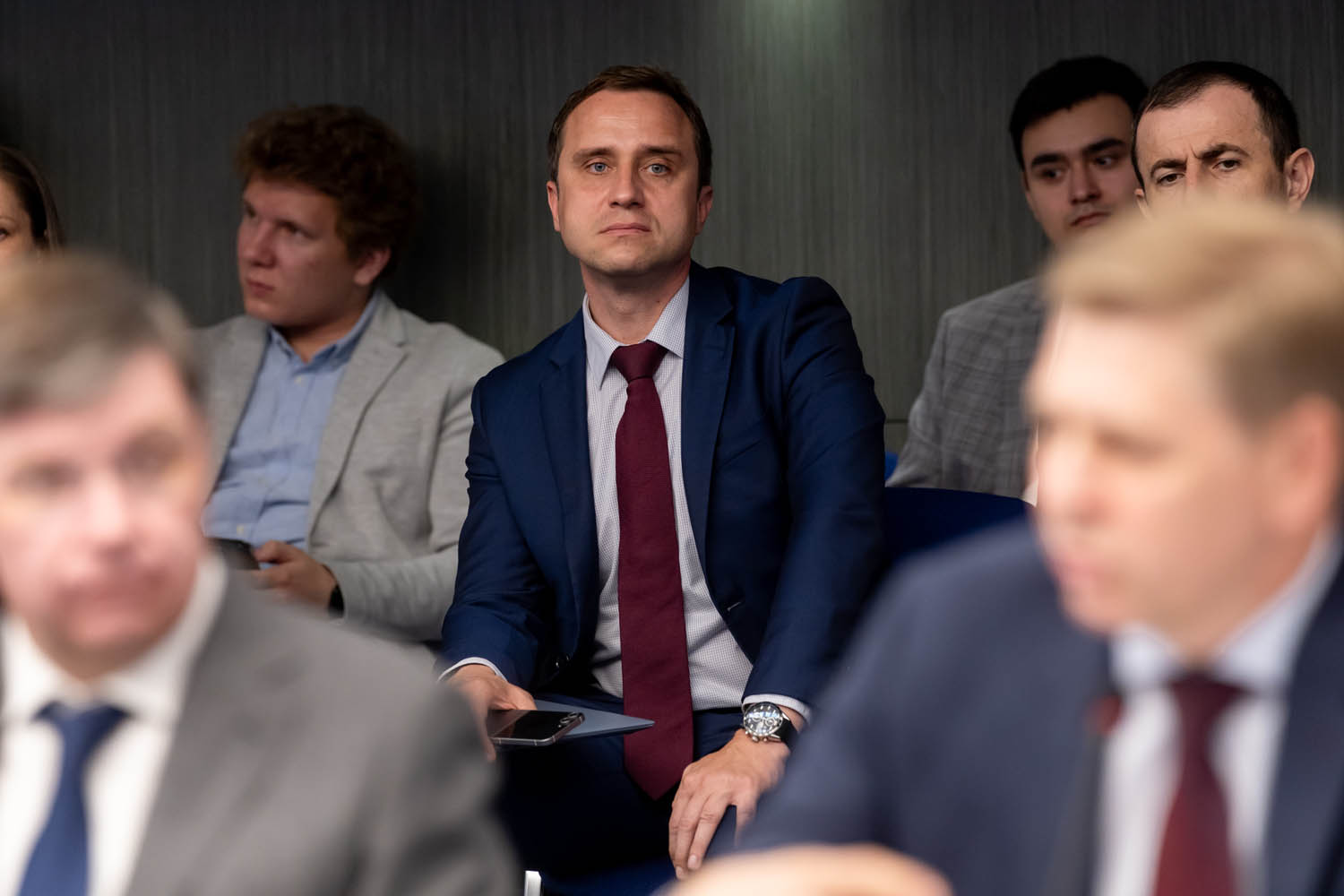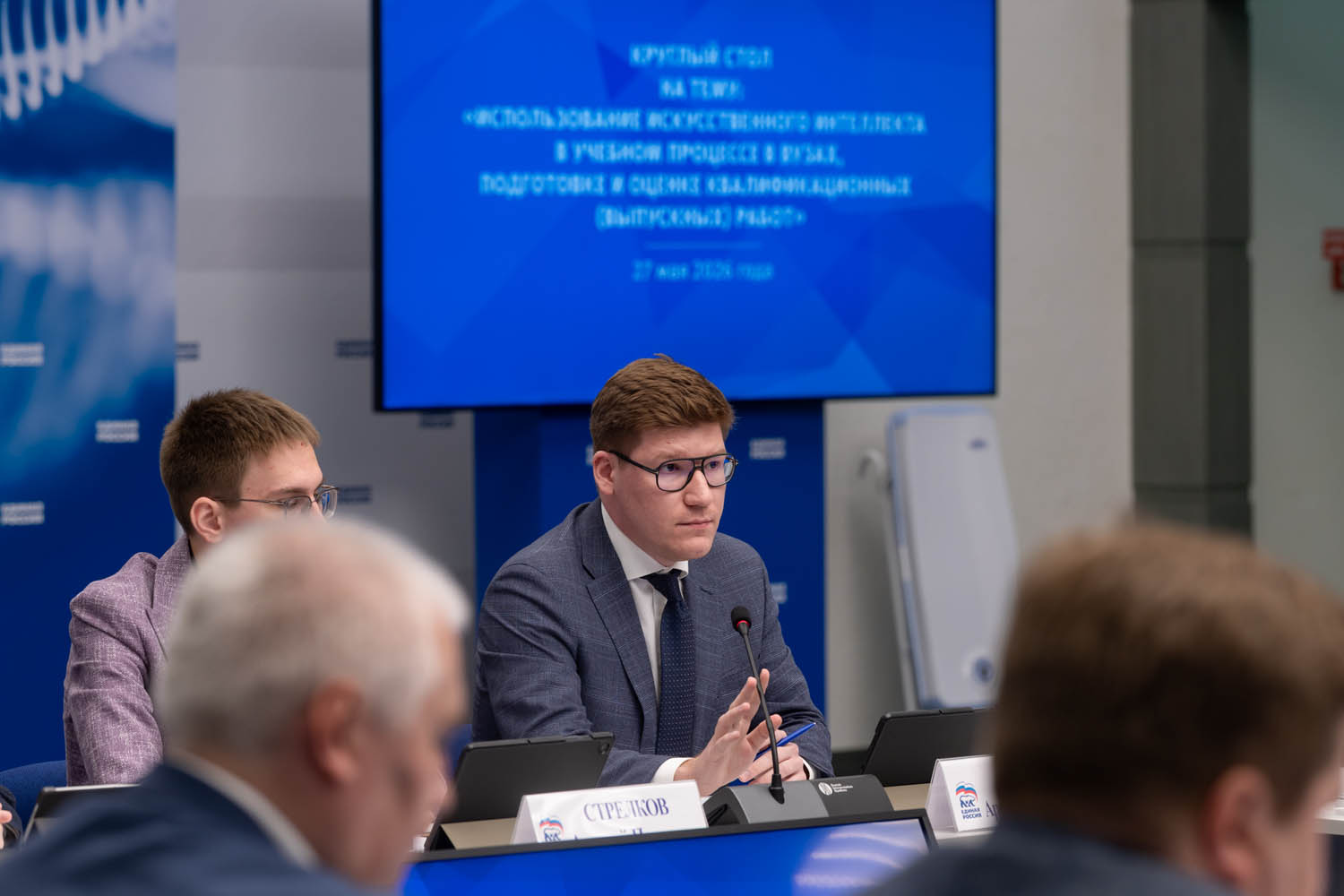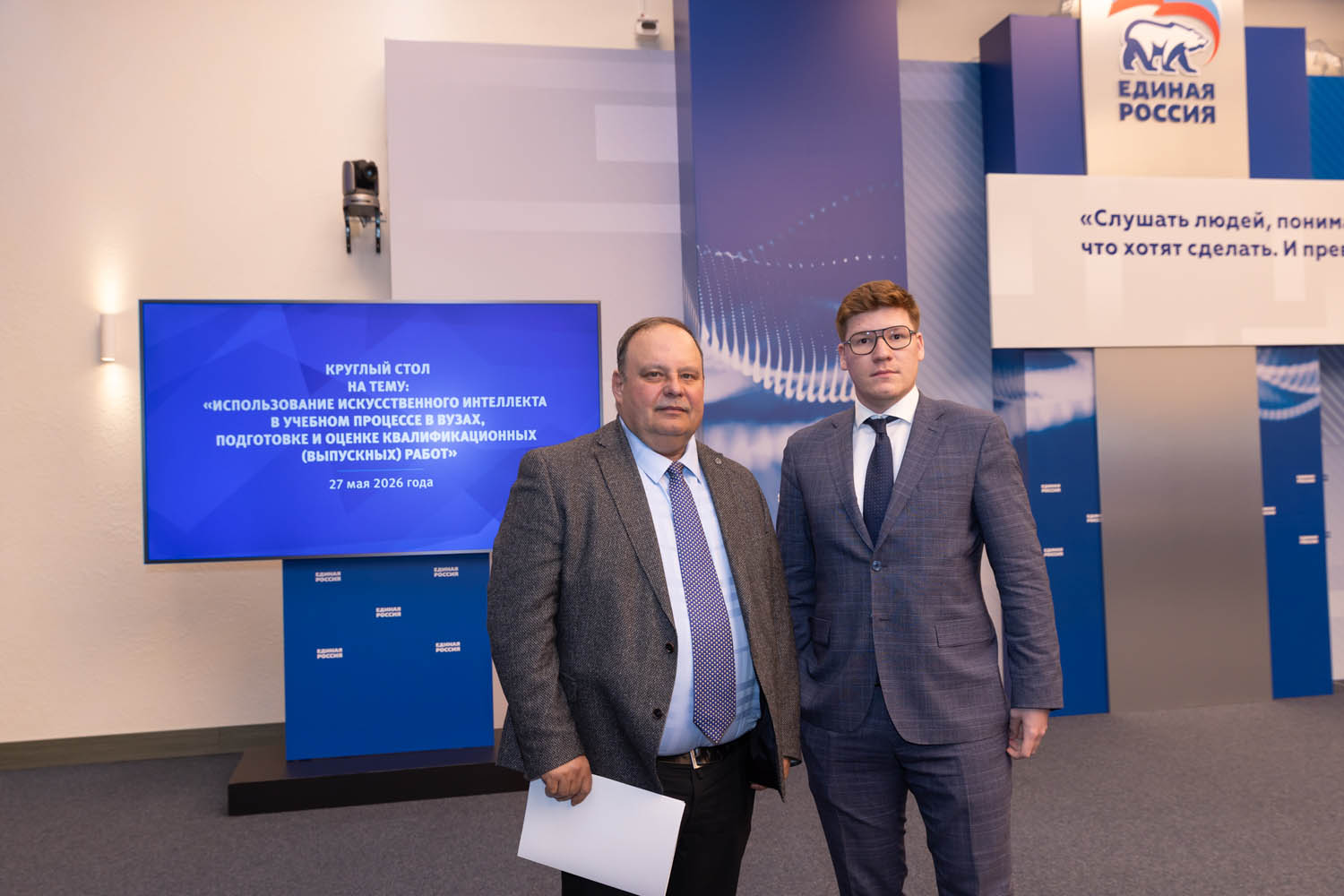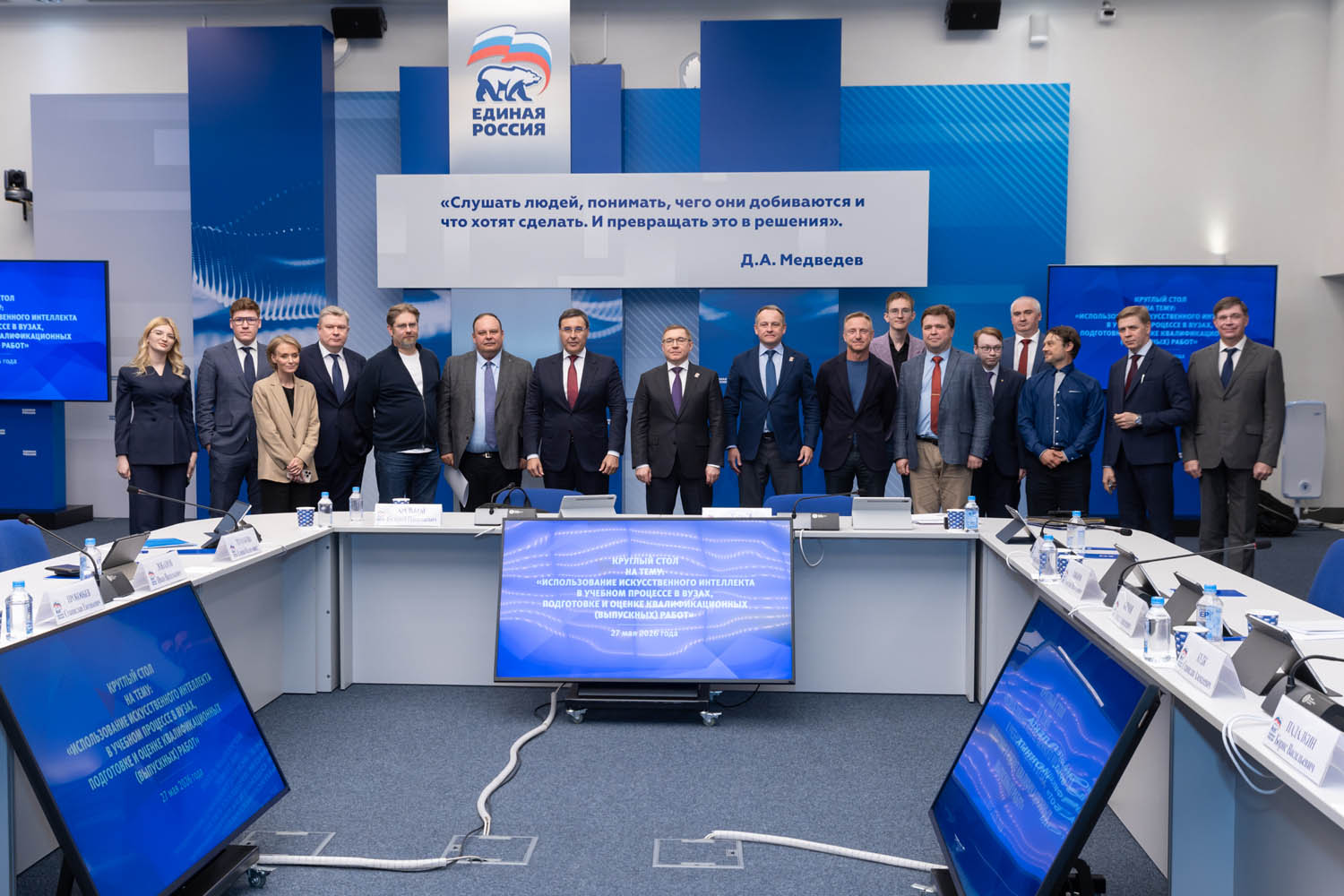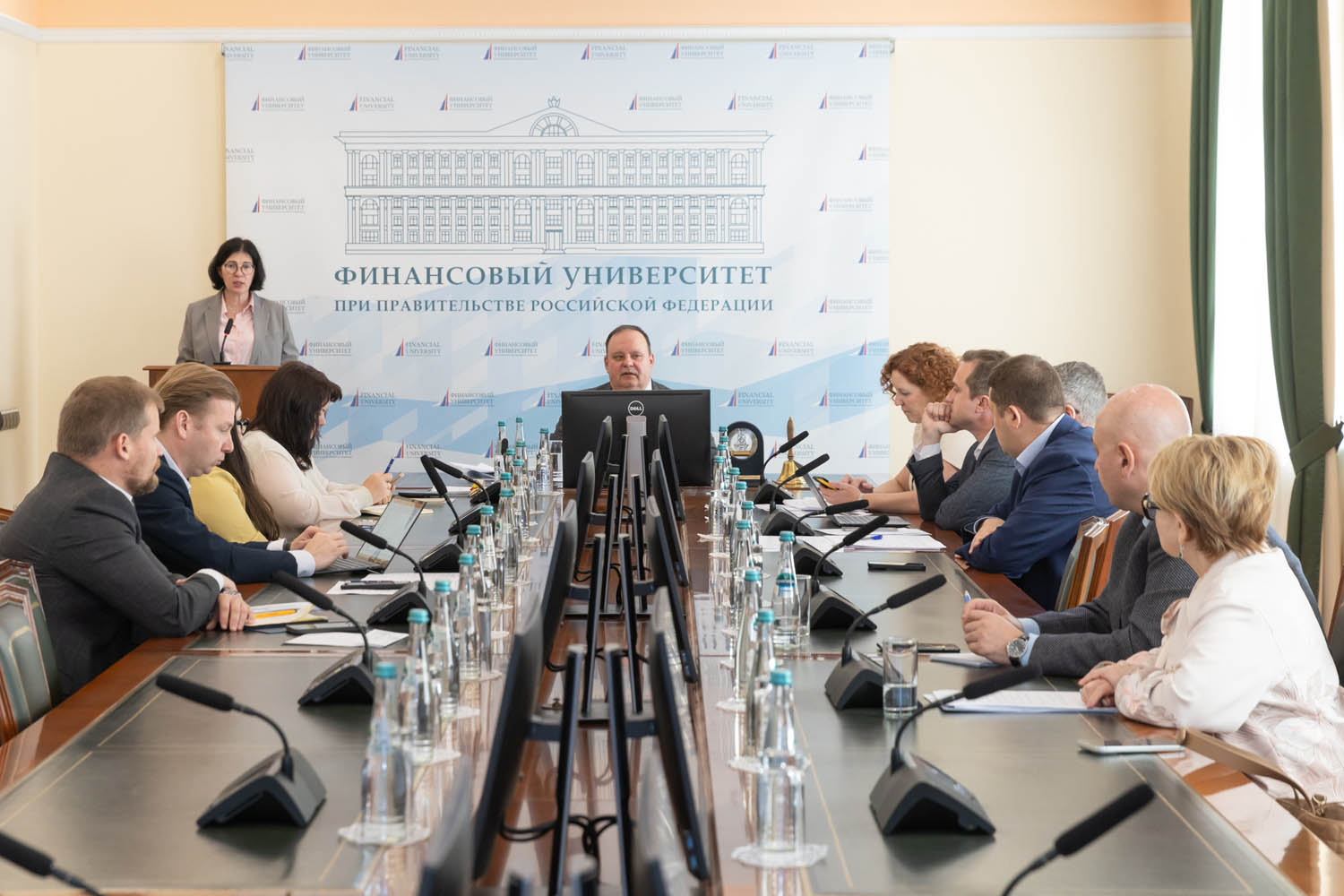
On May 27, 2026, a roundtable discussion titled "The Use of Artificial Intelligence in Higher Education: Teaching, Thesis Preparation, and Assessment" took place in Moscow. The event brought together rectors of leading universities and representatives of the academic community.
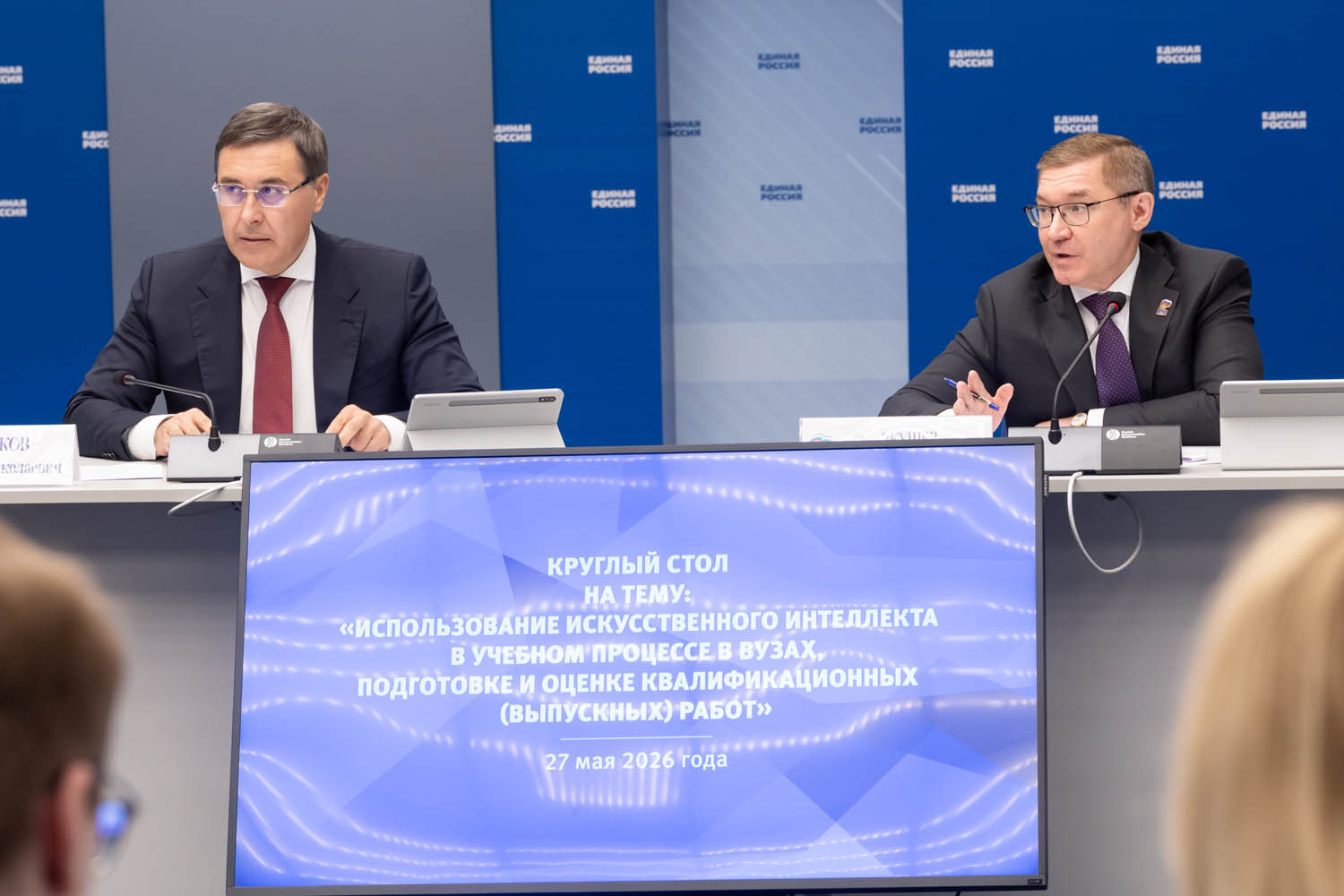
Opening the event, Vladimir Yakushev, First Deputy Chairman of the Federation Council of the Federal Assembly of the Russian Federation and Secretary of the General Council of United Russia party, emphasized: "We fully understand that artificial intelligence is a reality we have to live with." He added that following the discussion, it is crucial to outline an action plan for 2026, as the season for student thesis defenses is just beginning.
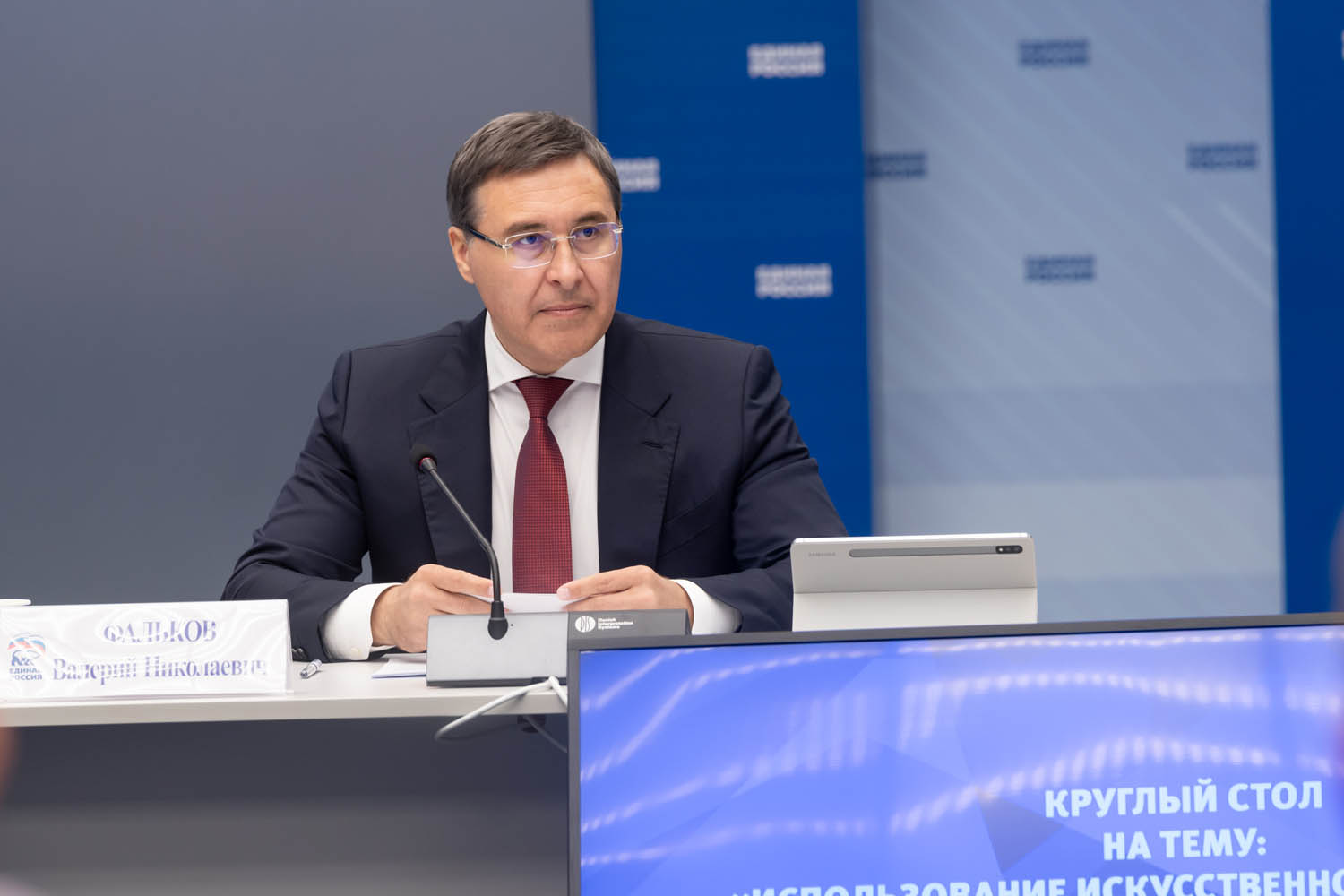
"According to a recently published study analyzing nearly 13,000 theses from 2013 to 2026, the dynamics of AI usage are compelling, and in some ways, even alarming. The proportion of neural network-generated text in graduation theses has increased, and in recent years, this growth has been exponential," noted Valery Falkov, Minister of Science and Higher Education of the Russian Federation.
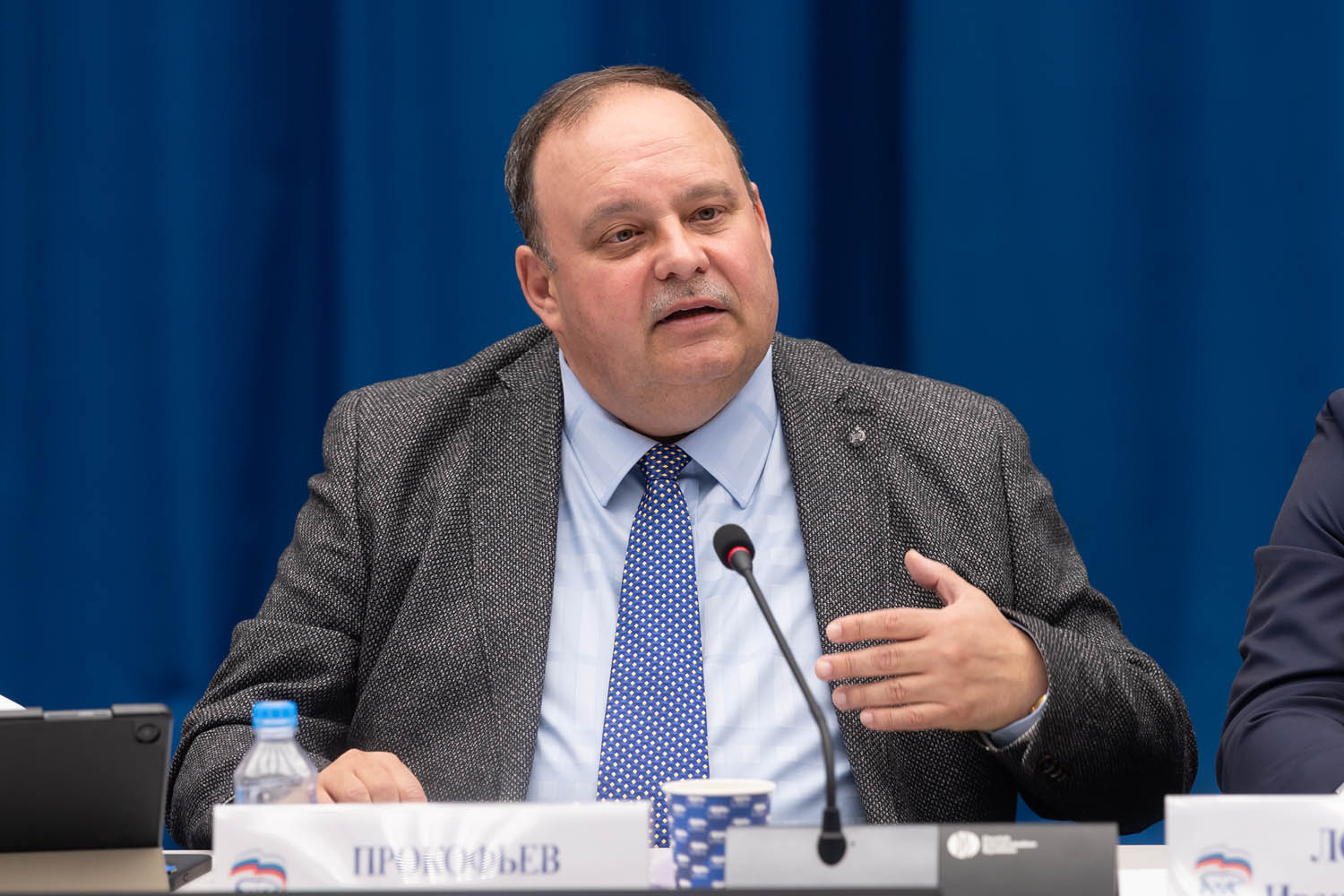
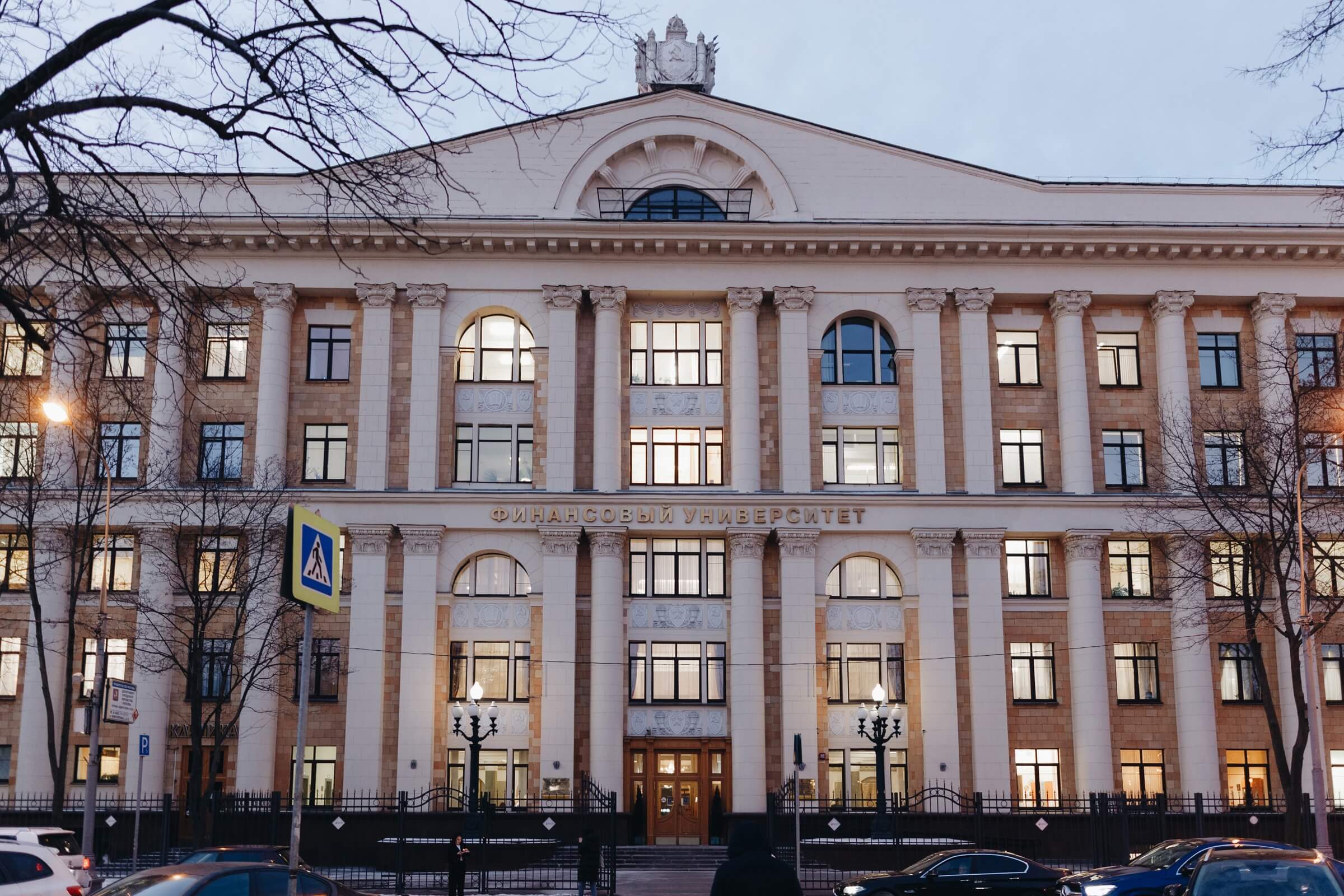
Stanislav Prokofiev, Rector of the Financial University, highlighted in his speech: "The Financial University views the development of artificial intelligence as a necessity that requires a thoughtful approach to its application, regulation, and oversight. We believe a prohibitive approach in this area is misguided. According to surveys, over 80% of students at leading Russian universities already use neural networks systematically in their studies."
The Financial University has approved guidelines for the use of AI in preparing final qualifying works. The use of generative AI systems is permitted provided that students specify exactly where AI was used and submit their original prompts. In doing so, the university is fostering an environment of trust in AI use, operating on the principle that the core intellectual substance of the work must be produced by the student, not a machine.
Stanislav Prokofiev also outlined key priorities regarding the use of AI technologies in higher education. These include introducing new formats for student research, specifically defending theses under the "Startup as a Thesis" program. Another priority, the Rector noted, is training faculty in AI capabilities. In 2025 alone, the Financial University trained 1,414 faculty members.
The student community of the Financial University was represented at the roundtable by Artem Sivodedov, a first-year Master's student at the university's Faculty of Finance. "Artificial intelligence has become an integral part of the educational process. It is a tool that saves time on preparation by handling routine tasks—from formatting citations to creating presentations. However, balance is essential: we encounter inaccuracies and unreliable information generated by AI. The most important thing is building a climate of trust between the student and the professor: rather than restricting it, we should integrate AI into the educational process," Artem noted.
Concluding the discussion, Valery Falkov outlined the Ministry's future direction: plans include updating the Federal State Educational Standards, specifically by adding modules on working with artificial intelligence. The approach to assessment materials and mid-term assessment will also be revised.