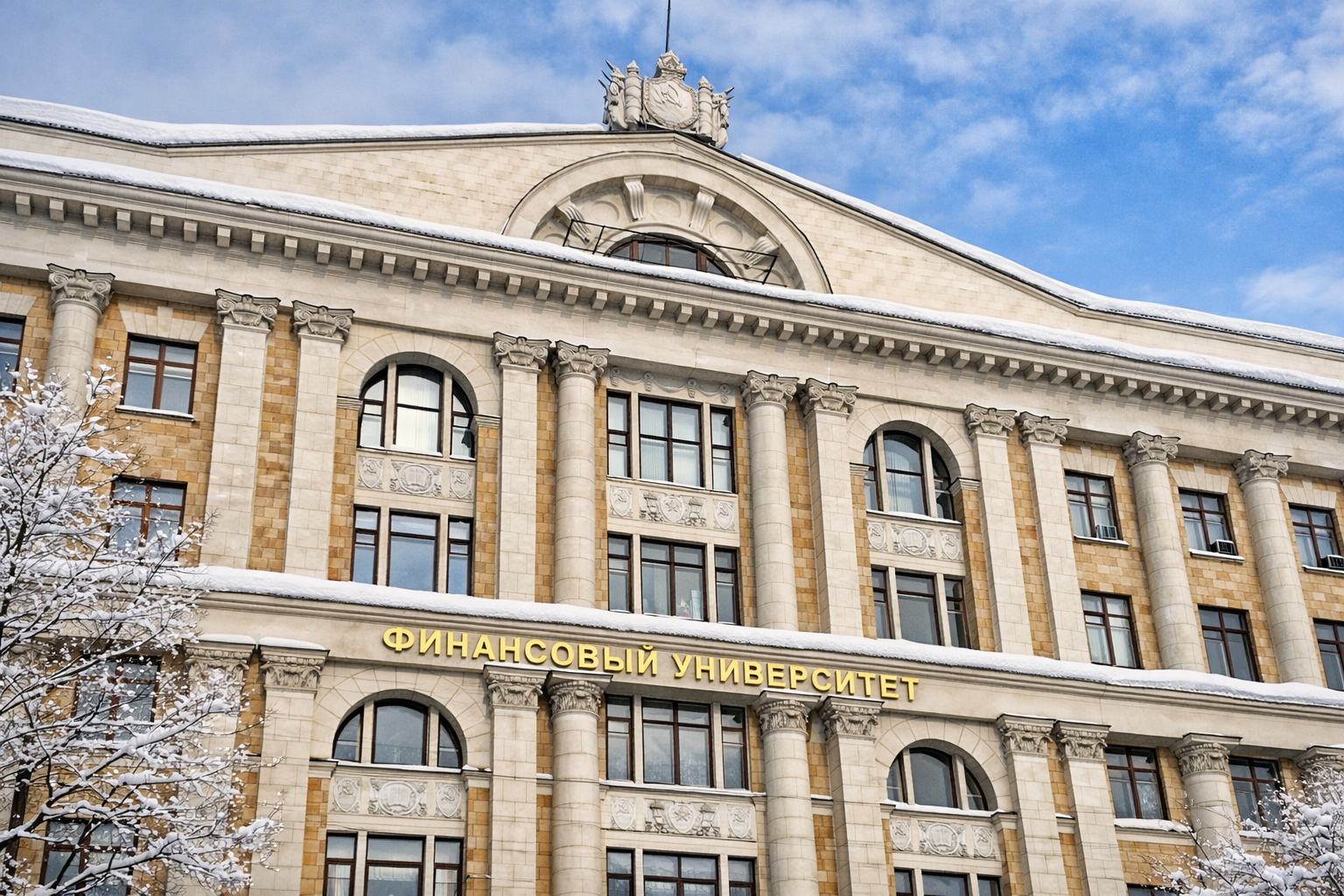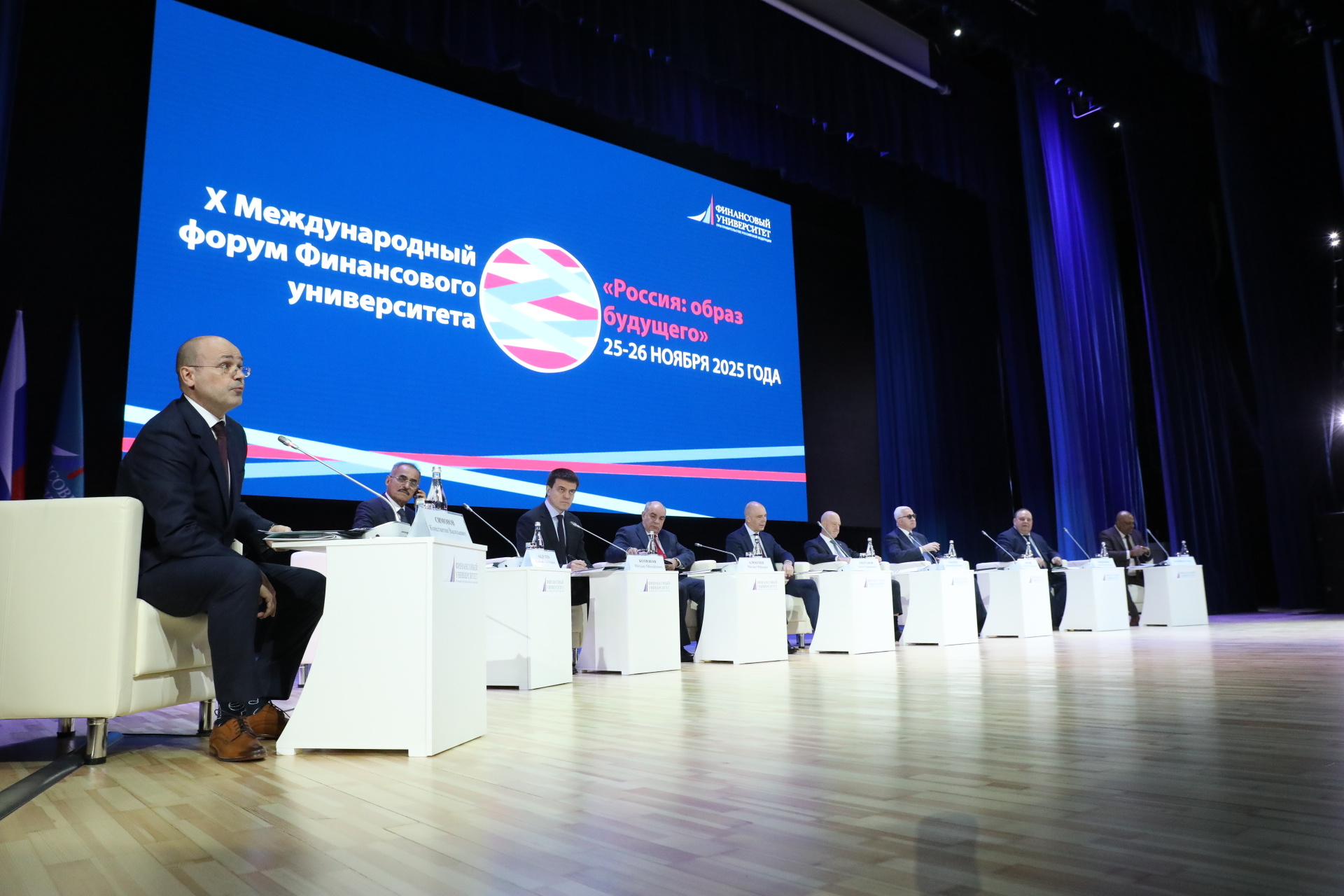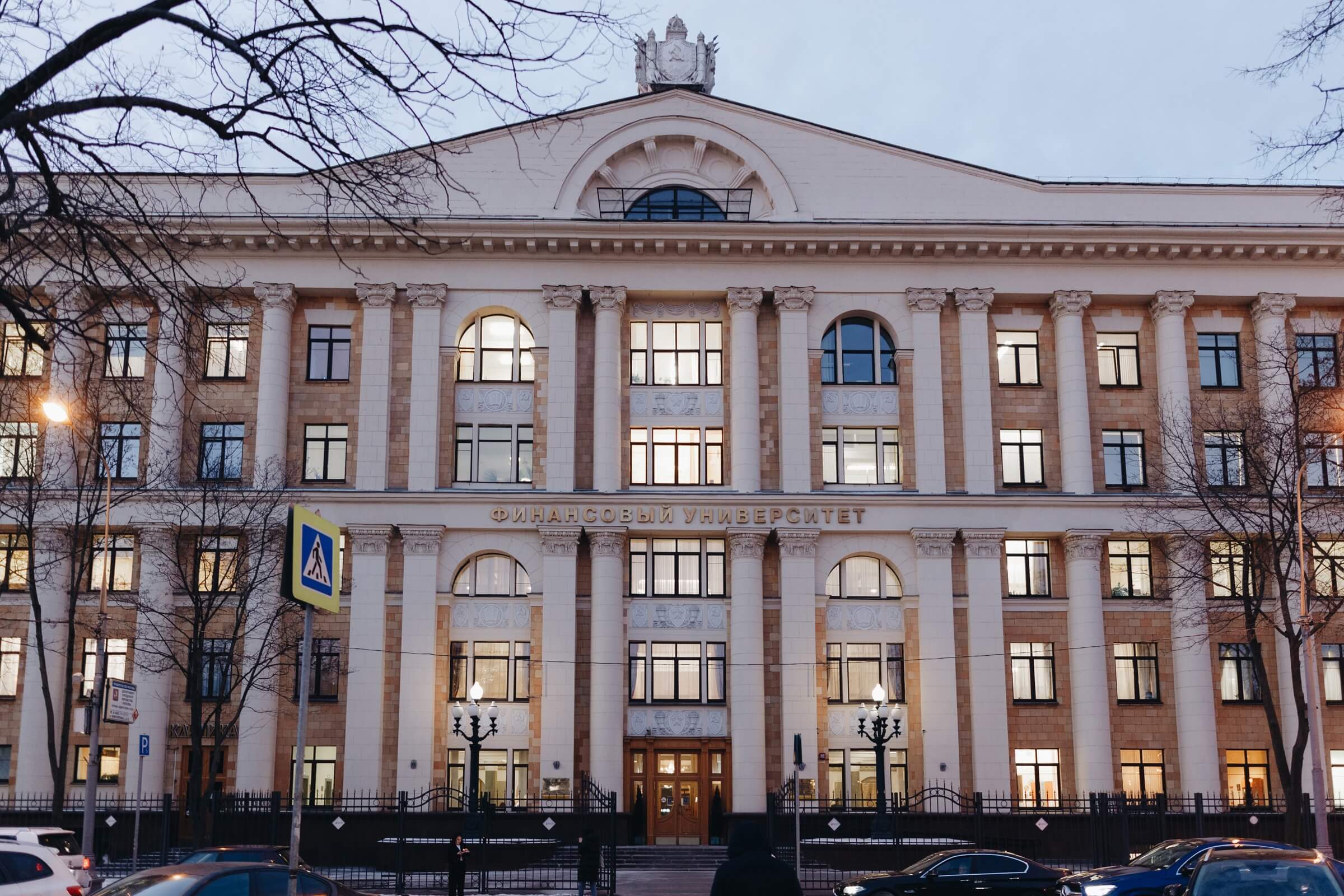
From January 26 to 28, 2026, the VI International Scientific and Practical Conference “Language of Distancing. Language in the Context of 21st Century Multimodal Communication” will take place. The event is organized by the Department of Foreign Languages and Intercultural Communication of the Faculty of International Economic Relations at the Financial University under the Government of the Russian Federation, in cooperation with the Philological Faculty at Lomonosov Moscow State University, the Faculty of Foreign Languages at Saint Petersburg State University, the Patrice Lumumba Peoples’ Friendship University of Russia, the Belarusian State University of Foreign Languages (Republic of Belarus), the Institute of Oriental Studies of the Russian Academy of Sciences, the Alliance University (Bangalore, India), and the Russian Society of Teachers of Russian Language and Literature (ROPRYAL).
The conference continues the traditions of classical philology and linguistics and aims to demonstrate that language cannot be understood in isolation from cultural and historical contexts. Today, special attention is given to the functioning of language in the digital environment, where communication becomes multimodal—combining words, images, gestures, sounds, and digital elements. The phenomenon of remote interaction, which has firmly entered everyday life, is also a key focus: it has given rise to new speech genres, altered norms of speech etiquette, and transformed traditional ways of communication.
Discussions will center around language and visual semiotics, modern digital discourse forms, intercultural interaction in the global online space, and the challenges of digitalization in linguistics: from preserving cultural diversity to utilizing corpora, neural networks, and automatic translation.
The conference will serve as a platform for discussing how language is changing under the influence of the digital environment and what new communication forms are emerging in the 21st century.
The main objectives of the conference are:
To bring together researchers and practitioners to explore contemporary communication forms within the digital environment.
To demonstrate the interconnectedness of language, culture, and history.
To analyze the phenomena of multimodality and remote interaction, and their impact on speech practices, norms, and strategies in the 21st century.
Key discussion topics include:
Language in the digital age: multimodal communication forms
Language and visual semiotics (infographics, data visualization)
Modern verbal and non-verbal digital discourse: audiovisual and performative formats (podcasts, vlogs, streams)
Intercultural features of multimodal communication and digital environment’s influence on linguistic identity
Intercultural communication in the global online space
Globalization and cultural diversity: representation of national and regional cultures online
The modern “lingua franca”: creolization of international languages and the role of constructed languages in intercultural communication
Intercultural dialogue in social networks and messengers, transformation of traditions under digital globalization
Digitalization in contemporary linguistics
Impact of the digital environment on language and speech practices, threats to endangered and minority languages
Digital linguistics as a new scientific field: corpus studies in the era of big data, automated text analysis tools, machine learning, neural networks, and natural language processing methods
Language barriers and the role of automatic translation: transforming the profession of the translator in the 21st century, adaptation and post-editing of machine translation
Participation in the Conference
Working languages: Russian and English
The conference will be held in a hybrid format, and participation is free of charge.
Additional information can be found on the conference webpage.